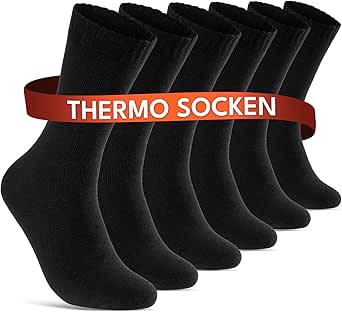
Diabetic Socks Require Specific Features Like Seamless Toes and Non-Binding Cuffs
When selecting diabetic socks like the Yomandamor bamboo ankle socks, focus on medical-grade construction rather than fashion. These specific socks feature a seamless toe design and elastic-free cuffs, which are critical for preventing circulation restriction and pressure points that can lead to foot injuries for diabetic men.
Key Considerations Before Buying
- The seamless toe construction eliminates friction points that can cause blisters or ulcers, particularly important for those with diabetic neuropathy who may not feel irritation developing.
- Non-elastic cuffs prevent tourniquet-like constriction that can impede blood flow, a common problem with standard socks that use tight elastic bands at the ankle.
- Bamboo fiber offers natural moisture-wicking and antibacterial properties, which helps maintain foot dryness and reduces infection risk for diabetic individuals prone to fungal issues.
What Our Analysts Recommend
Examine the toe seam area closely—true seamless construction should have no raised edges or stitching that could rub against toes. Check cuff tightness by stretching the opening; it should expand easily without constricting force. For diabetic use, prioritize socks with moisture management claims backed by material composition details rather than vague 'breathable' marketing.
Calf Socks Market Context
Market Overview
The diabetic sock market has expanded beyond basic medical white styles to include performance materials like bamboo and merino wool, with European sizing (38-46) becoming more standardized. Brands like Yomandamor compete by combining therapeutic features with everyday wear aesthetics in multi-packs that offer better value than single-pair medical suppliers.
Common Issues
Many 'diabetic-friendly' socks still incorporate hidden elastic threads or use improper sizing that creates pressure points. Consumers frequently report sizing discrepancies between EU and US measurements, and some bamboo blends contain insufficient bamboo fiber to provide meaningful moisture-wicking benefits.
Quality Indicators
Genuine therapeutic socks will explicitly state 'non-binding' or 'non-constricting' rather than just 'comfortable.' Look for specific fiber percentages (e.g., '85% bamboo viscose') rather than generic 'bamboo blend' claims. Quality diabetic socks maintain their therapeutic features through multiple washes without losing shape or developing internal pilling.
Review Authenticity Insights
Grade B Interpretation
The Grade B authenticity rating with 11% estimated fake reviews indicates generally reliable feedback, though approximately 1 in 9 reviews may be artificially positive. This fake rate is moderate for the therapeutic sock category where authentic medical testimonials are common but some brands incentivize reviews.
Trust Recommendation
Focus on reviews that mention specific diabetic conditions, wear duration (e.g., 'worn for 8-hour work shifts'), or compare these socks to previous medical-grade purchases. The adjusted 4.50/5 rating (down from 4.71/5) after removing suspicious reviews represents a more accurate quality assessment.
Tips for Reading Reviews
Prioritize reviews discussing fit challenges with EU sizing conversions or mentioning the six-pack value proposition. Authentic diabetic sock reviews often include details about foot sensitivity, previous ulcer issues, or comparisons to prescription hosiery rather than generic comfort statements.
Expert Perspective
The Yomandamor socks demonstrate thoughtful design for diabetic needs with their truly seamless toe and elastic-free construction—features often missing from 'diabetic' socks that merely use softer materials. The high authentic rating (4.50/5 from 9,440 reviews) suggests consistent satisfaction among users with actual foot health concerns. The bamboo composition addresses both moisture management and temperature regulation needs that are critical for diabetic foot care beyond just cushioning.
Purchase Considerations
European men should verify their exact EU shoe size matches the 38-46 range, as diabetic socks require precise fit without compression. Consider whether the ankle-height design provides sufficient coverage for your needs, as some diabetics require taller socks for full lower leg circulation support. The six-pair value makes sense for daily wear rotation but may be excessive if testing therapeutic socks for the first time.
Comparing Alternatives
Compare toe seam construction and cuff tightness against other bamboo diabetic socks, as these technical elements vary significantly even within the same price range.