Choosing a DisplayLink dock requires balancing port selection, power delivery, and Mac compatibility
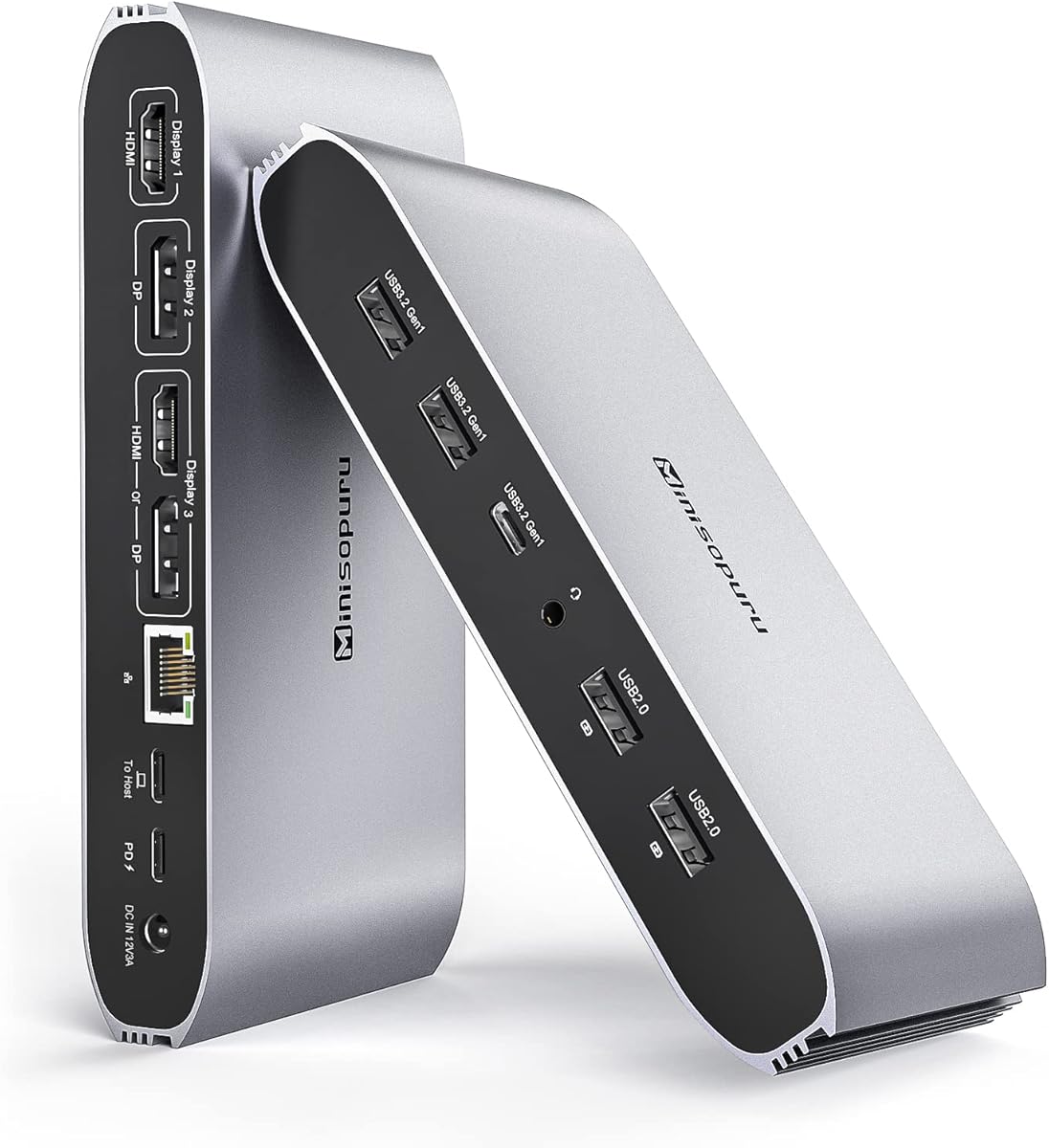
The Minisopuru 13-in-1 dock highlights the core trade-offs in this category: extensive connectivity versus reliable performance across all ports simultaneously. Buyers should understand that DisplayLink technology, used here for triple-monitor support, relies on software drivers and CPU resources, unlike native DisplayPort over USB-C.
Key Considerations Before Buying
- Verify your laptop's specific M-series chip compatibility, as some M1/M2 MacBooks require specific DisplayLink driver versions for stable multi-monitor output, which can be a setup hurdle.
- Assess your true power needs; while this dock offers 100W PD, simultaneous use of all high-power ports (like multiple displays and charging) can reduce available wattage for your laptop.
- Check the bandwidth allocation; with 2x HDMI and 2x DisplayPort, understand that you cannot run all four displays at once—it's configured for specific triple-display combinations, not independent quadruple output.
What Our Analysts Recommend
For DisplayLink docks, prioritize reviews mentioning stable driver installations and specific monitor resolutions achieved (like 4K@60Hz). A quality indicator is consistent performance when daisy-chaining peripherals through the USB-A ports while displays are active, testing the dock's internal bandwidth management.
Docking Stations Market Context
Market Overview
The market for universal docks, especially those targeting both Windows and Apple Silicon Macs, is crowded with brands like Minisopuru offering high port counts at competitive prices. The inclusion of dual DisplayPort alongside HDMI is a less common configuration aimed at professional monitors.
Common Issues
Common problems include thermal throttling under full load, intermittent disconnects on specific ports, and power delivery inconsistencies where connected devices draw power unevenly. DisplayLink-based docks often face software-related hiccups post-operating system updates.
Quality Indicators
Look for mentions of robust construction (not just plastic housings), clear documentation on supported display modes (e.g., 2x 4K + 1x FHD), and consistent Ethernet Gigabit speeds even when USB data transfers are ongoing. A quality dock manages its internal PCIe lane allocation transparently.
Review Authenticity Insights
Grade B Interpretation
A Grade B with an 11% estimated fake review rate suggests the majority of feedback is genuine, but a notable portion of reviews may be incentivized. The slight drop from 3.78 to 3.60 in the adjusted rating indicates these potentially fake reviews are slightly more positive than the authentic consensus.
Trust Recommendation
Focus on reviews that detail specific technical setups, like 'M2 MacBook Air driving two 1440p monitors and one 1080p via DisplayPort,' or mention driver installation steps. Be slightly more skeptical of vague, overly enthusiastic reviews that don't mention Mac model numbers or display resolutions.
Tips for Reading Reviews
For this product, prioritize reviews discussing long-term use (weeks/months) and those that mention firmware updates or specific issues with USB-C data transfer speeds while charging. Authentic reviews often compare performance against native Thunderbolt docks.
Expert Perspective
The Minisopuru dock presents a compelling value for users needing triple-display output from Apple Silicon Macs, a scenario where native support is limited. Its 3.6 adjusted rating reflects real-world experiences where the extensive port selection is appreciated, but reliability isn't universal. The inclusion of dual DisplayPort is a strategic differentiator for office environments with legacy professional monitors. However, the reliance on DisplayLink software introduces a variable that native Thunderbolt docks avoid, which is likely a factor in the mixed rating.
Purchase Considerations
Weigh the necessity of triple displays against the potential for occasional software troubleshooting. If your workflow depends on rock-solid, day-one plug-and-play reliability for mission-critical tasks, a native Thunderbolt 4 dock might be worth the premium. This dock is best for cost-conscious users who value port variety and are comfortable managing DisplayLink drivers.
Comparing Alternatives
Shoppers should compare the port layout and driver requirements against similar DisplayLink docks from brands like Plugable or Wavlink to find the best match for their specific peripheral mix.