
Choosing a portable LPG water heater for camping, caravans, or off-grid homes
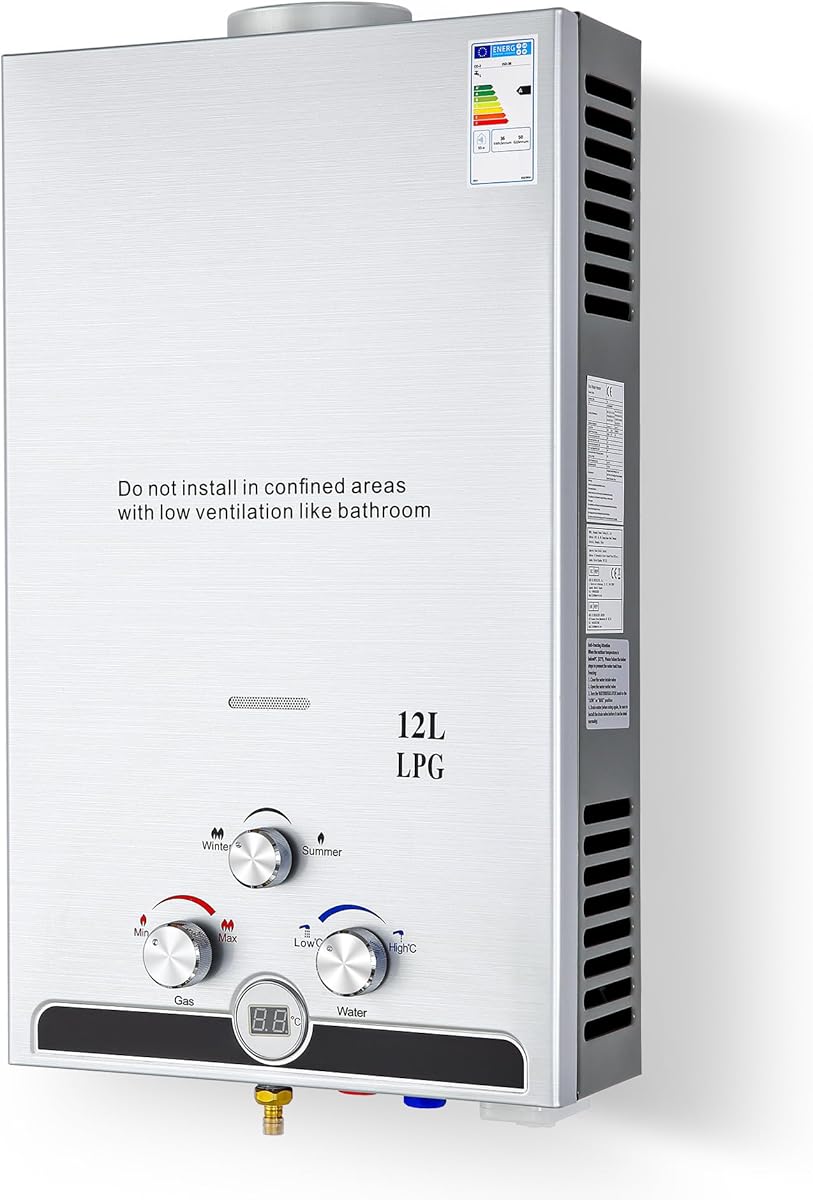
The CO-Z 12LPM instant gas water heater offers a tankless, portable solution for hot water without electrical connections. Buyers should understand that its 20.4kW output and dual winter/summer modes are designed specifically for LPG (butane/propane) operation, making it suitable for mobile or temporary installations where traditional plumbing isn't available. This unit's stainless steel construction and CE certification indicate compliance with European safety standards.
Key Considerations Before Buying
- Flow rate matters: The 12 liters-per-minute specification is theoretical; actual performance depends on inlet water temperature and gas pressure, with winter mode requiring more gas to heat colder water.
- Ventilation is critical: Unlike electric models, this gas heater produces combustion gases that must be properly vented, making installation location a primary safety consideration.
- Gas compatibility: This unit works with both butane and propane LPG, but requires appropriate regulators and hoses; propane performs better in colder temperatures due to higher vapor pressure.
What Our Analysts Recommend
Quality indicators include stainless steel heat exchangers (like this model's) that resist corrosion from condensation, multiple safety features like flame failure protection, and clear documentation for proper installation. The CE mark is essential for European use, confirming basic safety compliance, though it doesn't guarantee optimal performance in all conditions.
Gas Water Heaters Market Context
Market Overview
Portable gas water heaters occupy a niche between permanent residential installations and simple camping solutions, appealing to caravan owners, off-grid dwellers, and those needing temporary hot water. The French market shows particular demand for LPG-compatible units suitable for both seasonal homes and mobile applications.
Common Issues
Users frequently report challenges with inconsistent water temperature during flow variations, ignition difficulties in humid or cold conditions, and confusion about proper ventilation requirements. Installation errors, particularly regarding gas line sizing and water pressure regulation, account for many negative experiences.
Quality Indicators
Beyond basic certifications, reliable units feature copper or stainless steel heat exchangers (not aluminum), include detailed multilingual installation manuals, and offer accessible spare parts. Units with adjustable output like this model's winter/summer modes typically provide better performance across varying conditions.
Review Authenticity Insights
Grade B Interpretation
A Grade B authenticity rating with 10% estimated fake reviews suggests generally trustworthy feedback with minor manipulation concerns. The 4.20 adjusted rating (down from 4.44) indicates some review inflation, but the high percentage of verified purchases (all marked 'V') significantly boosts credibility.
Trust Recommendation
Focus on reviews discussing specific installation scenarios, temperature performance in different seasons, and long-term reliability over several months. Be slightly skeptical of reviews that don't mention actual usage conditions, as portable heaters perform differently in caravans versus fixed installations.
Tips for Reading Reviews
Prioritize reviews that mention gas type used (butane vs propane), installation details, and performance in both summer and winter modes. Look for discussions about minimum water pressure requirements and ignition reliability, as these are practical concerns for portable applications.
Expert Perspective
The CO-Z heater's 4.20 adjusted rating from 213 verified reviews suggests solid performance for its niche application. The winter/summer mode flexibility is particularly valuable for seasonal use, while the stainless steel construction should offer better durability than cheaper alternatives. However, the 12LPM flow rate represents ideal conditions; expect 6-8LPM in typical European groundwater temperatures. The portability claim is genuine but requires proper gas cylinder handling and ventilation planning.
Purchase Considerations
This unit makes most sense for users with existing LPG infrastructure or those needing hot water without electrical access. Consider whether you'll use it primarily with butane (better for indoor/milder climates) or propane (superior for colder conditions), as this affects regulator choices and performance. Installation complexity shouldn't be underestimated—proper flueing and gas connection require basic plumbing/gas competency.
Comparing Alternatives
Shoppers should compare flow rates at specific temperature rises rather than maximum ratings, and consider whether electric instantaneous heaters might suit their needs if power is available.


