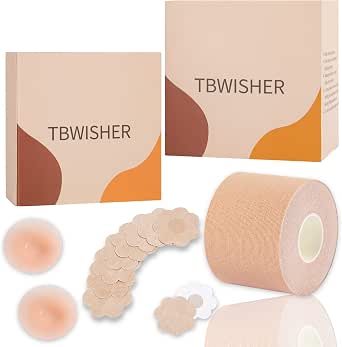
Stop Sweat Stains: Essential Guide to Shirt Collar Protectors
Shirt collar protectors, like the Kiuiom 50-pack, are designed to absorb sweat and prevent yellow stains on collars, extending the life of your favorite shirts. These self-adhesive pads are a practical solution for anyone who deals with perspiration or makeup transfer on necklines. Before buying, understand how they perform under real-world conditions, especially regarding adhesion and visibility.
Key Considerations Before Buying
- Adhesion strength is critical; look for pads that stay put throughout the day without peeling off, especially in humid or active conditions. The Kiuiom pads claim to be self-adhesive, but user feedback often highlights adhesion as a make-or-break factor.
- Thickness and invisibility matter—pads that are too bulky can be visible under clothing or feel uncomfortable. The 'invisible' claim depends on the fabric of your shirt; test on a few garments first.
- Pack quantity and value: a 50-pack offers a low per-pad cost, but ensure the adhesive doesn't degrade over time if stored improperly. Consider how often you'll replace them to gauge if the bulk purchase is worthwhile.
What Our Analysts Recommend
Quality indicators include strong, skin-friendly adhesive that doesn't irritate, a thin profile that remains unseen under collars, and absorbent material that effectively wicks sweat away. Check for pads that are easy to remove without leaving residue, as this is a common complaint in this category.
Breast Petals Market Context
Market Overview
The market for shirt collar protectors and sweat-proof accessories is growing, driven by demand for discreet solutions to common wardrobe issues. These products, often sold in bulk, cater to professionals and individuals seeking to maintain a polished appearance without frequent dry cleaning.
Common Issues
Common problems include pads peeling off during the day, visible edges under thin fabrics, and adhesive residue left on collars after removal. Some users also report that pads don't absorb enough sweat for heavy perspiration, leading to stains anyway.
Quality Indicators
High-quality pads use medical-grade adhesive that balances strong hold with easy removal, and feature a multi-layer design for absorption without bulk. Look for brands that provide clear instructions and have consistent positive feedback on adhesion and invisibility across different fabric types.
Review Authenticity Insights
Grade B Interpretation
The Grade B and 15% estimated fake review rate indicate that while most reviews are genuine, a notable minority may be unreliable. This suggests the product has real strengths and weaknesses, but you should approach highly positive or negative outliers with caution.
Trust Recommendation
Given the mostly authentic feedback, you can generally trust the average rating of 4.0 (adjusted to 3.7). Focus on verified purchase reviews and those that discuss specific experiences with adhesion and sweat absorption, as they are more likely to be genuine.
Tips for Reading Reviews
For this product type, prioritize reviews that mention shirt fabric type, duration of wear, and activity level. Avoid reviews that are overly vague or use promotional language, as these may be incentivized. Look for patterns in complaints about residue or peeling to gauge common issues.
Expert Perspective
The Kiuiom 50-pack offers a cost-effective solution for collar protection, but the adjusted rating of 3.7 suggests mixed performance. The 15% fake review rate is moderate, so the genuine feedback indicates that adhesion and invisibility are hit-or-miss depending on usage. It's a decent entry-level option, but not a top-tier product.
Purchase Considerations
Weigh the low per-unit cost against potential issues with adhesion or residue. If you need reliable protection for daily wear, you might prefer a higher-quality brand with stronger adhesive, even if it costs more per pad. Consider testing a small pack first before committing to 50.
Comparing Alternatives
Shoppers should compare with other collar protectors that offer stronger adhesive or are designed for specific fabric types, as well as reusable options that may be more eco-friendly and cost-effective in the long run.