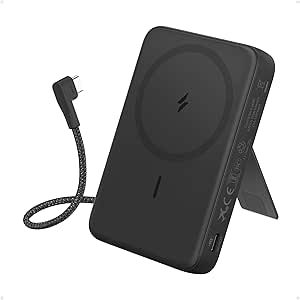
Choosing a Portable Power Station: What 89.6Wh LiFePO4 Means for Your Camping Needs
This 89.6Wh portable power station with a 100W AC inverter and LiFePO4 battery represents a specific niche for weekend campers and road trippers. Unlike basic power banks, its 220V AC outlet and 12V car socket adapter make it suitable for small appliances like CPAP machines or travel kettles, but its capacity limits runtime. Buyers must match its 89.6Wh (roughly 24,000mAh) capacity to their actual device charging needs.
Key Considerations Before Buying
- The 89.6Wh capacity is ideal for recharging phones, tablets, and drones multiple times, but will struggle with powering high-wattage devices like laptops via AC for extended periods; calculate your total device watt-hour needs before purchase.
- The LiFePO4 (Lithium Iron Phosphate) battery chemistry offers superior safety and longevity (2000+ cycles) compared to standard lithium-ion, a critical factor for a product kept in vehicles or used in varying temperatures.
- The 100W pure sine wave AC inverter is sufficient for sensitive electronics but limits you to devices under 100W; check your appliance labels, as something like a small blender might exceed this.
What Our Analysts Recommend
For this category, scrutinize the battery chemistry (LiFePO4 is premium), the inverter's output waveform (pure sine wave is best for electronics), and the actual watt-hour rating, not just mAh. A unit like this should have clear overload protection and thermal management, given it combines AC, DC, and USB outputs.
Portable Power Banks Market Context
Market Overview
The portable power station market is segmented by capacity and features, with sub-100Wh units like this one competing against high-capacity power banks and larger, heavier generators. The inclusion of a true 220V AC outlet at this size and price point is a key differentiator for the European market.
Common Issues
Common pitfalls include overestimating capacity (89.6Wh depletes quickly), misunderstanding inverter efficiency (10-15% power loss is normal), and ports failing under simultaneous load. Units in this range often face durability issues with the AC plug mechanism or fan noise during high-load operation.
Quality Indicators
Look for branded battery cells (often unspecified in this price tier), a robust casing with proper ventilation, and clear documentation on cycle life. A BMS (Battery Management System) with protections for overcharge, deep discharge, and short circuit is non-negotiable for safety.
Review Authenticity Insights
Grade B Interpretation
A 'Grade B' authenticity rating with an estimated 15% fake review rate suggests generally reliable feedback but warrants caution. For this product, it means most reviews discussing specific use cases like camping or car trips are likely genuine, but the rating may be slightly inflated.
Trust Recommendation
Prioritize the verified purchase reviews (7 out of 9 in the sample), particularly those detailing real-world usage duration or device compatibility. Be skeptical of overly vague 5-star reviews and cross-reference any mentions of the LiFePO4 battery's long-term performance.
Tips for Reading Reviews
Focus on reviews that mention charging specific devices (e.g., 'charged my MacBook Air once' or 'ran my camping fan for 6 hours') and note any complaints about the physical build of the ports or the accuracy of the battery indicator. Multilingual reviews can offer diverse usage perspectives.
Expert Perspective
This station positions itself as a versatile, entry-level power source with the premium feature of a LiFePO4 battery, which is commendable. The adjusted 4.00/5 rating from authentic reviews indicates it meets expectations for its capacity class, though not without flaws. The combination of AC, DC, USB-C, and USB-A ports provides genuine utility for mixed-device scenarios, but the 100W AC limit is a hard ceiling. Its value hinges on whether your needs align with its 89.6Wh capacity—it's a powerful charger, not a generator.
Purchase Considerations
Purchase this if your primary needs are USB device charging and occasional low-wattage AC use (under 100W) during short trips. Consider a larger capacity unit (300Wh+) if you need to power a mini-cooler or CPAP machine overnight. The 12V car adapter adds value for vehicular use, making it a good companion for road travel.
Comparing Alternatives
Shoppers should compare the Wh/€ ratio, port selection, and battery chemistry with similar units from brands like Jackery, EcoFlow, or Bluetti to contextualize this product's value proposition.