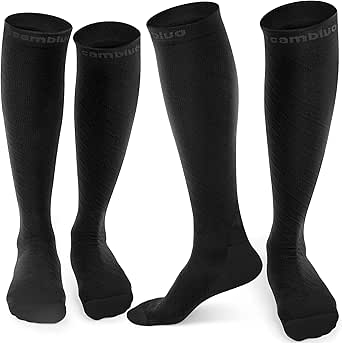
Choosing 15-20 mmHg Graduated Compression Socks for Travel and Activity
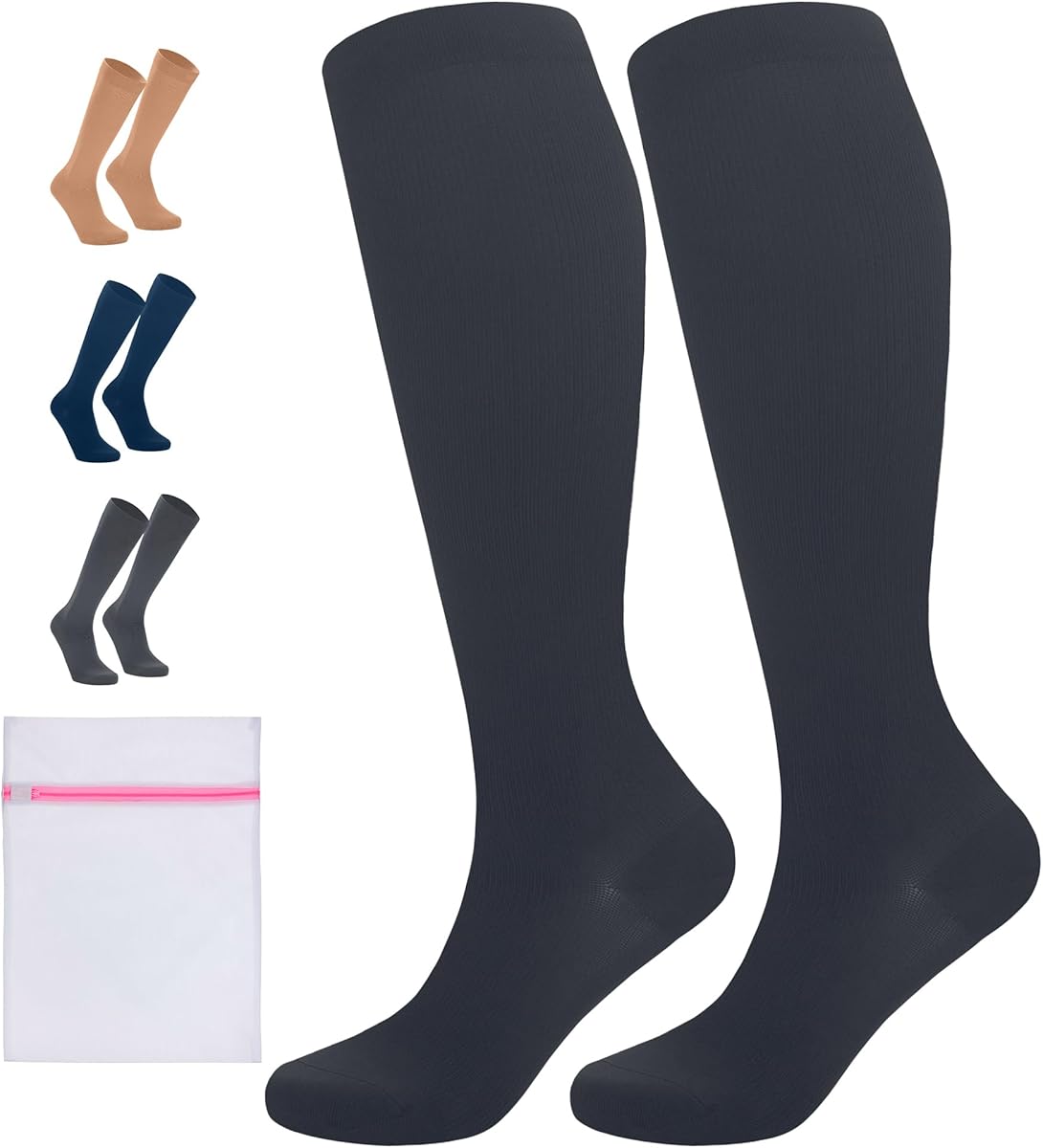
The 360 RELIEF socks offer 15-20 mmHg graduated compression, a medical-grade pressure range ideal for both travel and athletic recovery. This specific mmHg rating provides therapeutic support without being overly restrictive for daily wear, distinguishing them from lighter support socks or stronger medical compression garments. The inclusion of a laundry bag indicates attention to garment care, which is crucial for maintaining compression integrity.
Key Considerations Before Buying
- The 15-20 mmHg range is optimal for preventing deep vein thrombosis during flights while being comfortable enough for running and cycling recovery.
- Graduated compression means tightest pressure at the ankle (20 mmHg) decreasing up the calf (15 mmHg), which promotes proper blood flow back to the heart.
- Unisex sizing requires careful measurement of calf circumference and shoe size, as improper fit can render compression ineffective or cause discomfort.
What Our Analysts Recommend
Quality compression socks should maintain consistent pressure after multiple washes and show no significant pilling or seam failure. The 360 RELIEF's 4.8/5 rating across 4,591 reviews suggests good durability, but examine reviews mentioning long-term wear. Proper graduated compression should feel snuggest at the ankle with noticeable pressure reduction moving upward.
Socks Market Context
Market Overview
The UK medical compression market has expanded beyond clinical use to include athletic recovery and travel wellness products. The 15-20 mmHg category represents the most versatile segment, bridging medical prevention and performance enhancement. Products like 360 RELIEF compete directly with brands like Physix Gear and SB SOX in this pressure range.
Common Issues
Many compression socks lose elasticity after 30-40 washes or develop toe seams that irritate during extended wear. Some unisex designs fail to accommodate different calf-to-ankle ratios between genders. The 12% estimated fake review rate in this category highlights the need for careful review analysis.
Quality Indicators
Look for reinforced heel and toe areas, flat toe seams to prevent blisters, and moisture-wicking fabric blends. Genuine graduated compression products will specify mmHg ranges at both ankle and calf points. The laundry bag inclusion with 360 RELIEF suggests the manufacturer understands compression garment care requirements.
Review Authenticity Insights
Grade B Interpretation
A Grade B authenticity rating with 12% estimated fake reviews indicates generally trustworthy feedback with some manipulation. The adjusted 4.50/5 rating (from 4.80/5) suggests genuine satisfaction sits slightly below the displayed average. This is typical for popular compression sock listings where some incentivized reviews exaggerate benefits.
Trust Recommendation
Focus on verified purchase reviews mentioning specific use cases like '8-hour flight' or 'post-marathon recovery' rather than generic praise. The 3-star review in the analysis provides more balanced insight than perfect scores. Given the 4591-review volume, even with manipulation, patterns around fit and durability should be reliable.
Tips for Reading Reviews
Prioritize reviews discussing actual mmHg pressure sensation, long-term elasticity retention, and specific activities like cycling or pregnancy. Be skeptical of reviews using identical phrasing about 'best ever' without detailing compression levels or comparing to other mmHg products.
Expert Perspective
The 360 RELIEF socks demonstrate strong market acceptance with 4,591 reviews maintaining 4.8/5 stars, though the adjusted 4.50/5 accounting for suspicious reviews is more realistic. Their 15-20 mmHg positioning makes them genuinely versatile for travel, athletics, and maternity—three distinct use cases requiring different fit considerations. The inclusion of a laundry bag shows understanding that compression garments require special care, a detail often overlooked by budget brands. The high review volume suggests consistent manufacturing quality, though unisex sizing remains a potential compromise.
Purchase Considerations
Measure your calf circumference precisely rather than relying solely on shoe size, as compression efficacy depends entirely on proper fit. Consider whether you need true 15-20 mmHg medical-grade compression or would benefit from lighter 8-15 mmHg for comfort. The maternity designation suggests extra stretch in the calf area, which may benefit athletes with larger calves.
Comparing Alternatives
Compare with similarly priced 15-20 mmHg options like Physix Gear Sport or SB SOX, paying attention to fabric blend percentages and specific compression zone designs.