
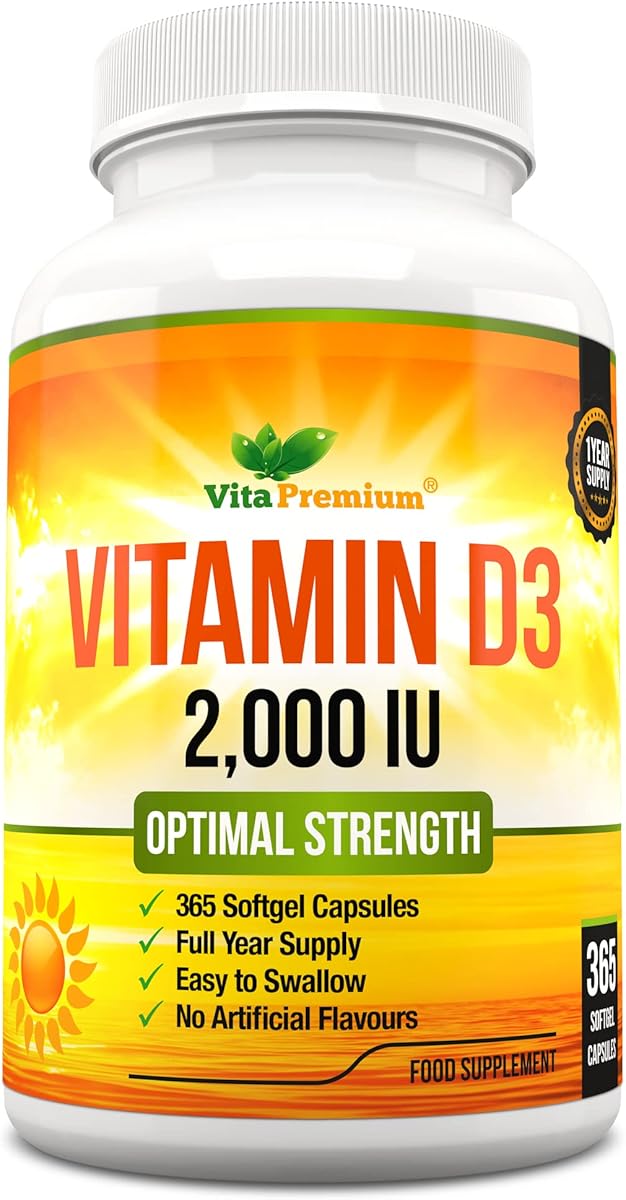
Choosing a 2,000 IU Vitamin D3 Supplement: Key Factors for UK Consumers
When evaluating this specific 2,000 IU Vitamin D3 softgel with a full-year supply, UK buyers should focus on dosage appropriateness for limited sun exposure and the convenience of a 365-count format. The 'optimal strength' claim warrants scrutiny against individual needs and NHS guidance for supplementation.
Key Considerations Before Buying
- The 2,000 IU dosage sits at the higher end of standard maintenance supplementation; assess if this aligns with your baseline levels and healthcare provider's advice, particularly given the UK's latitude and seasonal sunlight variation.
- A 365-softgel supply represents a significant commitment; verify the softgel size and coating truly facilitate easy swallowing, as some users report issues with larger gel capsules despite marketing claims.
- Check the source of Vitamin D3 (typically lanolin or lichen) and the carrier oil in the softgel (like olive or sunflower oil), as these impact absorption and suitability for dietary restrictions.
What Our Analysts Recommend
Prioritise supplements stating 'cholecalciferol' (D3) over ergocalciferol (D2) for superior bioavailability. Look for third-party testing seals or batch-specific Certificates of Analysis (CoA) to verify the 2,000 IU potency and absence of heavy metals, a critical step given the concentrated dose.
Vitamin D Market Context
Market Overview
The UK Vitamin D market has expanded significantly post-pandemic, with 2,000 IU becoming a popular 'maintenance' strength. Products offering a full 365-day supply, like this one, cater to consumers seeking convenience and cost-effectiveness over lower-count bottles.
Common Issues
Inconsistency in softgel size causing swallowing difficulties and variability in actual D3 potency versus label claims are frequent complaints. Some products use unnecessary fillers or stabilisers that can trigger sensitivities.
Quality Indicators
Superior Vitamin D3 supplements specify the raw material source, use MCT or olive oil for optimal fat solubility, and provide transparent storage instructions (away from heat/light) to preserve stability throughout the year-long supply.
Review Authenticity Insights
Grade B Interpretation
A 'Grade B' with an estimated 15% fake review rate indicates generally reliable feedback but warrants cautious optimism. For this product, it suggests most positive experiences around the 2,000 IU dosage and softgel format are genuine, but a portion of ratings may be inflated.
Trust Recommendation
Focus on the verified purchase reviews (all marked 'V'), which hold more weight. Cross-reference mentions of the product's specific traits—like the softgel's texture or the bottle's packaging—across multiple reviews to identify consistent, authentic user experiences.
Tips for Reading Reviews
Prioritise reviews discussing long-term use over several months, as Vitamin D's effects are cumulative. Be sceptical of reviews focusing solely on price or delivery speed without detailing the supplement's physical characteristics or perceived efficacy.
Expert Perspective
This product's strong adjusted rating of 4.5/5 from verified purchases suggests it reliably delivers on its core promise: a convenient, year-long supply of 2,000 IU D3. The high rating amidst a Grade B authenticity score implies genuine satisfaction, particularly regarding dosage consistency and softgel tolerability. The 'optimal strength' positioning is strategic for the UK market, where Public Health England recommends 400 IU daily but many adults require higher maintenance doses.
Purchase Considerations
Weigh the value of a bulk 365-day supply against the risk of committing to one brand if the softgel format or dosage doesn't suit you. Consider if your lifestyle necessitates a 2,000 IU daily dose or if a lower strength with testing guidance would be more prudent initially.
Comparing Alternatives
Shoppers should compare this product's cost-per-softgel and carrier oil type with other 2,000 IU D3 supplements, especially those offering smaller trial packs.


