
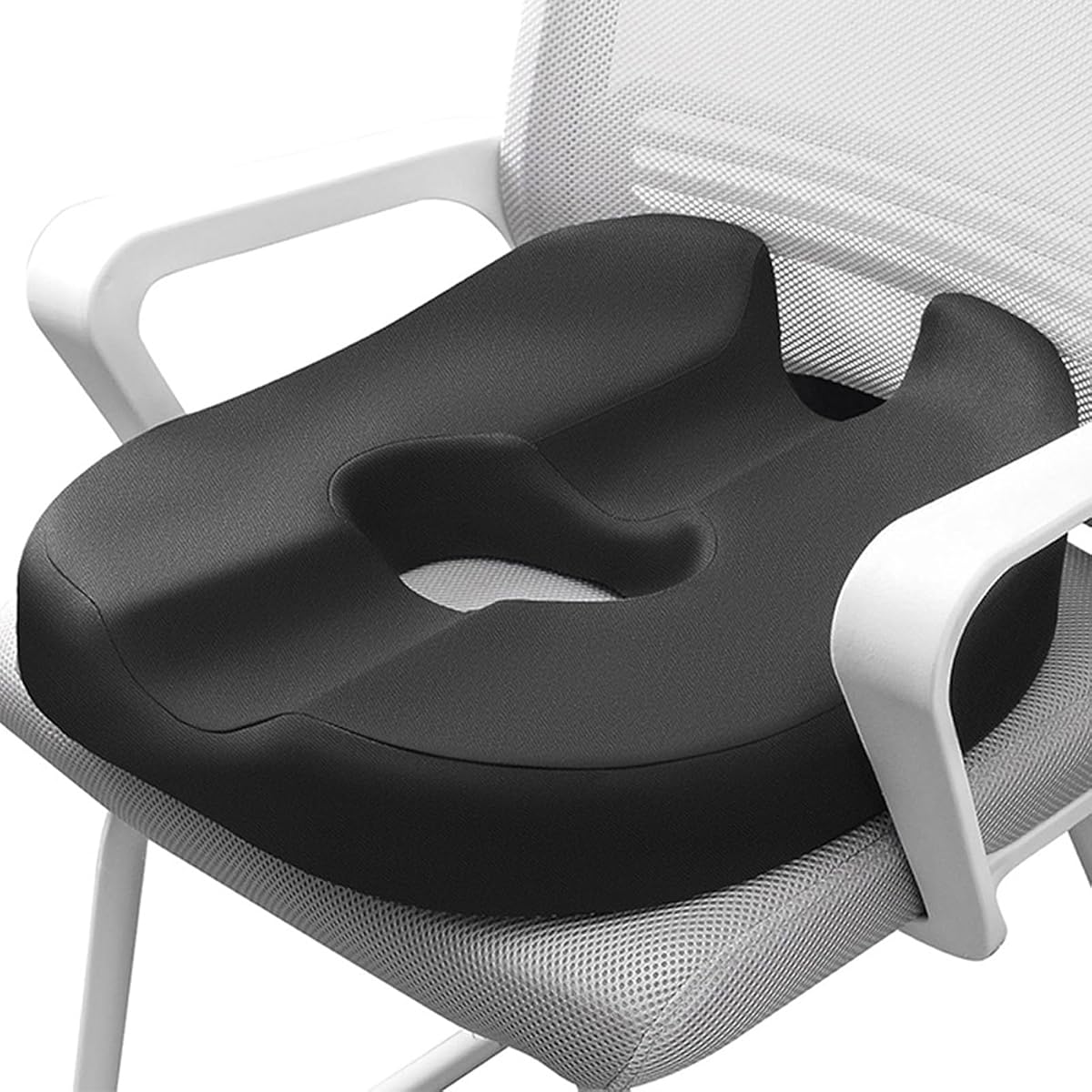
Choosing a Donut Pillow: Memory Foam, Cutout Design, and Real Relief
This donut pillow uses memory foam and a central cutout to suspend the coccyx and perineal area, targeting conditions like sciatica, postpartum recovery, and pressure sores. With a 4.20/5 rating from 1,256 UK reviews, it's a popular option, but understanding fit and foam quality is key.
Key Considerations Before Buying
- The cutout's size and depth must align with your pain point: too small and it won't relieve pressure, too large and it may reduce stability. Look for dimensions that match your body type and seating.
- Memory foam density affects support and durability; lower-density foams may flatten quickly, while higher-density versions offer better longevity but can feel firmer initially.
- The cover material impacts comfort and hygiene, especially for postpartum or post-surgery use. A removable, washable cover with a non-slip base is ideal.
What Our Analysts Recommend
Prioritize a pillow with a high-density memory foam core that rebounds slowly and a cutout that extends fully to the back edge. Check that the cover is breathable and machine-washable, and verify the pillow's dimensions against your chair to avoid pressure points shifting elsewhere.
Market Context
Market Overview
Donut pillows have evolved from basic foam rings to ergonomic memory foam cushions with targeted cutouts, driven by rising awareness of pelvic floor health and prolonged sitting. The UK market offers a wide range from budget to premium, but quality varies significantly.
Common Issues
Many users report that cheaper pillows flatten within weeks or have cutouts that are too small to relieve coccyx pressure. Others find the foam too firm, causing new discomfort, or the cover too slippery, leading to constant repositioning.
Quality Indicators
High-quality donut pillows use CertiPUR-certified memory foam, have a cutout that spans at least 6 inches wide, and include a cover with a grippy bottom. Reviews mentioning long-term durability and relief for specific conditions are positive signs.
Review Authenticity Insights
Grade B Interpretation
A Grade B indicates mostly genuine reviews, but with about 15% potentially fake, so some ratings may be inflated. The adjusted rating of 3.90/5 suggests that after removing suspicious reviews, the product still performs above average but has notable detractors.
Trust Recommendation
Trust the adjusted rating more than the displayed 4.20/5, and focus on reviews that describe specific conditions and long-term use. Be cautious of reviews that are overly brief or use repetitive phrasing.
Tips for Reading Reviews
Look for reviews that mention your specific condition (e.g., postpartum, sciatica) and detail how the pillow performed over weeks. Pay attention to complaints about foam flattening or cutout size, as these are common failure points.
Expert Perspective
This donut pillow addresses a real need for pressure relief, and its memory foam construction is a plus. However, the 15% fake review estimate and adjusted rating of 3.90 suggest it's not a slam dunk; some users find it ineffective or uncomfortable. The wide range of conditions it claims to help means it may be a jack-of-all-trades but master of none.
Purchase Considerations
Consider your specific pain point and measure your chair to ensure the cutout aligns correctly. If you need firm support, check the foam density; if you prioritize hygiene, ensure the cover is washable. Also, factor in return policies in case it doesn't suit you.
Comparing Alternatives
Compare with other donut pillows that offer varying firmness levels or larger cutouts, as the best choice depends on your body and condition.


