
Choosing a Dynamic XLR/USB Microphone for Podcasting and Streaming
When selecting a dynamic microphone like the FIFINE K688, which offers both XLR and USB connectivity, you're looking for versatility and ease of use. This hybrid design suits beginners who want plug-and-play USB recording and professionals who prefer an audio interface with XLR. Understanding your recording environment and workflow is key to getting the most out of this cardioid dynamic mic.
Key Considerations Before Buying
- Consider your recording setup: USB mode is ideal for direct computer recording without extra gear, while XLR allows integration with mixers or interfaces for advanced control. The K688 supports both, so think about your current and future needs.
- Evaluate your room acoustics: Dynamic microphones like this one excel in untreated spaces because they reject background noise. The cardioid pattern focuses on sound from the front, minimizing echoes and ambient sounds.
- Check for latency monitoring: The 3.5mm headphone jack on the K688 enables real-time audio monitoring, which is crucial for podcasters and streamers to avoid echo or delay during live sessions.
What Our Analysts Recommend
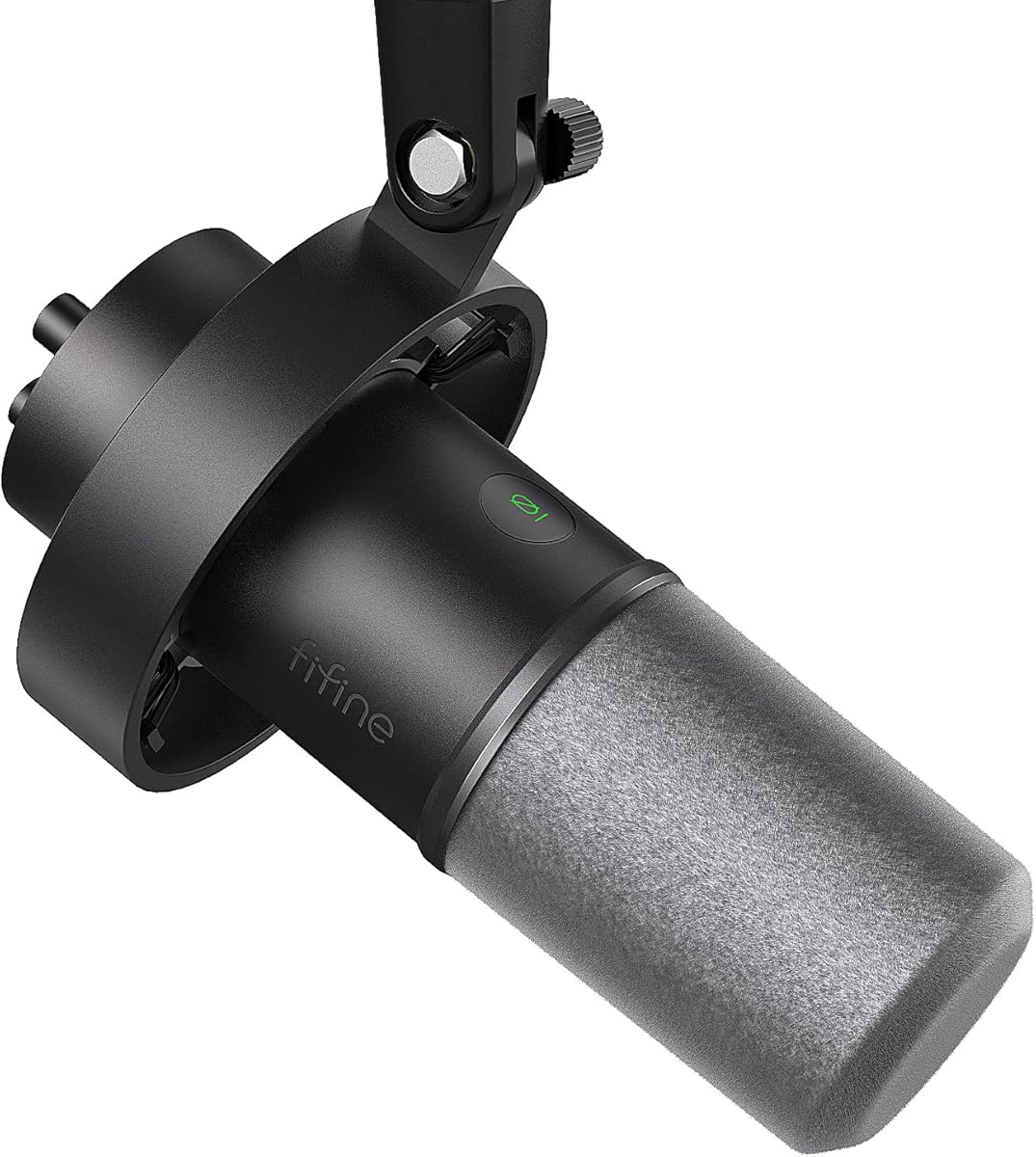
Look for a robust build with a metal chassis for durability, as seen in the K688's black metal design. A mute button and easy-access controls are practical for live use. Also, ensure the frequency response suits vocals—dynamic mics typically have a tailored mid-range for clarity.
Dynamic Market Context
Market Overview
The dynamic microphone market for creators has expanded rapidly, with hybrid XLR/USB models bridging the gap between consumer and pro gear. The FIFINE K688 competes in a segment where affordability and feature sets matter, often serving podcasters, streamers, and gamers who need reliable performance without breaking the bank.
Common Issues
Common concerns include inconsistent build quality in budget models and limited frequency response for music recording. Some users report background noise pickup if the cardioid pattern isn't tight, or latency in USB mode without a dedicated headphone output. The K688 addresses the latter with its 3.5mm jack.
Quality Indicators
Quality indicators include a metal rather than plastic body, a well-implemented cardioid pickup pattern, and low self-noise. Verified purchase reviews that mention specific use cases—like podcasting or gaming—help gauge real-world performance. The K688's high rating and low fake review percentage (10%) suggest genuine user satisfaction.
Review Authenticity Insights
Grade B Interpretation
The Grade B authenticity rating with a 10% estimated fake review rate indicates that while the vast majority of reviews are genuine, a small portion may be incentivized or unreliable. This is typical for popular products, and the 4.67/5 star rating (adjusted to 4.40/5) still reflects strong overall satisfaction.
Trust Recommendation
You can trust the consensus from verified purchasers, especially those detailing specific experiences with the K688's dual connectivity or mute button. Focus on reviews that mention actual use cases like streaming or voice-over, as these are likely authentic and helpful.
Tips for Reading Reviews
When reading reviews, prioritize those with verified purchase badges and detailed context—like 'used for podcasting with XLR interface' or 'USB worked out of the box.' Be cautious of overly brief, overly positive reviews without specifics, as they may be part of the 10% fake pool.
Expert Perspective
The FIFINE K688 is a solid entry-level dynamic microphone that balances affordability with essential features for podcasters and streamers. Its hybrid XLR/USB design offers flexibility, while the cardioid pattern and headphone jack address common pain points. The authenticity analysis supports its positive reputation, with a high genuine review rate and a modest fake percentage that doesn't undermine overall trust.
Purchase Considerations
Consider this mic if you need a versatile, budget-friendly option for spoken-word content and value real-time monitoring. However, if you require higher sound fidelity for music recording or a wider frequency range, you might explore dedicated XLR dynamic mics at a higher price point.
Comparing Alternatives
Shoppers should compare the K688 with other hybrid dynamic mics like the Audio-Technica ATR2100x or Shure MV7, which offer similar features but at different price tiers. Your decision should weigh the K688's lower cost against potential trade-offs in build or sound refinement.


