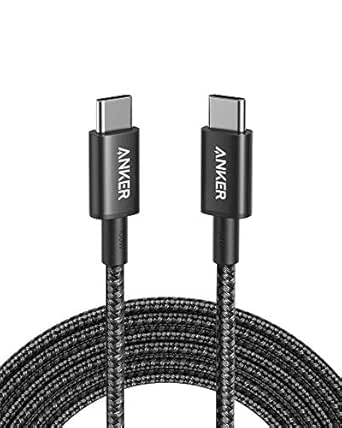
![CONMDEX USB C Cable Short 50cm/0.5M 2Pack [10Gbps Data] USB3.1 Gen2 Type C Android Auto Cable QC3.0 3.1A USB A to C Fast Charger for Samsung Note20 Galaxy S 24/S23/S22 Z Flip4 TabS9 Pixel 9/9pro Black](https://m.media-amazon.com/images/I/31Ufrx-ULUL._AC_SL1200_.jpg)
Mastering Short USB-C Cables: Speed, Charging, and Durability
When choosing a short USB-C cable like the CONMDEX 0.5m option, you're prioritizing portability and reduced clutter over reach. This specific cable supports 10Gbps data transfer and 3.1A fast charging, making it ideal for quick syncs and top-ups with devices like the Samsung Galaxy S24 or Pixel 9.
Key Considerations Before Buying
- Data transfer speed is critical: Ensure the cable supports at least USB 3.1 Gen2 (10Gbps) to handle large files, like 4K videos or high-res photos, without bottlenecks. The CONMDEX cable meets this spec for efficient backups or media transfers.
- Charging compatibility: Look for QC3.0 or Power Delivery support to fast-charge modern smartphones. The 3.1A rating on this cable is sufficient for rapid charging of Samsung Galaxy and Google Pixel devices, but check your charger's output for optimal speed.
- Length and portability: A 50cm cable is perfect for power banks, car use with Android Auto, or tight desk setups. It reduces tangling and is easy to pack, but ensure it's long enough for your specific use case without straining the ports.
What Our Analysts Recommend
For a short USB-C cable, prioritize braided or reinforced connectors to withstand frequent bending and plugging. Also, verify that the cable supports the latest USB standards (like USB 3.1 Gen2) and fast charging protocols (QC3.0 or PD) to future-proof your setup.
USB Cables Market Context
Market Overview
The USB-C cable market is saturated with options from budget to premium, often confusing consumers with misleading speed and charging claims. Short cables (under 1m) are gaining popularity for travel and desktop organization, but many lack the full 10Gbps data capability advertised.
Common Issues
Common problems include cables that support fast charging but not high-speed data transfer, or vice versa. Durability is another concern, especially with short cables that experience more frequent plugging and unplugging, leading to frayed ends or loose connections over time.
Quality Indicators
Look for cables with certified chipsets (e.g., for USB-IF compliance) and robust build quality, such as braided nylon or reinforced strain relief. Verified customer reviews that mention specific use cases, like Android Auto performance or fast charging speeds, are strong indicators of reliability.
Review Authenticity Insights
Grade A Interpretation
The Grade A rating with only 5.00% estimated fake reviews indicates that the vast majority of the 10,900 reviews are genuine and trustworthy. This is a strong signal that the product's 4.78/5 rating reflects real user satisfaction, not manipulated feedback.
Trust Recommendation
Given the high review authenticity, you can confidently rely on the overwhelming positive feedback. However, still check recent reviews for any changes in quality or manufacturing, as even reputable products can have batch variations over time.
Tips for Reading Reviews
Focus on reviews that describe specific performance metrics, like data transfer speeds with large files or charging times on particular phone models. Look for balanced feedback that mentions both pros (e.g., fast charging) and cons (e.g., stiff cable) to get a realistic picture.
Expert Perspective
The CONMDEX USB-C cable stands out in a crowded market due to its verified high-speed data (10Gbps) and fast charging (3.1A) in a convenient short length. With over 10,000 authentic reviews and a 4.78/5 rating, it's a reliable choice for Samsung Galaxy and Google Pixel users, especially for Android Auto or power bank use. The low fake review percentage (5%) further reinforces its credibility, making it a safe bet for most consumers.
Purchase Considerations
Consider this cable if you need a short, durable option for fast charging and data syncing on the go. However, if you require longer lengths (e.g., 1m or 2m) or future-proofing for 240W charging, you may want to explore alternatives with higher power delivery specs.
Comparing Alternatives
Shoppers should compare this cable with other short USB-C options that offer similar data and charging specs, such as Anker or Belkin models, to ensure the best fit for their specific device ecosystem and budget.