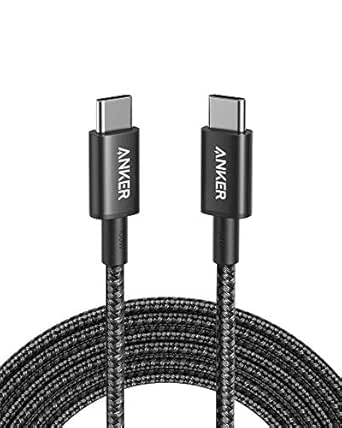
![RAVIAD USB C to USB C Charger Cable Short [2Pack 15CM] 60W Fast Charging | Nylon Type C Charger Fast Charge Lead USBC to USBC Cord for iPhone 17 16 15 Pro Max, Samsung Galaxy S25 S24, MacBook, iPad](https://m.media-amazon.com/images/I/413OjWhpR-L._AC_SL1200_.jpg)
Short USB-C Cables: Why 15cm Length Matters for Car, Dashcam, and Travel
When you're looking at a 15cm USB-C to USB-C cable, you're not just buying a charger—you're buying a solution for tight spaces. This RAVIAD 2-pack is designed for use cases like connecting a dash cam, tidying your car's console, or keeping a power bank close to your phone. Understanding the trade-offs of this ultra-short length is key to deciding if it fits your needs.
Key Considerations Before Buying
- Length vs. convenience: A 15cm cable is ideal for close-proximity charging, but it won't reach from a wall outlet to a phone on a nightstand. Think about your typical charging spots before committing.
- Power delivery: The 60W rating means it can fast-charge phones and even some laptops, but it's not designed for high-power devices like a 100W MacBook Pro. Check your device's maximum charging speed to ensure compatibility.
- Durability: Nylon braiding adds strength and resists tangling, but the connectors and strain relief are what really determine lifespan. Look for reinforced joints to avoid fraying at the ends.
What Our Analysts Recommend
For a short USB-C cable, quality indicators include the gauge of the internal wires (thicker for higher power), the quality of the USB-IF certification, and the overall build of the connector housing. A good short cable should feel rigid at the ends, not flimsy, and should maintain a stable connection without micro-cutouts during charging.
USB Cables Market Context
Market Overview
The USB-C cable market is saturated with options ranging from 10cm to 3m, but the short-length segment is niche and growing. These cables are increasingly popular for dash cams, portable monitors, and minimizing clutter in vehicles or desks.
Common Issues
Many short cables fail due to poor strain relief at the connector, leading to internal wire breaks. Others underdeliver on advertised power, especially if they lack proper E-marker chips for 60W+ speeds. Consumers often report that cables stop working after a few months of bending at the connector.
Quality Indicators
Look for USB-IF certification, which ensures compliance with power delivery standards. The presence of a 56kΩ pull-up resistor (for legacy devices) and a robust braided exterior are also signs of a quality cable. Reviews that mention consistent fast charging and no overheating are strong indicators.
Review Authenticity Insights
Grade B Interpretation
The Grade B rating and 10% estimated fake review rate suggest that while most of the 4,319 reviews are authentic, a small portion may be incentivized or overly promotional. This is not uncommon for high-volume Amazon products, but it means you should weigh the overall 4.89-star average with slight caution.
Trust Recommendation
Given the high verified purchase rate and specific use-case descriptions, you can trust the general sentiment. However, read the 3- and 4-star reviews to see what minor complaints exist, as they often reveal true limitations like length or connector fit.
Tips for Reading Reviews
For cables, focus on reviews that mention 'dash cam,' 'car,' or 'short length'—these are likely from users with real-world needs. Be wary of reviews that use overly generic praise like 'great product' without details, as they may be less reliable.
Expert Perspective
The RAVIAD 2-pack of 15cm USB-C cables offers a practical, well-reviewed solution for specific charging scenarios. The 4.89/5 rating, even adjusted to 4.60, indicates high user satisfaction, and the authenticity analysis supports that most feedback is genuine. The 60W power delivery is sufficient for phones and some tablets, making it a versatile choice for on-the-go use.
Purchase Considerations
Consider whether your primary use case truly benefits from a 15cm length—if you need to charge from a wall outlet, a longer cable may be more practical. Also, evaluate the price per cable relative to durability; a 2-pack is economical, but if you need one for years, a single higher-end cable might be better.
Comparing Alternatives
Compare this with other short USB-C cables that offer higher wattage (e.g., 100W) or additional features like angled connectors for tight spaces. Your choice should align with your most common charging environment.