
Choosing a Memory Foam Neck Pillow: What Side Sleepers Need to Know
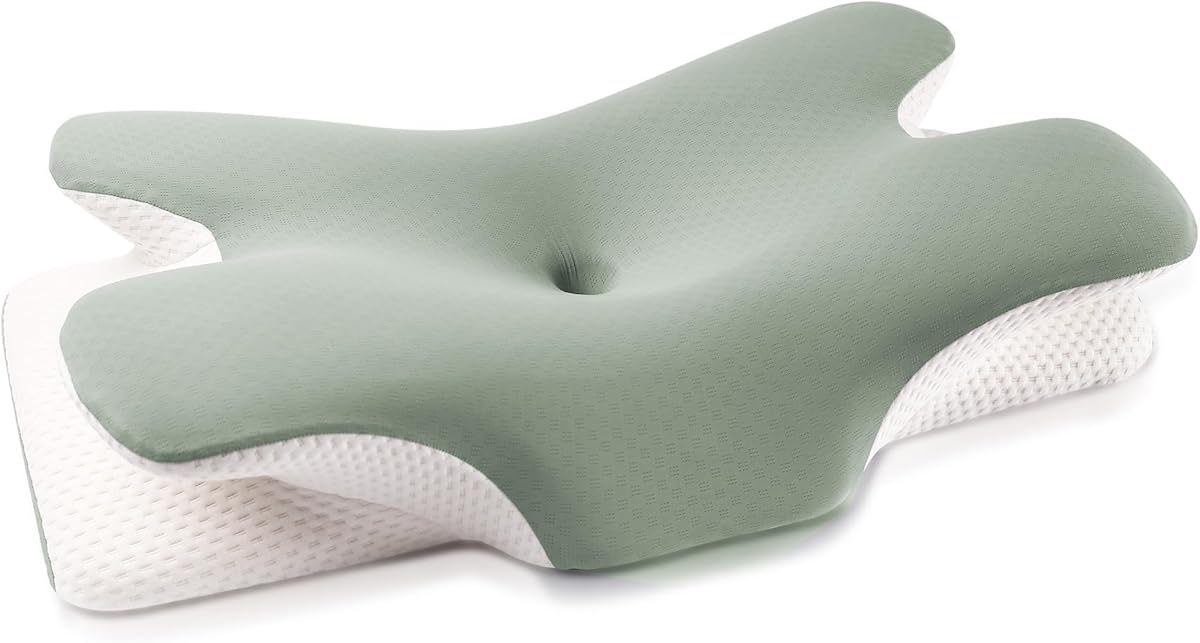
When selecting a memory foam neck pillow like the MULISOFT ergonomic side sleeper pillow, buyers should understand how density and contour design affect spinal alignment. This specific pillow's green cover and advertised side-sleeper focus indicate targeted pressure relief, but the foam's responsiveness to body heat and recovery time are crucial for comfort.
Key Considerations Before Buying
- For side sleepers, pillow height must match shoulder width to maintain neutral cervical alignment—the MULISOFT's ergonomic cutouts should cradle the neck without creating gaps.
- Memory foam density determines support longevity; medium-density foams like those in this category balance contouring with adequate push-back to prevent sinking.
- Breathability matters with solid memory foam cores; check if the green bamboo cover on this model provides sufficient airflow to manage heat retention common in UK bedrooms.
What Our Analysts Recommend
Examine the pillow's ridge structure—distinct cervical support curves should be visible. Quality memory foam pillows maintain their shape after compression; press the center for 30 seconds and time the recovery. For the MULISOFT specifically, verify the cover's zip-off design for cleaning, as foam cores cannot be washed.
Neck Pillows Market Context
Market Overview
The UK neck pillow market is saturated with memory foam options, with most competing on price-point rather than medical-grade ergonomics. Recent trends show increased demand for side-sleeper specific designs like the MULISOFT, moving beyond generic contour shapes.
Common Issues
Buyers frequently report premature foam flattening, especially with lower-density imports, and heat buildup from non-breathable covers. Another consistent complaint involves pillows being too firm for lightweight sleepers, causing pressure points rather than relief.
Quality Indicators
Look for CertiPUR-US certified foam (though not always stated on UK products) and dual-layer covers with moisture-wicking properties. Higher-quality pillows feature graduated foam densities—firmer at the base for support, softer at the contact points—rather than uniform composition.
Review Authenticity Insights
Grade B Interpretation
A Grade B authenticity rating with 11% estimated fake reviews suggests the MULISOFT pillow's 4.22 Amazon rating is reasonably reliable, though slightly inflated. This means most reviews reflect genuine experiences, but approximately 1 in 10 may be incentivized or artificial.
Trust Recommendation
Focus on verified purchase reviews mentioning long-term use (2+ months) to assess foam durability. The adjusted 4.00 rating excluding suspicious reviews is a more accurate performance indicator—still strong for this category.
Tips for Reading Reviews
Prioritize reviews discussing specific sleeping positions and pillow break-in periods. For this product, seek comments about the green cover's softness maintenance after washing and whether the foam's initial chemical odor dissipates within 48 hours.
Expert Perspective
The MULISOFT pillow presents as a competent mid-market option for side sleepers, with its 4.00 adjusted rating indicating satisfactory performance. Its ergonomic design targeting neck support aligns with current sleep science, though the memory foam composition may not suit hot sleepers. The authenticity analysis suggests genuine customer satisfaction outweighs promotional content, particularly regarding pain relief claims. However, the absence of density specifications (ILD rating) makes long-term durability harder to assess.
Purchase Considerations
Weigh the pillow's medium-firm memory foam against your preferred sleep surface—softer mattresses may require additional loft. Consider your heat sensitivity, as solid memory foam retains more warmth than shredded alternatives. The pillow's fixed contour design offers less adjustability than adjustable-fill models.
Comparing Alternatives
Compare the MULISOFT's height and firmness against similar-priced contour pillows from brands like Snuggle-Pedic or EPABO, noting differences in trial periods and return policies.


