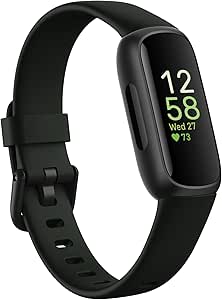
Suunto Race S: Lightweight Precision for Serious Multisport Athletes
When choosing a multisport GPS watch like the Suunto Race S, you're investing in a tool that must balance weight, battery life, and accuracy for training and racing. This model stands out with its AMOLED touchscreen, dual-band GNSS for challenging environments, and a 9-day battery that reduces charging anxiety. Key features like menstrual cycle tracking and offline maps add versatility for athletes who want both performance and everyday health support.
Key Considerations Before Buying
- Evaluate dual-band GNSS accuracy: If you train in urban canyons, dense forests, or near cliffs, dual-band GPS (like the Race S offers) significantly improves track reliability compared to single-band watches.
- Consider battery life vs. features: The 9-day claim is under normal use; heavy GPS usage or always-on AMOLED will reduce that. For ultramarathoners or multi-day adventures, you'll need to manage settings or look at longer-lasting models.
- Check for specific sport profiles and menstrual cycle tracking: The Race S includes dedicated modes for triathlon, swimming, and running, plus cycle care. If you're a female athlete, this integrated health feature can be a deciding factor over competitors.
What Our Analysts Recommend
In a premium sports watch, look for a high-quality AMOLED display that's readable in direct sunlight, a responsive digital crown for easy menu navigation, and offline map support for route following without a phone. Verified waterproof ratings (e.g., 100m) and robust build materials like sapphire glass or stainless steel also signal durability.
Activity Trackers Market Context
Market Overview
The multisport GPS watch market is increasingly competitive, with brands like Garmin, Coros, and Suunto vying for athletes who demand accuracy, battery life, and smart features. AMOLED displays have become a trend, offering vibrant colors but often at the cost of battery efficiency. The Suunto Race S enters this space as a lighter, more affordable alternative to the flagship Suunto Vertical, targeting triathletes and runners who want premium features without the bulk.
Common Issues
Common complaints in this category include inconsistent GPS accuracy in challenging terrain, shorter-than-advertised battery life under heavy use, and complex user interfaces that require a learning curve. Some users also report connectivity issues with third-party apps like Strava or TrainingPeaks, which can frustrate athletes who rely on detailed data analysis.
Quality Indicators
Quality indicators include reliable dual-band GNSS chipsets, high-resolution AMOLED screens with good outdoor visibility, and a responsive digital crown or buttons for wet-finger use. A strong ecosystem of sport profiles, accurate heart rate monitoring, and regular firmware updates from the manufacturer also distinguish top-tier watches from budget alternatives.
Review Authenticity Insights
Grade B Interpretation
The Grade B and 10% estimated fake review rate suggest that while the vast majority of reviews are trustworthy, a small fraction may be incentivized or unverified. This is typical for a popular product with moderate review volume (53 ratings). The 4.60/5 star rating, when adjusted to 4.40, still indicates strong satisfaction, but buyers should remain cautious of overly glowing or vague reviews.
Trust Recommendation
Given the high adjusted rating (4.40) and mostly authentic signals, you can generally trust the positive feedback. However, focus on reviews that mention specific use cases—like trail running, swimming, or menstrual cycle tracking—as these are more likely to be genuine. Be skeptical of any review that lacks detail or reads like a marketing pitch.
Tips for Reading Reviews
For activity trackers, prioritize reviews that discuss battery life under your typical usage (e.g., GPS-on hours), GPS accuracy in your local terrain, and comfort during long workouts. Look for photos or videos of the watch on wrist, as these are harder to fake. Also, check the date of reviews: older ones may reflect earlier firmware issues that have since been fixed.
Expert Perspective
The Suunto Race S is a compelling option for serious athletes who want a lightweight, feature-rich GPS watch without the premium price of top-tier models. Its dual-band GNSS, offline maps, and menstrual cycle tracking are standout features, while the 9-day battery (in smartwatch mode) is competitive for its weight class. The authenticity analysis suggests reliable user satisfaction, though the small sample size (53 reviews) means long-term reliability is less proven. If you prioritize accuracy and a bright AMOLED screen over extreme battery endurance, this watch is a strong contender.
Purchase Considerations
Weigh the 9-day battery against your typical training volume: if you do daily GPS sessions of 2+ hours, expect to charge every 3-4 days. Also, consider whether the Suunto app ecosystem meets your data analysis needs—some users prefer Garmin's more mature platform. Finally, the Race S is best suited for runners and triathletes; multi-sport adventurers might want a larger battery.
Comparing Alternatives
Shoppers should compare the Suunto Race S with the Garmin Forerunner 265 (similar AMOLED, better ecosystem) and Coros Pace 3 (lighter, longer battery, but no mapping). Each has trade-offs in weight, features, and price.