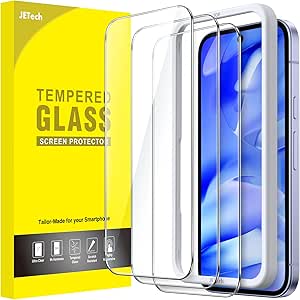
Top Tips for Buying Hydrogel Screen Protectors: Focus on Self-Healing & Fit
When shopping for a hydrogel screen protector like this 2-pack for the iPhone 100, you're choosing a flexible TPU film over traditional tempered glass. These protectors offer unique benefits like self-healing properties for minor scratches and high sensitivity for touchscreens, but they require careful installation and have different durability characteristics than glass.
Key Considerations Before Buying
- Self-healing capability: This product's self-healing feature is a key selling point, but it only works for minor surface scratches, not deep gouges. Test this by checking if the film can recover from light abrasions within 24 hours, as advertised.
- Installation difficulty: Hydrogel films are notoriously tricky to apply without bubbles. Look for products that include a detailed guide or alignment tools, as improper installation can lead to peeling edges or trapped dust that compromises protection.
- Edge adhesion: For the iPhone 100's curved edges, ensure the protector has strong adhesive along the borders. Many users report that cheaper TPU films lift at the edges over time, so check reviews for feedback on long-term adhesion and compatibility with cases.
What Our Analysts Recommend
Quality indicators include a smooth, bubble-free application process, high transparency (HD clear) that doesn't yellow over time, and a responsive touchscreen layer. Also, verify that the protector is specifically designed for the iPhone 100's dimensions and camera cutouts to avoid misalignment.
Screen Protectors Market Context
Market Overview
The screen protector market is increasingly diverse, with hydrogel TPU films gaining popularity as an alternative to glass due to their flexibility and self-healing properties. This segment is growing, especially for users who prioritize shatter resistance and a thinner profile over drop protection, but the market is flooded with low-quality options that peel or yellow quickly.
Common Issues
Common problems include poor edge adhesion on curved screens, bubbles that won't disappear after installation, and reduced touch sensitivity. Users also report that some hydrogel films attract dust and lint during installation, leading to a flawed finish. Durability can be inconsistent, with some protectors needing replacement within months.
Quality Indicators
To identify quality, look for reputable brands that specify the material thickness (e.g., 0.15mm or less for better touch response) and include installation kits. Products with high verified purchase rates and positive feedback on self-healing performance are more reliable. Also, check for certifications like RoHS or compliance with UK standards for safety.
Review Authenticity Insights
Grade B Interpretation
The Grade B rating and 10.00% estimated fake review rate suggest that while most reviews are genuine, there is a notable minority of potentially fabricated feedback. Given the product's 4.25/5 star rating with 105 reviews, and an adjusted rating of 4.00/5, you should approach the highest 5-star reviews with caution, as they might be inflated. The verified purchase status of all reviews is a positive sign, but the presence of fake reviews could skew your perception of its true performance.
Trust Recommendation
You can trust the majority of reviews, but focus on detailed, balanced feedback that mentions specific pros and cons, especially regarding installation and self-healing. Avoid relying solely on overall star ratings; instead, read 3- and 4-star reviews to get a realistic picture of common issues. The authenticity analysis indicates that the product is generally well-received, but the fake rate warrants a healthy skepticism.
Tips for Reading Reviews
When reading reviews for this hydrogel protector, look for comments on installation ease, edge adhesion over weeks, and whether self-healing works as expected. Pay attention to photos or videos in reviews that show the protector applied, as these often reveal real-world results. Also, note any repeated phrases or overly enthusiastic language, which can indicate fake reviews.
Expert Perspective
This 2-pack hydrogel screen protector for the iPhone 100 offers a practical alternative to glass, with its self-healing feature and high sensitivity being standout benefits. Based on the analysis, it has a solid 4.00/5 adjusted rating from verified purchases, suggesting most users are satisfied, but the 10% fake review rate indicates some hype. The flexible TPU material is ideal for those who want a thin, shatter-proof layer, but it sacrifices the scratch resistance and impact protection of tempered glass. Overall, it's a good value for the price, especially for users who prioritize touch response and minor scratch repair over heavy-duty protection.
Purchase Considerations
Weigh the importance of self-healing against the risk of installation issues and the need for periodic replacement. This product is best for users who are patient with application and want a case-friendly protector that doesn't add bulk. If you are prone to dropping your phone or need maximum scratch resistance, consider a glass alternative instead.
Comparing Alternatives
Shoppers should compare this with tempered glass protectors for the iPhone 100, which offer better drop protection but lack flexibility. Also, consider other hydrogel brands with higher review authenticity grades for a more reliable purchase.
![SCL Screen Protector Compatible with Moto G62 Screen Protector Motorola G62 Tempered Glass Film [3-Pack], [Full Coverage, Easy Installation, Bubble-free, 9H Hardness]](https://m.media-amazon.com/images/I/61-6Wkj38JL._AC_SY300_SX300_QL70_ML2_.jpg)
![Lutree for OnePlus 13 Screen Protector, 2+2 Pack TPU Film [Not Glass] + Tempered Glass Camera Lens Film, HD Anti-Scratch, Case Friendly, Bubble-Free Flexible Protector](https://m.media-amazon.com/images/I/719S-Z4H0ZL._AC_SY300_SX300_QL70_ML2_.jpg)
![Teenrpov 3+2 Pieces for Xiaomi POCO X8 Pro Max 5G Protective Film TPU Soft [No Tempered Glass] + Camera Glass Tempered HD Anti-Scratch Screen Protector for POCO X8 Pro Max 5G](https://m.media-amazon.com/images/I/61MzlR3xzLL._AC_SY300_SX300_QL70_ML2_.jpg)