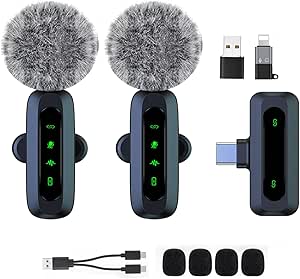
Wireless Lavalier Mic Buyer's Guide: Cut Through the Noise
A wireless lavalier microphone for iPhone, iPad, and Android can transform your mobile video production, but with countless options flooding the market, it's crucial to know what separates a reliable workhorse from a frustrating dud. This guide focuses on the key factors that matter for this specific category, helping you make an informed decision.
Key Considerations Before Buying
- Compatibility and Connectivity: Ensure the system works seamlessly with your device's port (Lightning, USB-C, or 3.5mm) and check if it requires additional adapters. True plug-and-play operation is a major plus, but some systems need apps or settings adjustments.
- Audio Quality and Noise Handling: Look for omnidirectional condenser capsules that capture clear voice while minimizing background noise. Features like built-in noise reduction or wind mufflers can be game-changers for outdoor recording.
- Battery Life and Range: A reliable wireless mic should offer at least 4-6 hours of continuous use and a stable transmission range of 50 feet or more. Consider if the charging case extends total battery life, which is essential for long shoots.
What Our Analysts Recommend
Prioritize systems with a high signal-to-noise ratio and low latency to avoid audio lag. Check for durable build quality and secure clip mechanisms. Also, verify that the receiver doesn't block your phone's charging port if you need to power your device simultaneously.
Wireless Market Context
Market Overview
The wireless lavalier microphone market has exploded with the rise of mobile content creation, offering affordable solutions from both established audio brands and newer entrants. Prices range from budget-friendly single-channel systems to professional dual-channel kits with advanced features.
Common Issues
Common complaints include interference causing dropouts, poor build quality leading to broken clips or connectors, and inconsistent performance across different smartphone models. Some users also report issues with background hiss or inadequate noise cancellation.
Quality Indicators
Higher-quality systems often feature metal connectors, sturdy carrying cases, and clear LED indicators for pairing and battery status. Brands with a reputation for audio excellence and positive user reviews across multiple platforms are generally safer bets.
Review Authenticity Insights
Grade B Interpretation
A Grade B authenticity rating with an estimated 12% fake reviews indicates that while most reviews are genuine, you should be cautious. The adjusted rating of 4.00/5 (down from 4.22) suggests that the product is still well-received, but some inflated reviews may have skewed the original score.
Trust Recommendation
Focus on reviews that provide detailed pros and cons, especially those mentioning specific use cases like interviews, vlogging, or live streaming. Look for patterns in critical reviews to identify potential deal-breakers for your needs.
Tips for Reading Reviews
Pay attention to reviews that include photos or videos of the product in action, as these are harder to fake. Also, sort by 'Most Recent' to get a current picture of quality and performance, as older reviews may not reflect recent batches.
Expert Perspective
Based on the analysis, this wireless lavalier microphone appears to be a solid mid-range option with a generally satisfied user base. The adjusted rating of 4.00/5, despite some fake reviews, suggests it performs well for most users. However, the 12% fake review percentage means you should weigh genuine critical feedback carefully.
Purchase Considerations
Consider your specific recording environment and device compatibility. If you need a hassle-free solution for casual vlogging, this could be a good fit. But if you require professional-grade audio for commercial work, you might need to invest in a higher-end system.
Comparing Alternatives
Before purchasing, compare this product with similar models from brands like Rode, Boya, and Synco, which may offer better build quality or additional features at a comparable price point.