
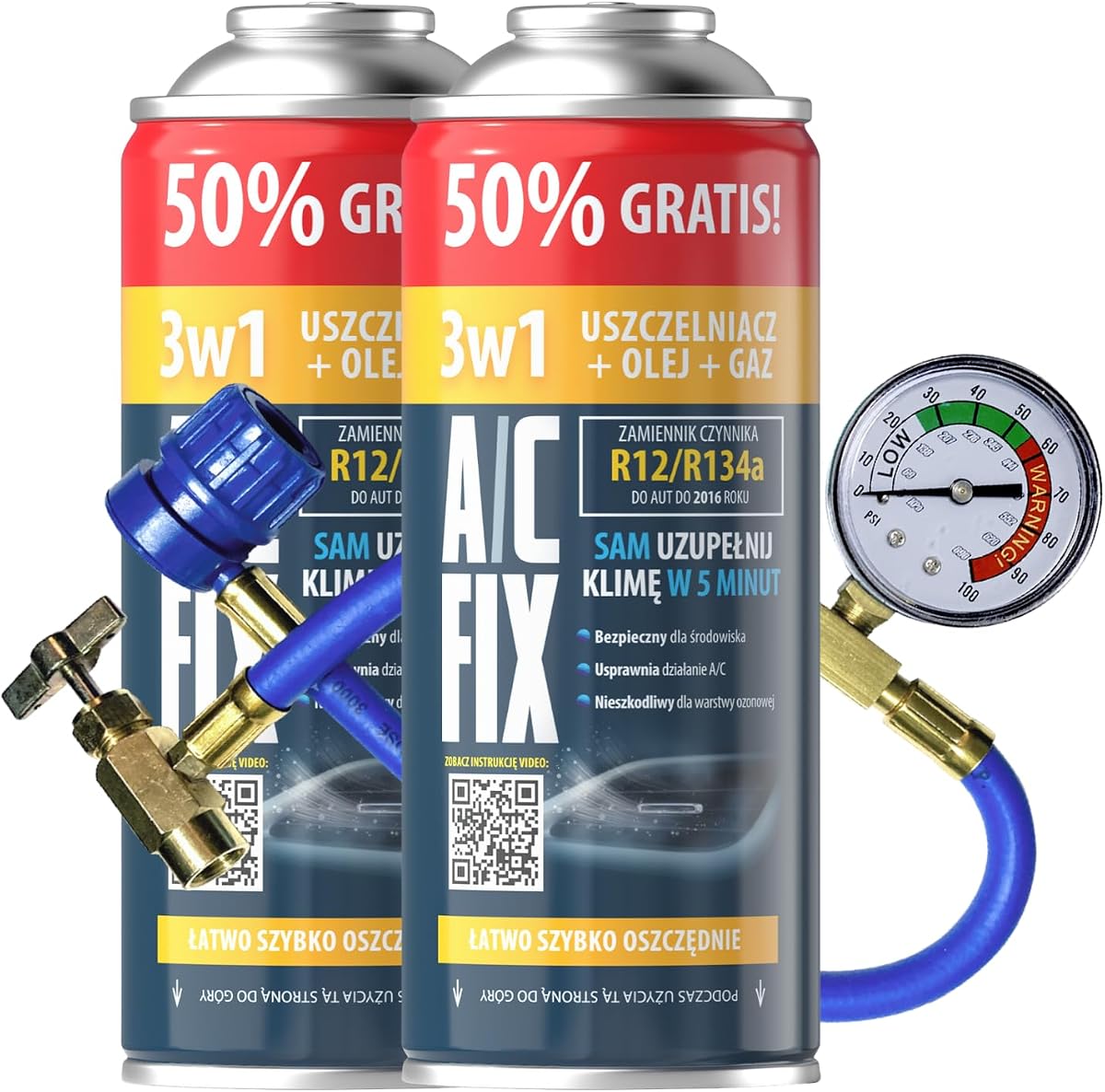
Choosing the Right R134a Refrigerant Kit for Your Car's AC System
When your car's air conditioning loses its cool, a DIY refill with a product like this 3-in-1 R134a gas kit (2x235g) can be a cost-effective solution. However, understanding the specifics of R134a refrigerant and the tools required—such as a pressure gauge—is crucial to avoid overcharging or damaging your system. This guide focuses on what makes a reliable replacement refrigerant kit for automotive AC maintenance.
Key Considerations Before Buying
- Ensure compatibility with your vehicle's AC system: This kit uses R134a, a common refrigerant for cars manufactured between 1994 and 2021, but always check your owner's manual or under-hood label to confirm the correct type, as newer vehicles may use R1234yf.
- Understand the '3-in-1' functionality: A typical 3-in-1 kit includes refrigerant, a stop-leak additive, and a lubricant, which can help with minor seal leaks but may not address larger issues like compressor failure. For this product, the 2x235g cans provide enough charge for most cars, but overuse can damage the system.
- Evaluate the included pressure gauge: The description mentions a pressure gauge, which is essential for monitoring system pressure during refill. A reliable gauge should have clear markings for R134a pressure ranges (typically 25-45 psi on the low side) to prevent under- or overcharging.
What Our Analysts Recommend
Look for kits that include a detailed instruction manual or color-coded hose connections to simplify the process. Quality indicators include a sturdy gauge with a protective case, a secure valve connector that won't leak, and a can with a safety seal to prevent accidental discharge. Avoid products with vague claims about 'universal' compatibility without specifying refrigerant type.
Air Conditioning Tools & Equipment Market Context
Market Overview
The DIY automotive AC recharge market is saturated with R134a kits, driven by the phase-out of older refrigerants like R12 and the growing age of vehicles still using R134a. Many consumers seek affordable solutions to avoid costly mechanic visits, but inconsistent product quality and counterfeit refrigerants remain prevalent, especially in online marketplaces.
Common Issues
Common problems include kits that underperform due to inaccurate pressure gauges, leaky hoses, or non-compliant refrigerant mixtures that don't meet SAE standards. Additionally, overcharging is a frequent mistake, leading to compressor damage, while stop-leak additives can clog the expansion valve if used excessively.
Quality Indicators
High-quality R134a kits typically feature certified refrigerant (meeting AHRI or SAE J639 standards), a robust gauge with a bleeder valve to release excess pressure, and hoses with O-ring seals to prevent leaks. Look for products with clear labeling of net weight (e.g., 235g per can) and batch numbers for traceability.
Review Authenticity Insights
Grade B Interpretation
With a Grade B and an estimated 10% fake review rate, this product shows moderate authenticity concerns. While the majority of reviews appear genuine—often mentioning specific car models and charging pressures—the presence of some potentially fabricated reviews could inflate the overall rating slightly. This suggests caution but not outright dismissal.
Trust Recommendation
Given the 10% fake review rate, focus on verified purchase reviews that describe actual usage, such as how the gauge performed or the exact amount of refrigerant used. Cross-reference negative reviews for recurring issues like leaking cans or faulty gauges, which may indicate batch-specific problems.
Tips for Reading Reviews
For this product type, prioritize reviews that mention specific pressure readings (e.g., 'brought my low side to 35 psi') or vehicle compatibility (e.g., 'worked on my 2010 Honda Civic'). Be wary of overly positive reviews with generic language like 'works great' without details, as these are more likely to be fake.
Expert Perspective
This R134a replacement kit offers a functional solution for topping off car AC systems, backed by a solid 4.11 rating from 387 reviews, with most being genuine. However, the 10% fake review rate and the adjusted rating of 3.90 suggest that while the product generally works, it may have occasional quality control issues, such as inconsistent gauge accuracy or seal failures. The 2x235g size is practical for a single recharge on most vehicles, but users should verify their system's specific charge capacity to avoid waste.
Purchase Considerations
Consider this product if you have a basic understanding of AC systems and need a quick, affordable fix for minor refrigerant loss. However, if your AC has a significant leak or compressor issues, a professional inspection is advised, as stop-leak additives in this kit may only provide a temporary solution. Also, factor in the cost vs. a mechanic's visit—this kit is cost-effective if you're comfortable with the DIY process.
Comparing Alternatives
Shoppers should compare this kit with other R134a options that offer separate refrigerant and stop-leak components, allowing more control over usage. Also, consider products with higher-rated gauges or those that include UV dye for leak detection, which can provide added value.


