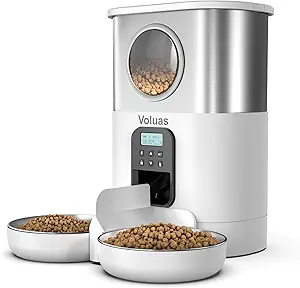
Choosing a refrigerated automatic cat feeder requires balancing cooling technology with reliability
This specific product combines semiconductor cooling technology with wet food dispensing, creating a unique two-in-one solution for cat owners. Buyers should understand that semiconductor cooling differs from compressor refrigeration, offering quieter operation but potentially less cooling power for maintaining wet food freshness.
Key Considerations Before Buying
- Semiconductor cooling systems like this one typically maintain temperatures 15-20°C below ambient, which may not be sufficient for all wet food types in warm environments.
- The 5-meal capacity with refrigeration requires careful planning for multi-day use, as each compartment's cooling effectiveness diminishes when opened repeatedly.
- App-controlled feeders with monitoring features add convenience but introduce potential connectivity issues that could disrupt feeding schedules.
What Our Analysts Recommend
Quality indicators include dishwasher-safe removable parts for cleaning wet food residue, precise temperature control settings in the app, and robust sealing between cooling compartments. Look for detailed information about condensation management, as semiconductor cooling can create moisture issues in food compartments.
Automatic Feeders Market Context
Market Overview
The UK market for refrigerated automatic cat feeders is niche but growing, with semiconductor cooling representing the newer, quieter alternative to traditional compressor units. Products combining wet food dispensing with refrigeration remain relatively uncommon, positioning this as a specialized solution.
Common Issues
Owners frequently report condensation buildup in cooled compartments, inconsistent temperature maintenance, and app connectivity problems disrupting scheduled feedings. Wet food feeders specifically struggle with residue cleanup and portion control accuracy.
Quality Indicators
Superior products feature dual-temperature sensors, detailed condensation management systems, and companion apps with temperature history logs. Look for feeders with transparent cooling performance data rather than vague 'freshness' claims.
Review Authenticity Insights
Grade C Interpretation
The Grade C authenticity rating and 22% estimated fake reviews suggest moderate review manipulation, though the 4.30 adjusted rating indicates generally positive authentic feedback. This pattern often occurs with newer products where manufacturers boost initial visibility.
Trust Recommendation
Focus on reviews discussing specific semiconductor cooling performance, cleaning experiences with wet food residue, and long-term app reliability. Be skeptical of reviews that don't mention temperature consistency or condensation issues.
Tips for Reading Reviews
Prioritize reviews mentioning actual temperature measurements, multi-day usage patterns, and specific cleaning challenges. Look for discussions about portion consistency with wet food, as this differs significantly from dry food dispensing.
Expert Perspective
This product addresses a genuine need for automated wet food feeding with freshness preservation, but semiconductor cooling has inherent limitations. The 4.83/5 rating with only 7 reviews provides limited statistical reliability, though the 4.30 adjusted rating after authenticity filtering suggests satisfactory performance. The two-in-one design represents thoughtful engineering but introduces complexity that could affect long-term reliability.
Purchase Considerations
Consider your cat's wet food preferences and your home's ambient temperature, as semiconductor cooling performs best in climate-controlled environments. Evaluate whether the 5-meal capacity aligns with your absence patterns, remembering that refrigeration effectiveness decreases with each opened compartment.
Comparing Alternatives
Compare this semiconductor model against compressor-based refrigerated feeders and simpler timed wet food dispensers without cooling features.