
Power Bank Buying Guide: Capacity, Speed, and Airline Rules
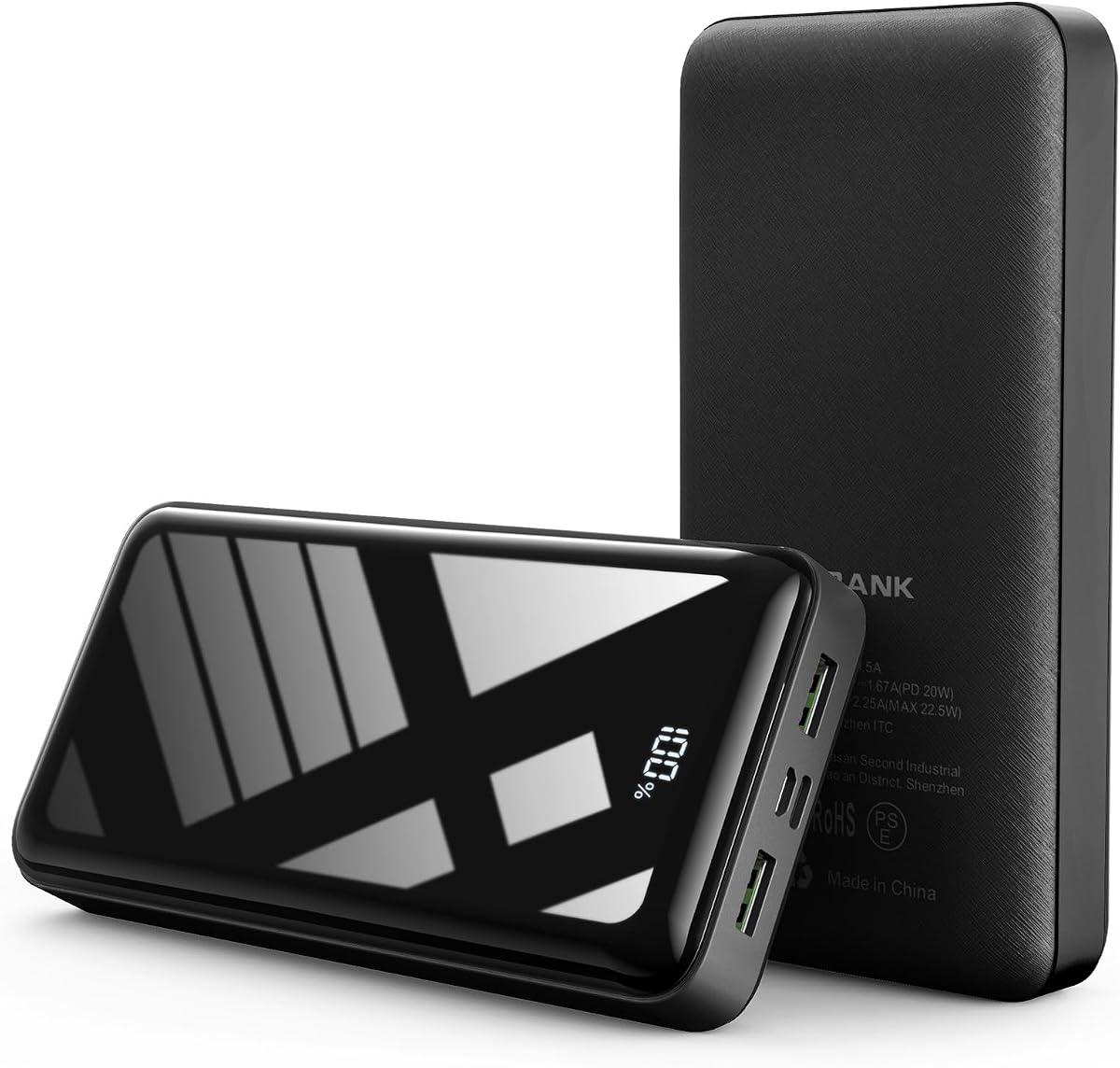
A 27,000mAh power bank with 22.5W fast charging sits in the high-capacity, mid-speed tier of portable chargers. This size is aimed at users who need multiple full phone charges or laptop top-ups, but it comes with trade-offs in weight and air travel eligibility.
Key Considerations Before Buying
- Capacity vs. portability: 27,000mAh typically translates to 5-7 smartphone charges, but the unit will weigh around 500-600g. Check the weight if you plan to carry it daily.
- Charging speed: 22.5W is fast enough for most phones (e.g., Samsung Super Fast Charging at 25W), but not for laptops that require 45W or more. Ensure your device's fast-charging protocol is supported.
- Airline restrictions: Most airlines limit lithium-ion batteries to 100Wh (≈27,000mAh at 3.7V). This power bank is right at the limit, so verify with your airline before flying.
What Our Analysts Recommend
Look for explicit wattage and capacity ratings, not just 'fast charging' claims. Check for USB-C Power Delivery (PD) and Programmable Power Supply (PPS) support to ensure compatibility with your devices. Build quality and safety certifications (CE, RoHS, UL) are also key indicators of a reliable product.
Portable Power Banks Market Context
Market Overview
The portable power bank market is saturated with options ranging from 5,000mAh pocket chargers to 30,000mAh+ stations. Consumers increasingly prioritize fast charging and multi-device compatibility, driving demand for 20W+ USB-C PD models. However, capacity claims can be misleading, as actual usable energy is often 60-70% of the advertised mAh due to voltage conversion.
Common Issues
Common complaints include inflated capacity claims, slow charging speeds, and premature battery degradation. Some power banks also lack proper safety features, leading to overheating or swelling. Additionally, many users are unaware of airline watt-hour limits, resulting in confiscation at security.
Quality Indicators
Quality power banks use reputable battery cells (e.g., LG, Samsung, or high-grade Chinese cells) and include multiple protection circuits (overcharge, overdischarge, short-circuit). They also specify output wattage per port and support standard fast-charging protocols. Certifications like CE, FCC, and RoHS are baseline; UL certification is a stronger safety signal.
Review Authenticity Insights
Grade A Interpretation
With a Grade A authenticity rating and only 5% estimated fake reviews, this product's review pool is highly trustworthy. The adjusted rating of 4.30/5 (down from 4.44) reflects a minor correction for potential outliers, but the large sample size (12,436 reviews) and verified purchase status of most reviews add credibility.
Trust Recommendation
You can generally trust the overall sentiment in these reviews, but still scan for patterns. Focus on reviews that mention specific use cases (e.g., charging a laptop, airline travel) and long-term durability. The high rating suggests most buyers are satisfied, but individual needs vary.
Tips for Reading Reviews
Look for reviews that detail charging performance with specific devices, as compatibility can vary. Pay attention to comments about weight and size, as these are subjective but important for portability. Also, check for mentions of customer service experiences, as they can indicate reliability.
Expert Perspective
This 27,000mAh power bank with 22.5W fast charging offers a solid balance of capacity and speed for the price. The high review count and strong authenticity grade suggest it's a reliable choice for users needing multiple charges on the go. However, its capacity is at the upper limit for airline carry-on, and 22.5W may not suffice for power-hungry laptops. The 4.30 adjusted rating indicates that while most users are happy, some may have encountered issues with capacity or durability.
Purchase Considerations
Consider your primary devices: if you need to charge a laptop, look for 45W+ output. If you frequently fly, check the watt-hour rating (this is ~100Wh). Also, assess whether the weight (likely ~500g) is acceptable for daily carry. Compare the number of ports and their output distribution to ensure simultaneous charging meets your needs.
Comparing Alternatives
Shoppers should compare with similar capacity power banks from brands like Anker, RavPower, or Aukey, which may offer better build quality or additional features like pass-through charging.


