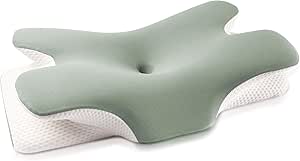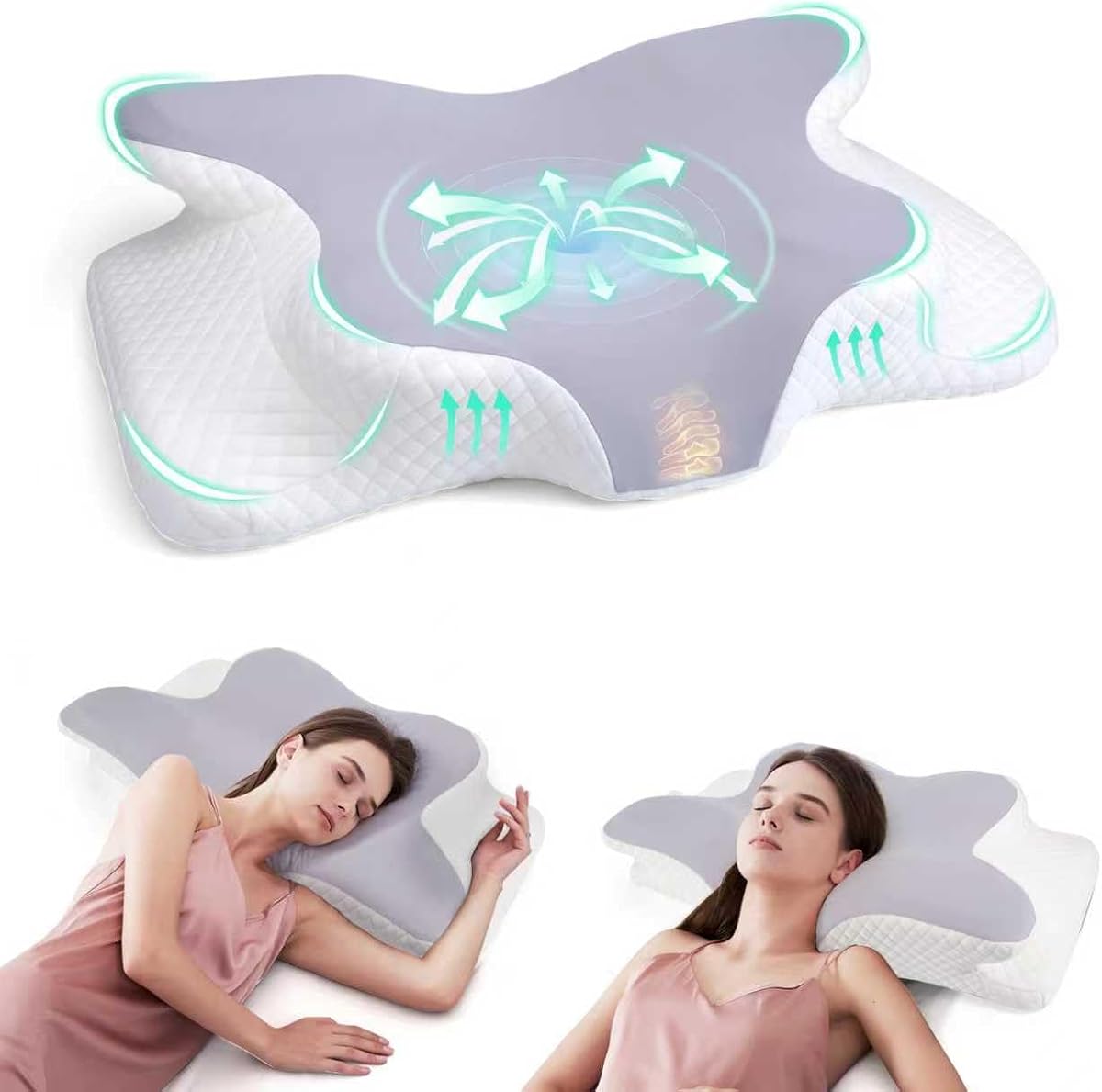
Choosing an Orthopedic Memory Foam Pillow for Side Sleepers with Neck Pain
When selecting an orthopedic cervical pillow like this specific memory foam model designed for side sleepers, buyers should understand that proper neck alignment is paramount. This pillow's contoured shape and firmness level are engineered to maintain cervical spine neutrality, which is crucial for addressing shoulder and neck discomfort during sleep.
Key Considerations Before Buying
- Assess the pillow's contour depth and height relative to your shoulder width; side sleepers typically need a higher loft to fill the space between neck and mattress.
- Consider the memory foam's density and responsiveness; a pillow that's too soft won't provide adequate support, while one that's too firm may create pressure points.
- Evaluate the pillow's breathability and cover material, as memory foam can retain heat, and a removable, washable cover is essential for hygiene with this product type.
What Our Analysts Recommend
Look for specific mentions of the pillow's 'break-in' period, as quality memory foam often requires 24-72 hours to fully expand and may have an initial odor. Genuine reviews for this category frequently detail changes in pain levels over several nights, not just initial comfort.
Neck Pillows Market Context
Market Overview
The cervical pillow market is saturated with products claiming orthopedic benefits, but genuine therapeutic designs are distinguished by specific ergonomic contours and certified materials. This particular model competes in a segment focused on side sleepers, which demands a different profile than pillows designed for back or stomach sleeping.
Common Issues
Common problems include pillows that are too high or too firm for the user's body type, leading to worsened neck pain, and low-quality memory foam that flattens prematurely or sleeps excessively hot. Many users also struggle with the adjustment period to a contoured shape.
Quality Indicators
Quality is indicated by detailed descriptions of foam density (often listed in kg/m³), the presence of a certified ergonomic design, and a cover made from cooling, moisture-wicking fabrics like Tencel or bamboo-derived rayon, which this gray pillow's description suggests it may include.
Review Authenticity Insights
Grade B Interpretation
A Grade B authenticity rating with an 11% estimated fake review rate suggests a generally trustworthy review profile, but advises a degree of scrutiny. For this pillow, it means the overwhelming majority of the 126 reviews are credible, but a small portion may be overly promotional.
Trust Recommendation
Prioritize reading the verified purchase reviews that describe a multi-night adjustment period or specific neck pain outcomes. The adjusted rating of 4.60/5 is a more reliable indicator of genuine customer satisfaction than the raw 4.89/5 score.
Tips for Reading Reviews
Focus on reviews from fellow side sleepers who mention their shoulder width or pre-existing pain conditions. Be wary of reviews that sound like product manual rephrasing or lack personal, experiential details about sleep quality and morning stiffness.
Expert Perspective
The analysis data indicates this is a well-received product with strong genuine satisfaction, particularly for its target audience of side sleepers. The high adjusted rating of 4.60/5, derived from a credible review pool, signals that the pillow's ergonomic design and memory foam construction are effectively meeting user expectations for neck and shoulder pain relief. The 'B' authenticity grade confirms that while not perfect, the feedback landscape is reliable for making an informed decision.
Purchase Considerations
Weigh the pillow's specific contour against your usual sleeping position and any diagnosed cervical issues. Consider that memory foam responds to heat and pressure; your body temperature and weight will influence the firmness and support it provides throughout the night.
Comparing Alternatives
Shoppers should compare this pillow's height and contour shape with other orthopedic models, as a difference of even half an inch can significantly impact spinal alignment.