
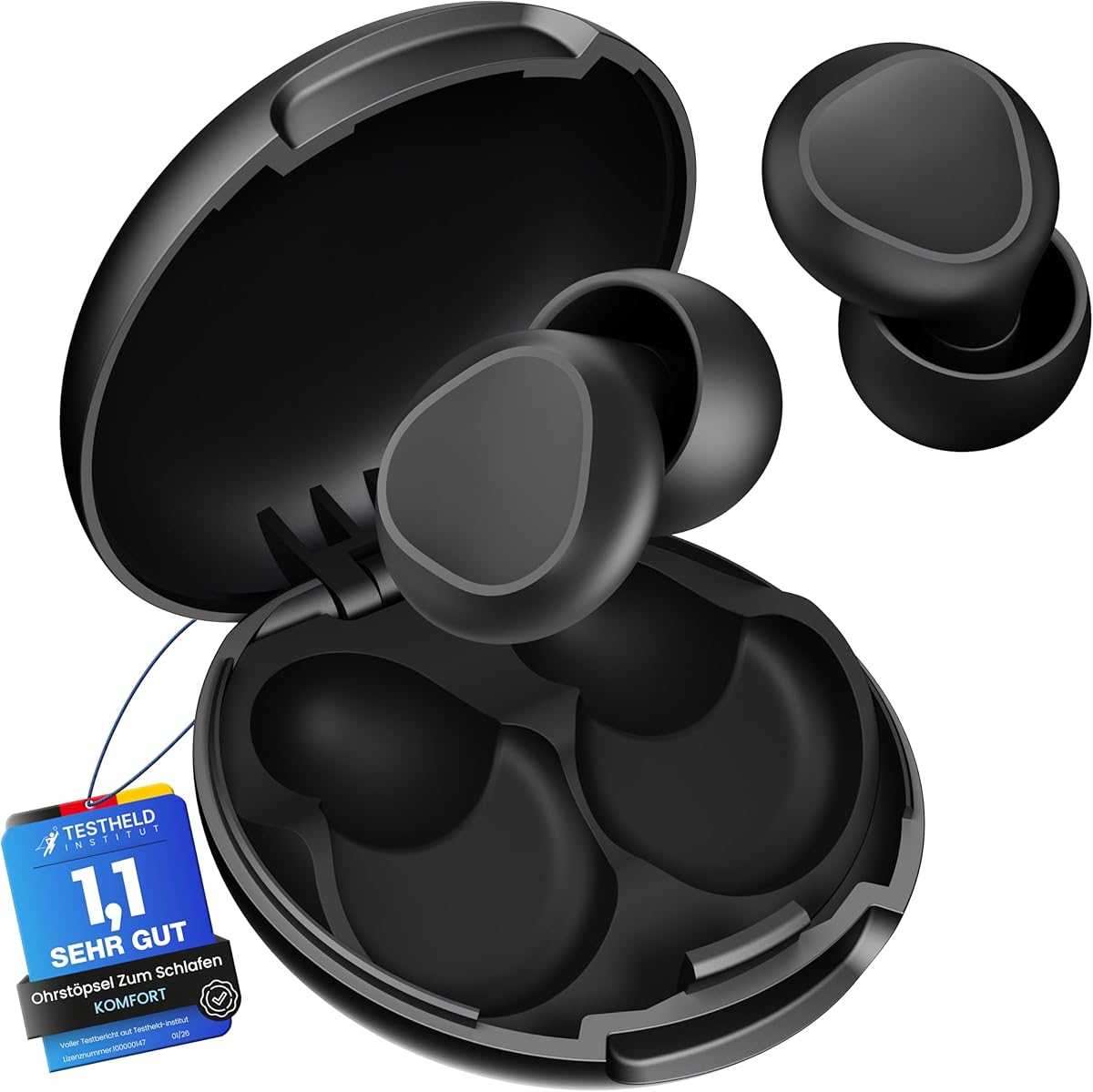
Silence Your Sleep: Expert Tips for Choosing 35dB Lab-Grade Earplugs
For those seeking a profound reduction in noise, laboratory-grade earplugs like this model offer a 35dB sound isolation rating, which is significantly higher than standard foam options. This product's SkinFit™ technology and 4-size fit (XS/S/M/L) aim to solve the common issues of discomfort and poor seal, making it a standout in the sleep aid market.
Key Considerations Before Buying
- Noise Reduction Rating (NRR): At 35dB, this earplug offers extreme isolation, ideal for loud environments like concerts or snoring partners, but may be too isolating for those who need to hear alarms. Verify your needs against the NRR.
- Fit and Comfort: With four sizes from XS to L, this product addresses the critical issue of ear canal variation. A proper seal is essential for performance, so consider if the sizing options match your ear shape.
- Material and Durability: SkinFit™ technology suggests a hypoallergenic, pliable material that maintains shape over time. Look for earplugs that resist hardening and are easy to clean for repeated use.
What Our Analysts Recommend
Quality indicators include verified NRR ratings from independent labs, multiple size options for a customized fit, and materials that are both soft for comfort and firm for a reliable seal. Also, check for washable or reusable designs to ensure longevity.
Ear Plugs Market Context
Market Overview
The earplug market has evolved from basic foam cylinders to advanced, multi-size designs with lab-tested noise reduction, driven by demands from light sleepers, travelers, and musicians. Products now emphasize hypoallergenic materials and scientific fit, with 35dB being near the top of the consumer range.
Common Issues
Many earplugs fail due to poor fit—either too loose (reducing effectiveness) or too tight (causing pain). Users often report that one-size-fits-all models don't accommodate different ear canal shapes, leading to discomfort during prolonged sleep use.
Quality Indicators
High-quality earplugs will have clear, lab-verified NRR ratings, include multiple tip sizes, and use medical-grade or hypoallergenic silicones. Brands that provide detailed fitting guides and have positive user feedback on comfort for all-night wear are more reliable.
Review Authenticity Insights
Grade B Interpretation
A Grade B with an estimated 10% fake review rate indicates that while the majority of reviews are genuine, a small fraction may be incentivized or inauthentic. This is relatively common for products with a 5.00-star average from 29 reviews, but the adjusted rating of 4.80 suggests the core feedback is trustworthy.
Trust Recommendation
You can place reasonable trust in the positive reviews, especially those mentioning specific fit experiences with size XS or L, or detailed comparisons to other earplugs. However, be cautious of overly brief, generic five-star reviews without personal context.
Tips for Reading Reviews
Focus on reviews that describe the user's ear canal shape, sleep position, and noise environment (e.g., 'side sleeper with a snoring partner'). Look for mentions of the SkinFit™ material's comfort after 6+ hours, and any notes on the sizing guide's accuracy.
Expert Perspective
This earplug model demonstrates a strong value proposition with its 35dB NRR, one of the highest available, and a thoughtful 4-size fit system that directly addresses the main failure point of competitors. The Grade B authenticity rating and 4.80 adjusted score suggest that user satisfaction is genuinely high, particularly regarding noise isolation and comfort. The SkinFit™ technology appears to be a legitimate differentiator for all-night wear, though the small review sample (29 total) means long-term durability is less confirmed.
Purchase Considerations
If you struggle with standard foam earplugs falling out or causing ear pain, this product's sizing and material are compelling reasons to try it. However, note that extreme noise reduction may not suit everyone, such as those who need to hear children or alarms. Compare the price per pair with reusable alternatives, as lab-grade earplugs often cost more upfront.
Comparing Alternatives
Shoppers should compare this with other multi-size, high-NRR options like Loop Quiet or custom-molded earplugs, which may offer different comfort profiles or additional features like a carrying case.


