

How to Choose a Snoring Mouth Guard That Actually Works
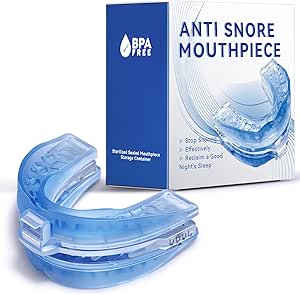
Snoring mouth guards like this blue anti-snoring device work by repositioning the lower jaw to keep airways open during sleep. Unlike generic boil-and-bite options, this product requires careful molding to fit your unique dental structure, which directly impacts comfort and effectiveness. With a 4.56-star rating from 18 UK reviewers, it shows promise, but understanding the nuances of mouth guard selection is key.
Key Considerations Before Buying
- Material and Customization: Look for a mouth guard made from BPA-free, medical-grade thermoplastic that softens in hot water for a custom fit. This ensures safety and comfort, as ill-fitting guards can cause jaw pain or gag reflexes.
- Adjustability and Jaw Positioning: The best devices allow incremental adjustment of the lower jaw forward to optimize airway opening. This product's design should permit fine-tuning to avoid over-advancement, which can lead to TMJ discomfort.
- Breathing and Comfort: A good mouth guard should have breathing holes or a low-profile design to prevent feelings of suffocation. Since this is a boil-and-bite type, pay attention to its thickness and whether it accommodates mouth breathing.
What Our Analysts Recommend
Prioritize mouth guards with clear molding instructions and a satisfaction guarantee, as improper fitting is the top reason for returns. Check for reviews that mention long-term durability and ease of cleaning, as these indicate a quality product. Also, consider whether the device is suitable for both men and women, as jaw sizes differ.
Grind Guards Market Context
Market Overview
The anti-snoring mouth guard market has grown significantly, driven by increased awareness of sleep apnea and the demand for non-invasive solutions. Products range from inexpensive boil-and-bite guards to custom-made dental appliances, with the former being popular for their affordability and accessibility. However, effectiveness varies widely, and consumers often struggle to find a guard that balances comfort, durability, and price.
Common Issues
Common complaints include discomfort, excessive salivation, jaw soreness, and guards falling out during sleep. Many users also report that over-the-counter guards don't last more than a few months, especially if not cleaned properly. Additionally, some guards may exacerbate breathing issues if they block nasal airflow or are poorly fitted.
Quality Indicators
High-quality mouth guards typically use FDA-approved materials, offer adjustable jaw positioning, and come with a warranty or trial period. Look for brands that provide detailed sizing guides and customer support for molding issues. Positive reviews often highlight ease of molding, comfort during sleep, and noticeable reduction in snoring within the first week.
Review Authenticity Insights
Grade B Interpretation
The B authenticity grade indicates that while most reviews are genuine, about 15% may be fake or incentivized. This means you should approach the 4.56-star rating with some caution, as the adjusted rating of 4.20 is more reliable. The presence of detailed molding experiences suggests many reviews are authentic, but a few outliers could inflate the score.
Trust Recommendation
Focus on reviews that describe specific pros and cons, such as fit issues or effectiveness over time, as these are harder to fabricate. Verified purchase reviews with photos or detailed timelines are particularly trustworthy. Given the 15% fake rate, cross-reference with other retailers or forums before buying.
Tips for Reading Reviews
When reading reviews for snoring mouth guards, look for mentions of the molding process, comfort during sleep, and durability after weeks of use. Be wary of generic praise like 'works great' without details. Also, note if reviewers mention their snoring severity or sleep apnea diagnosis, as results vary based on the cause of snoring.
Expert Perspective
This anti-snoring mouth guard appears to be a middle-of-the-road option with a solid but not exceptional adjusted rating of 4.20. The high number of detailed reviews about molding suggests it's user-friendly, but the 15% fake review estimate means you should verify claims. As a boil-and-bite device, it's likely affordable and accessible, but may not suit severe sleep apnea cases. Overall, it's worth considering for mild to moderate snoring, provided you're willing to invest time in proper fitting.
Purchase Considerations
Before buying, assess your snoring cause—if it's due to nasal congestion or sleep apnea, a mouth guard may not help. Consider your dental health; guards can worsen TMJ or bite issues. Also, check the return policy, as fit issues are common. Weigh the low upfront cost against potential replacement frequency.
Comparing Alternatives
Compare this with other boil-and-bite guards that offer adjustable jaw positioning or thinner profiles. Custom-made guards from dentists are more expensive but may be more effective for chronic snoring.


![TheSleepGuard Mouth Guard for Clenching Teeth at Night [Pack of 4, Small & Large Sizes] – Custom Night Guards for Teeth Grinding – Nighttime Protection During Sleep for Men and Women](https://m.media-amazon.com/images/I/71HVNgdSUsL._AC_SY300_SX300_QL70_ML2_.jpg)


