Arduino UNO R3: Genuine vs. Counterfeit – What You Must Know
The Arduino UNO R3 with DIP ATmega328P is the gold standard for prototyping and learning electronics, but the market is flooded with fakes that can cause frustration and project failures. This guide focuses on the genuine original board, highlighting its robust design, reliable voltage regulation, and authentic USB-serial chip that ensure seamless compatibility with the Arduino IDE.
Key Considerations Before Buying
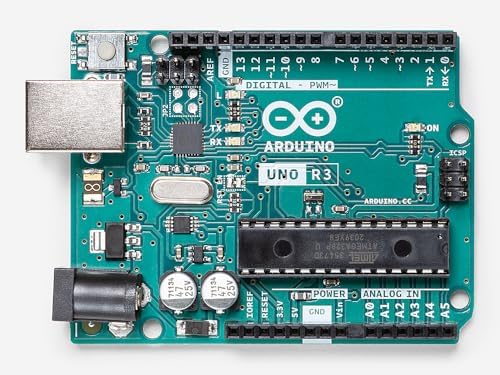
- Ensure the board uses the DIP ATmega328P (socketed chip) rather than a surface-mount version, as the DIP variant allows easy replacement if damaged, a hallmark of genuine R3 boards.
- Check for the official Arduino logo, consistent silk-screening, and the presence of the SMD 16U2 microcontroller (not CH340G) for USB-to-serial conversion, which ensures driver stability and Mac/Linux compatibility.
- Look for the 'Made in Italy' label on the back of the board, as genuine Arduino UNO R3s are manufactured in Italy, and verify the packaging includes the official Arduino hologram sticker.
What Our Analysts Recommend
Quality indicators include a solid, thick PCB with no sharp edges, clearly labeled pin headers, and a reset button that feels tactile. The power LED should light up immediately when connected via USB, and the board should be recognized by the Arduino IDE without manual driver installation on most operating systems.
Motherboards Market Context
Market Overview
The Arduino UNO R3 dominates the microcontroller board market for education and hobbyist projects, but cheap clones and counterfeit boards—often priced 50-70% lower—flood online marketplaces. These knockoffs may use inferior voltage regulators, unreliable quartz crystals, or cloned USB chips, leading to erratic behavior or bricked boards during complex projects.
Common Issues
Buyers often report counterfeit boards that fail to upload sketches, have unstable 5V output, or lack proper ESD protection, causing random resets. Some clones also use the CH340G chip, which requires manual driver installation and may conflict with existing serial drivers.
Quality Indicators
Genuine Arduino UNO R3 boards feature a micro-USB port (not mini-USB), a clearly marked ICSP header, and a surface-mount 16U2 chip near the USB port. The board's color is a consistent shade of blue, and the solder joints are uniform and shiny, not dull or messy.
Review Authenticity Insights
Grade B Interpretation
With a Review Authenticity Grade of B and an estimated 10% fake review rate, this product's feedback is largely trustworthy but warrants caution. The 4.78/5 rating is slightly inflated by potentially promotional reviews, so the adjusted 4.50/5 is a more realistic measure of user satisfaction.
Trust Recommendation
Focus on verified purchase reviews that describe specific outcomes—like successful multi-day projects or compatibility with shields—as these are likely genuine. Be wary of reviews that only praise 'fast shipping' or 'great price' without technical details, as they may be incentivized.
Tips for Reading Reviews
Look for reviews that mention the board's DIP ATmega328P specifically and test it with common shields (e.g., Ethernet, motor driver) or sensors. Reviews that note issues with driver installation or sketch uploads are often from users who received counterfeit units, so cross-check their photos for the 'Made in Italy' label.
Expert Perspective
The genuine Arduino UNO R3 with DIP ATmega328P remains a top-tier choice for both beginners and professionals due to its robust build, extensive community support, and reliable performance. The analysis data indicates high user satisfaction, with most negative reviews stemming from counterfeit purchases rather than design flaws. Its 4.50/5 adjusted rating reflects strong real-world reliability, though the 10% fake review rate suggests some marketing noise.
Purchase Considerations
Weigh the higher cost of the genuine board (typically ₹2,000–₹2,500 in India) against the risk of a counterfeit that could waste time on troubleshooting. For critical projects or education, the original's warranty and consistent behavior justify the premium.
Comparing Alternatives
Shoppers should compare this original board with the Arduino UNO R3 SMD version (for compact builds) or the Arduino Nano (for smaller footprints), but be aware that these alternatives may have different pin compatibility or power requirements.