
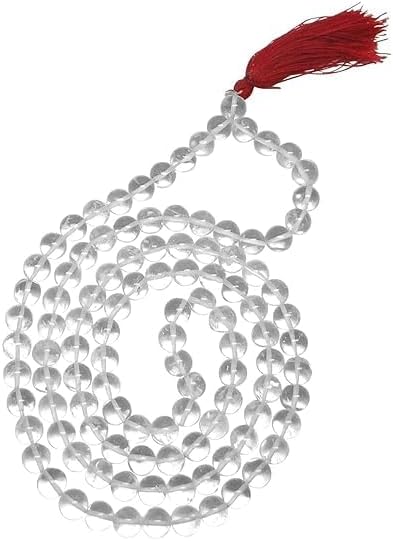
Choose a Natural Sphatik Mala: Certification, Bead Quality, and 108+1 Count
When shopping for a Sphatik (rock crystal) jaap mala, especially one marketed for astrological benefits, the primary concerns are authenticity, bead quality, and the correct 108+1 bead count. This guide helps you evaluate the Arihant Gems and Jewels offering, focusing on what distinguishes a natural, effective mala from a synthetic or poorly crafted alternative.
Key Considerations Before Buying
- Verify the 108+1 bead count: A genuine jaap mala must have 108 beads plus the meru (guru) bead. Count the beads upon arrival and ensure the meru bead is present and distinct.
- Check for natural crystal clarity: Natural sphatik is typically clear with slight internal inclusions; perfectly uniform, bubble-free beads may indicate glass or synthetic material. Look for a natural, cool-to-touch feel.
- Assess the thread and knotting: A durable, double-threaded construction with secure knots between each bead prevents breakage during daily japa and ensures the mala withstands regular use.
- Confirm certification: Since the product claims 'Natural & Certified,' look for a certificate of authenticity from a recognized gemological lab. This is crucial for astrological purposes where natural origin is believed to matter.
- Consider the bead size and weight: The mala should be comfortable to hold and rotate during chanting. Check the bead diameter (typically 6-8 mm) and weight to ensure it suits your hand size and preference.
What Our Analysts Recommend
Quality indicators include the presence of a certificate, uniform bead size and shape, a smooth polished surface, and a secure meru bead. Natural sphatik has a vitreous luster and may show tiny cracks or inclusions, which are signs of genuineness. Also, look for a mala that comes in a protective box or pouch to prevent damage during transit.
Prayer Beads Market Context
Market Overview
The market for astrological gemstone malas in India is vast and growing, with numerous online sellers offering products ranging from genuine natural stones to cheap imitations. Sphatik (quartz) is popular for its purported calming and focusing properties, often used for meditation and japa. However, the lack of standardized quality control makes consumer vigilance essential.
Common Issues
A frequent problem is the sale of glass or synthetic quartz as 'natural sphatik,' especially at low price points. Other issues include incorrect bead counts (missing the meru bead), poor knotting that leads to breakage, and misleading 'certification' that may not come from a reputable lab. Buyers also report that beads can be chipped or have rough edges.
Quality Indicators
To identify a quality product, look for a seller who provides a certificate from a recognized gem testing laboratory. Natural sphatik will have a slightly uneven temperature and may have minor inclusions. A well-made mala will have a consistent bead size, smooth finish, and a secure, flexible thread. Reviews that mention the product's weight and feel can also be useful.
Review Authenticity Insights
Grade B Interpretation
The Grade B rating and estimated 15% fake review percentage suggest that while most reviews are genuine, a notable minority may be incentivized or inauthentic. This is common for products in this category, where sellers often seek to boost ratings. You should read reviews critically, focusing on detailed, balanced comments rather than overly positive or generic ones.
Trust Recommendation
Given the 3.78/5 rating (adjusted to 3.50/5 when suspicious reviews are removed), it's wise to temper expectations. The product may not be flawless, but it likely meets basic functionality. Look for reviews that mention specific aspects like bead quality, thread strength, and certification, as these are more trustworthy than simple 'good product' statements.
Tips for Reading Reviews
When reading reviews for this mala, pay attention to photos uploaded by buyers—they can reveal the actual bead clarity and color. Also, note any reviews that mention the certificate's details or the seller's responsiveness. Be wary of reviews that use similar language or are overly promotional. The presence of a few negative reviews that discuss specific defects is actually a good sign of authenticity.
Expert Perspective
The Arihant Gems and Jewels Sphatik Jaap Mala appears to be a functional product for its intended purpose, with a moderate rating that reflects a mix of satisfaction and occasional quality issues. The 15% fake review estimate indicates some marketing noise, but the core product likely delivers a natural crystal mala with the correct bead count. The adjusted rating of 3.50/5 suggests that average performance is below stellar, so potential buyers should not expect premium quality at a budget price.
Purchase Considerations
Weigh the product's price against the value of a certified natural sphatik mala. If you require a mala for serious astrological or meditation practice, invest in one with verifiable certification and good reviews. If you are buying for casual use, this might be an acceptable option, but be prepared to check the quality upon arrival and possibly return if it does not meet standards.
Comparing Alternatives
Shoppers should compare this product with other sphatik malas from established jewelers or specialty stores that offer a clearer return policy and more transparent certification. Reading reviews across multiple sellers can also provide a baseline for what to expect in terms of quality and price.


