
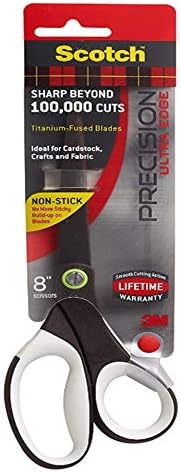
5 Key Factors to Consider Before Buying Non-Stick Scissors for Crafting
When shopping for non-stick scissors like the Scotch Non-Stick Scissor, the primary benefit is the ability to cut through adhesive materials like tape, stickers, and glue without residue buildup. This specific model is designed for precision work in art and craft projects, so understanding its ergonomics and blade coating is crucial. The dark brown color isn't just aesthetic—it often indicates a coated blade that resists sticking and corrosion.
Key Considerations Before Buying
- Blade coating quality: The non-stick coating on scissors like the Scotch model must be durable enough to withstand repeated use with adhesives without peeling or wearing off, which could lead to sticky residue. Look for specifications on the coating material, often Teflon or a similar polymer.
- Ergonomics and comfort: Since crafts often involve prolonged cutting, the handle design—such as soft grips or an asymmetrical shape for right or left-handed users—directly impacts fatigue. The Scotch Non-Stick Scissor's handle should be evaluated for comfort during extended use.
- Blade sharpness and material: Stainless steel blades with a non-stick coating need to maintain sharpness for clean cuts through paper, fabric, or tape. Dull blades can fray edges, so check for high-carbon stainless steel construction.
What Our Analysts Recommend
A quality non-stick scissor should have a seamless, bubble-free coating that covers the entire blade edge. The pivot screw should be adjustable to maintain tension, and the overall weight should feel balanced in your hand. Additionally, look for a design that minimizes friction between blades, as this enhances cutting efficiency and longevity.
Scissors Market Context
Market Overview
The scissors market in India is saturated with budget options, but non-stick varieties are niche, catering to artists, scrapbookers, and office workers who frequently handle adhesive materials. Brands like Scotch dominate this segment due to their reputation for durability, but many generic alternatives lack consistent coating quality. The demand for ergonomic, non-stick models has grown as DIY crafting gains popularity.
Common Issues
A frequent problem with non-stick scissors is coating degradation after a few months, leading to stickiness and rust on the blades. Users also report that some models have loose pivot screws that require frequent tightening, while others have handles that cause blisters during long cutting sessions. Additionally, counterfeit products with poor coatings can damage materials.
Quality Indicators
High-quality non-stick scissors typically feature a full-length coating (not just on the edge), a robust pivot mechanism (e.g., a screw that can be adjusted with a tool), and handles made from thermoplastic rubber for grip. Brands with clear manufacturing details and warranty information are more reliable than unbranded options.
Review Authenticity Insights
Grade B Interpretation
A Grade B authenticity rating with a 15% estimated fake review percentage suggests that while the majority of feedback is genuine, a noticeable minority (about 1 in 7 reviews) may be fabricated. For the Scotch Non-Stick Scissor, this could mean some reviews exaggerate performance or longevity, but the core consensus on its non-stick capability and ergonomics is likely trustworthy. The high adjusted rating of 4.40/5 reinforces that even after filtering, the product holds up.
Trust Recommendation
Given the 15% fake review rate, focus on reviews that include specific usage details, such as 'cutting double-sided tape for scrapbooking' or 'after 6 months of use, the coating is still intact.' Verified purchase tags are a strong signal, but also look for reviews with photos or videos showing the scissors in action. Ignore overly vague or overly promotional reviews that lack context.
Tips for Reading Reviews
For scissors, prioritize reviews that mention materials cut (e.g., cardstock, vinyl, or fabric) and the duration of use. Be wary of reviews that only praise the 'non-stick' feature without discussing blade sharpness or handle comfort, as these may be fake. Cross-reference negative reviews for common complaints about coating wear or pivot looseness to gauge long-term reliability.
Expert Perspective
The Scotch Non-Stick Scissor earns a strong adjusted rating of 4.40/5, indicating it is a reliable choice for crafters needing adhesive-resistant cutting. With a B grade for authenticity, the product's performance is largely validated by genuine user experiences, particularly its ability to cut through tape without residue. However, the 15% fake review rate warrants caution—focus on detailed reviews that describe real-world use. The dark brown model likely offers the same coating quality as other colors, so aesthetics shouldn't drive the purchase.
Purchase Considerations
If you frequently work with sticky materials like labels, duct tape, or glue sticks, this scissor is a solid investment due to its proven non-stick performance. However, if you need heavy-duty cutting for thick materials, consider whether the blade length (typically 8 inches) and coating thickness meet your demands. The price point is moderate for a specialized tool, so weigh it against the cost of replacing cheaper scissors that may gum up quickly.
Comparing Alternatives
Shoppers should compare this Scotch model with other non-stick options from brands like Fiskars or Westcott, which offer similar coatings but different ergonomics. Check for differences in handle design and warranty length to find the best fit for your hand size and cutting frequency.


