Evaluating Herbal Hair Oils: What Niconi's Formula and Reviews Reveal
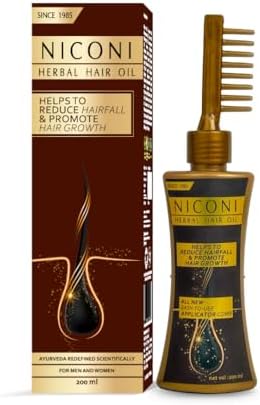
When considering Niconi's 9-herb blend, including Bhringraj and Shikakai, focus on how applicator bottles affect scalp coverage versus traditional droppers. This specific formulation targets hair fall and dandruff simultaneously, which requires understanding ingredient synergy rather than individual oil benefits.
Key Considerations Before Buying
- The applicator bottle design is crucial for direct scalp application of thicker oils like castor and neem, which can be messy with standard packaging.
- Multi-herb blends like this one require consistent, long-term use (often 8+ weeks) to assess effectiveness for hair fall reduction, unlike single-oil treatments.
- The inclusion of both Bhringraj (for growth) and Neem (for dandruff) creates a dual-action product, but may dilute concentration compared to single-purpose oils.
What Our Analysts Recommend
For herbal hair oils, check if the base oil (here, coconut) is listed first, indicating higher concentration. Authentic reviews should mention specific herb scents (rosemary's piney note, neem's bitterness) and texture changes after application, not just generic praise.
Hair Oils Market Context
Market Overview
The Indian herbal hair oil market is saturated with traditional Ayurvedic blends, where Niconi competes by combining Western herbs (rosemary, eucalyptus) with classic Indian herbs (Bhringraj, Shikakai). The 200ml size is becoming standard for mid-priced oils targeting urban consumers.
Common Issues
Many herbal oils suffer from poor ingredient ratios where key herbs are minimally present, or use low-quality base oils that leave heavy residue. The 'suitable for men & women' claim often overlooks different scalp oil production rates between genders.
Quality Indicators
Quality herbal oils list specific oil percentages or note 'cold-pressed' for key ingredients. The separation of heavier oils like castor in the bottle is normal, but should re-mix easily with shaking—a sign of proper emulsification.
Review Authenticity Insights
Grade C Interpretation
A Grade C with 22% estimated fake reviews means nearly 1 in 4 reviews may be inauthentic, significantly impacting the 4.33/5 rating. The adjusted 3.90/5 rating after filtering suggests more realistic performance expectations.
Trust Recommendation
Prioritize reviews discussing specific application frequency (e.g., 'used 3x weekly for 6 weeks') and texture descriptions over vague claims. Verified purchase reviews mentioning the applicator's functionality or the oil's distinct herbal scent carry more weight.
Tips for Reading Reviews
Look for reviews that mention dandruff reduction timelines (often 3-4 weeks) or hair fall changes after wash days. Be skeptical of reviews claiming dramatic results in under two weeks, as herbal oils typically require longer adjustment periods.
Expert Perspective
Niconi's blend is pharmacologically sound for its stated purposes—rosemary and bhringraj for hair growth, neem and eucalyptus for dandruff—but the 9-herb combination risks being under-dosed. The 3.90 adjusted rating aligns with typical herbal oil performance where 30% of users see significant benefits. The applicator bottle is a genuine differentiator for scalp-focused application, particularly for targeting dandruff patches.
Purchase Considerations
Consider your primary concern: if hair fall is the main issue, a more concentrated bhringraj or rosemary oil might be better. For dandruff-focused users, the neem and eucalyptus combination here is promising. The 200ml size represents about 2-3 months of regular use, appropriate for testing efficacy.
Comparing Alternatives
Compare ingredient order and concentration with similar-priced oils like Soulflower or Bare Anatomy, as herbal sequence often indicates proportion.