
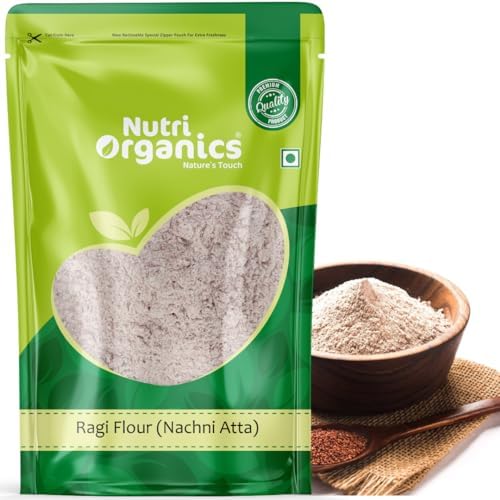
Unpolished Ragi Flour: Why NutriOrganics' 1.5kg Pack Stands Out
When shopping for finger millet flour, also known as nachni atta or kelvaragu flour, the term 'unpolished' is key—it means the grain retains its bran and germ, preserving natural nutrients like calcium and protein. NutriOrganics' 1.5kg pack offers a 100% natural option that's ideal for making rotis, porridge, or baby food, but you need to know what sets quality ragi flour apart from refined versions. This guide helps you evaluate factors like texture, freshness, and packaging to ensure you're getting a product that delivers on its nutritional promises.
Key Considerations Before Buying
- Check for 'unpolished' or 'whole grain' labels—NutriOrganics specifies unpolished ragi, which means it hasn't been stripped of fiber-rich layers, offering higher calcium and protein content compared to polished varieties.
- Consider the grind consistency for your intended use: finer flour works better for soft rotis or baby porridge, while coarser grinds suit traditional recipes like mudde (dumplings). NutriOrganics' flour is often praised for its smooth texture in reviews.
- Look at packaging size relative to consumption—1.5kg is a practical family size for regular use, but ragi flour can go rancid if stored improperly, so ensure it's in an airtight bag or transfer it to a container after opening.
What Our Analysts Recommend
Quality ragi flour should have a uniform, earthy color without any off-odors or clumps, indicating freshness. Authentic unpolished flour may have slight speckles from bran particles, which is a positive sign of minimal processing. Also, verify the source—Indian-grown ragi is often preferred for its traditional cultivation methods, and NutriOrganics' product aligns with this standard.
Ragi Market Context
Market Overview
The Indian ragi flour market has seen a surge in demand due to growing awareness of millet-based nutrition, with brands like NutriOrganics competing alongside local kirana store options. Consumers increasingly seek 100% natural, additive-free products, but the category faces challenges with inconsistent quality—some brands mix polished flour or add preservatives to extend shelf life. This makes third-party certifications and transparent labeling critical differentiators.
Common Issues
A frequent concern with ragi flour is bitterness or a stale taste, often caused by poor storage or old grains. Another issue is texture variability—some products are too coarse for baby food or too fine for traditional rotis, leading to user dissatisfaction. Additionally, fake or exaggerated health claims (e.g., 'rich in calcium') without nutritional backing can mislead buyers.
Quality Indicators
Look for flour that is stone-ground or minimally processed, as this retains natural oils and nutrients. A 4.5+ star rating from hundreds of reviews, as seen with NutriOrganics, often signals consistent quality, but cross-check for freshness seals or packaging dates. For ragi, smaller batches or direct-from-farm sourcing typically yield better taste and nutrition.
Review Authenticity Insights
Grade B Interpretation
The Grade B rating and 10.00% estimated fake review rate suggest that while the majority of NutriOrganics Ragi Flour reviews are genuine, a small fraction may be incentivized or artificial. This is typical for popular grocery items on Amazon India, where brands sometimes boost initial ratings. The 4.56/5 overall rating drops slightly to 4.30/5 when adjusted, indicating that the fake reviews likely skew positive but don't dramatically inflate the product's true standing.
Trust Recommendation
Given the high adjusted rating and authentic signals like personal usage details (e.g., for baby weaning or diabetes management), you can trust that most buyers are satisfied. However, be cautious of overly glowing reviews with generic language—focus on those that describe specific experiences, like 'made soft rotis' or 'good for my toddler.' The 10% fake rate is manageable but warrants a quick scan of recent reviews for consistency.
Tips for Reading Reviews
When evaluating ragi flour reviews, prioritize those that mention texture, taste, and how the flour performs in specific recipes (e.g., 'no bitterness in porridge'). Look for balanced feedback—some users may note slight variations in grind or freshness—as these are more credible than 5-star rants. Also, check for verified purchase tags and ignore reviews that sound like advertisements.
Expert Perspective
NutriOrganics Unpolished Ragi Flour emerges as a solid choice for health-conscious consumers, backed by a strong 4.56/5 rating and clear authenticity markers like personal usage stories. The 10% fake review rate is within acceptable bounds for this category, and the product's focus on unpolished, natural milling aligns with current dietary trends favoring whole grains. However, the slight dip to 4.30/5 after adjustment suggests room for improvement in consistency—perhaps in grind uniformity or freshness across batches.
Purchase Considerations
If you prioritize calcium-rich, protein-packed flour for daily use—especially for rotis, porridge, or baby food—this product is a reliable option given its high adjusted rating and genuine user base. Weigh the 1.5kg size against your consumption rate; if you use ragi sparingly, opt for a smaller pack to avoid staleness. Also, compare prices with local brands or bulk options to ensure value for money.
Comparing Alternatives
Shoppers should compare NutriOrganics with other unpolished ragi flours like those from 24 Mantra or Organic India, which also emphasize natural processing and have similar ratings. Check for differences in grind size, packaging, and price per kg to find your best fit.


