
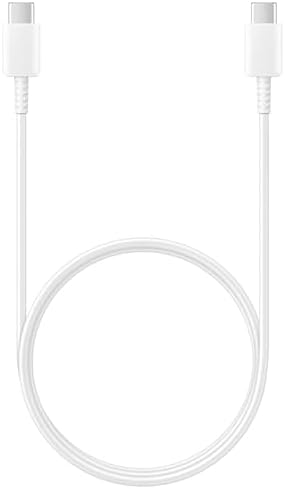
Choosing a Samsung-compatible USB-C cable: What this Sounce cable listing reveals
The Sounce Type C to Type C cable listing highlights a common market trend: cables marketed with extensive device compatibility lists, specifically targeting Samsung's A, F, M, and S series. Buyers should understand that 'compatible with' doesn't guarantee optimal charging speeds or data transfer rates for every listed device, as performance depends on the cable's actual power delivery (PD) and USB specifications, which are notably absent from this product title and description.
Key Considerations Before Buying
- This cable's marketing emphasizes 'SuperFast Transfer,' but without stated USB specifications (e.g., USB 2.0, 3.2 Gen 1, or 3.2 Gen 2), its actual data transfer speed is unknown and likely limited for a budget cable.
- The extensive Samsung model list (A54, S24, etc.) suggests a focus on compatibility, but true 'SuperFast Charging' for Samsung devices requires support for PPS (Programmable Power Supply) protocol, which is not mentioned.
- With a 0.00 rating and no reviews, this product carries inherent uncertainty regarding its build quality, durability, and real-world performance compared to its claims.
What Our Analysts Recommend
For a cable like this, scrutinize the product description or images for the USB standard (e.g., USB 2.0 vs 3.1) and power rating (e.g., 60W, 100W). Look for mention of E-Marker chips for high-power delivery and braided nylon construction for strain relief, as these are tangible quality indicators missing from the available listing data.
USB Cables Market Context
Market Overview
The Indian USB-C cable market is saturated with brands like Sounce offering aggressively priced cables with broad compatibility claims. Many compete on listing prominent phone models rather than transparent technical specifications, creating a gap between marketing and measurable performance.
Common Issues
Common problems include cables that charge slowly despite 'fast charging' labels, fragile connectors that fail within months, and data transfer speeds far below modern device capabilities due to the use of older, cheaper USB 2.0 internals within a USB-C shell.
Quality Indicators
Reliable cables specify their maximum wattage (e.g., 65W for laptop charging), data protocol (USB 3.2 Gen 2 for 10Gbps), and include quality assurances like nylon braiding, reinforced stress points, and certification logos (USB-IF certification is a gold standard).
Review Authenticity Insights
Grade B Interpretation
An 'U' (Unrated) Authenticity Grade and 0.00% estimated fake reviews mean there is no review history to analyze. This is common for new listings or products with zero sales, but it provides zero social proof and no user-generated data on performance or defects.
Trust Recommendation
Given the lack of reviews, you must rely entirely on the seller's provided information and return policy. Treat all performance claims ('SuperFast') with skepticism until independent verification exists. Consider this a higher-risk purchase compared to cables with established review histories.
Tips for Reading Reviews
For cables, prioritize reviews that mention long-term durability (3+ months of use), charging speed consistency with specific adapters (e.g., '25W Samsung charger'), and data transfer tests. Be wary of reviews that only praise packaging or immediate functionality.
Expert Perspective
The Sounce cable presents a classic 'buyer beware' scenario. Its marketing leans heavily on device compatibility—a key concern for Samsung users—but omits the technical specifications necessary to verify its 'SuperFast' claims. The complete absence of ratings and reviews (0.00/5) means there is no community feedback on its real-world lifespan or performance consistency, which is critical for a wear-and-tear accessory. In the cable category, a blank slate is often riskier than a product with mixed but detailed reviews.
Purchase Considerations
Weigh the low price against the potential cost of a replacement if the cable fails prematurely. If your primary need is reliable fast charging for a listed Samsung device like the S24, confirm the seller's return policy and be prepared to test the cable's charging speed with a wattage meter or app upon arrival. This product may suit a secondary, low-risk charging scenario but is not advisable as a primary cable for critical use without further verification.
Comparing Alternatives
Shoppers should compare this listing's price and claims against established brands like AmazonBasics, Belkin, or Anker, which typically provide clear specifications and have extensive review histories on platform.


