Kanjivaram vs Banarasi: Decoding Sugathari's Hybrid Silk Saree
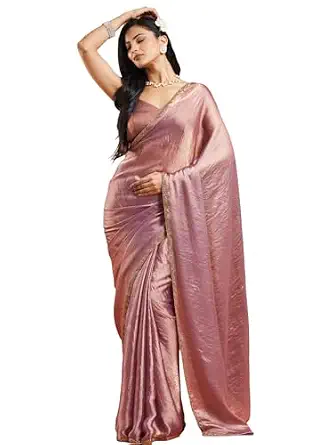
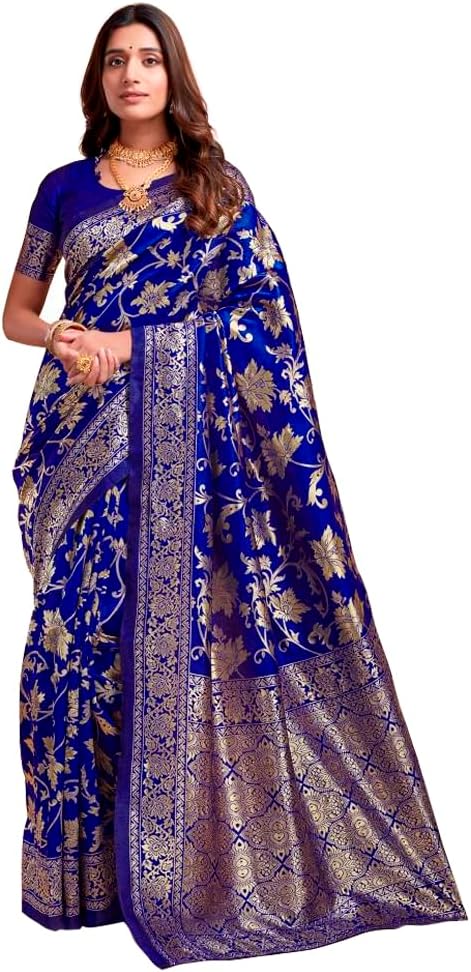
When you're eyeing a saree that promises both Kanjivaram and Banarasi heritage, like the Sugathari SAM PARI S-7, you're looking at a blend of two distinct weaving traditions. This guide helps you navigate the nuances of such hybrid silk sarees, focusing on what to inspect before you buy to ensure you're getting genuine silk and not a synthetic blend.
Key Considerations Before Buying
- Check the blouse piece: The included blouse piece is often the easiest way to test fabric authenticity—burn a thread from its edge; pure silk smells like burnt hair and crumbles, while synthetics melt into a hard bead.
- Look at the zari: Real zari (gold or silver thread) will tarnish over time, but its weight and sheen are distinct. A heavier zari indicates better quality, but also higher cost; be wary of 'tested' labels that don't specify the zari type.
- Assess the pallu design: Kanjivaram pallus are known for their contrast borders and temple motifs, while Banarasi designs feature intricate floral or paisley patterns. The Sugathari's hybrid design should show a clear, deliberate fusion—if it looks muddled, it may be a lower-quality imitation.
What Our Analysts Recommend
Inspect the saree's fall and drape—pure silk has a distinctive rustle and hangs with weight, not flimsy like polyester. Also, check the selvage (edges) for even weaving and no loose threads, which indicates better loom workmanship. Finally, look for a 'silk mark' certification from the Silk Mark Organisation of India, which guarantees purity.
Sarees Market Context
Market Overview
The Indian saree market is flooded with 'silk' sarees that range from pure mulberry to tussar to artificial blends, often at overlapping price points. Online platforms like Amazon have become key sales channels, but this has also increased the risk of misrepresentation, especially for hybrid styles that mix Kanjivaram and Banarasi techniques.
Common Issues
A frequent complaint in this category is that the product's actual color or pattern differs from the photos due to screen calibration and lighting. Another major issue is that 'pure silk' claims sometimes turn out to be 'art silk' or a rayon blend, leading to customer disappointment and returns, which is reflected in the moderate rating of 3.56/5.
Quality Indicators
For a true silk saree, look for a high thread count, which gives a smooth, tight weave. The border and pallu should be firmly woven, not loose or puckered. Also, the zari should be lustrous, and the saree should feel cool to the touch—synthetics often feel warmer and clingy.
Review Authenticity Insights
Grade B Interpretation
The Grade B rating with an estimated 15% fake reviews suggests that while most of the 376 reviews are authentic, a notable minority could be manipulated, possibly to inflate the rating. This means the actual average rating might be closer to the adjusted 3.30/5, indicating that the product may not fully meet expectations for a significant number of buyers.
Trust Recommendation
Given the 15% fake review rate, you should not rely solely on the star rating. Instead, read the 1-3 star reviews carefully—they often highlight specific issues like color fading, thin fabric, or mismatched blouse pieces, which are more telling than generic 5-star praise.
Tips for Reading Reviews
Focus on reviews that mention the saree's weight, weave, and zari quality, as these are critical for silk. Also, look for photos in reviews, as they show the actual product under real-world lighting. Be cautious of reviews that use overly promotional language or lack specific details about the product.
Expert Perspective
The Sugathari SAM PARI S-7 is a budget-friendly entry into the world of silk sarees, but the data suggests it's a mixed bag. With a grade B authenticity and a 15% fake review rate, the product's true performance is likely below the displayed rating. The hybrid Kanjivaram-Banarasi design is a unique selling point, but execution may vary, as seen in the range of customer experiences.
Purchase Considerations
If you're a first-time silk saree buyer, this could be a risk due to quality inconsistencies. However, if you're on a tight budget and understand that 'pure Kanjivaram' at this price point may mean lighter weight or less intricate zari, it might still offer value. Always check the return policy and be prepared to verify the silk content upon delivery.
Comparing Alternatives
Before committing, compare this with other sarees in the same price range from brands like 'Nalli' or 'Pothys' that offer verified silk certification and have more consistent customer feedback.