
Choosing a Class 4 Gas Cylinder: What Heavy-Duty Chair Owners Need to Know
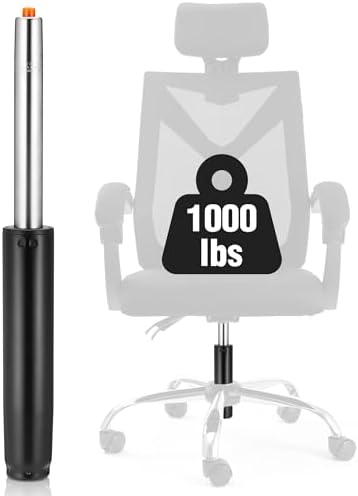
Replacing a failing office chair gas cylinder requires matching your chair's specific load capacity and stem dimensions. This particular Class 4 cylinder is rated for 1000lbs and offers a 12-18 inch height range, making it suitable for heavy-duty gaming and executive chairs where standard Class 3 (300lb) cylinders fail. Understanding the installation process and compatibility is crucial before purchase.
Key Considerations Before Buying
- Verify your chair's current cylinder class and weight rating; a Class 4 (1000lb) cylinder is overkill for standard office chairs but essential for reinforced 'captain' or gaming chairs.
- Measure your existing cylinder's piston stem diameter and top mounting mechanism; universal fits often require force or specific tools for removal of the old unit.
- Consider the compressed and extended height (12-18") to ensure the replacement matches your ergonomic needs, as a different range will alter your seating position.
What Our Analysts Recommend
A quality gas cylinder will have a smooth, consistent lift without sinking or sticking. Look for products specifying compliance with BIFMA (Business and Institutional Furniture Manufacturers Association) standards for safety, though this is less common in aftermarket replacements. The seal quality around the piston is critical for maintaining pressure over time.
Gas Market Context
Market Overview
The aftermarket chair gas cylinder market is flooded with inexpensive imports, primarily from China and India, with significant quality variance between batches. Class 4 cylinders represent a niche but growing segment catering to the heavy-duty gaming and 'big & tall' chair markets, where OEM parts are often expensive or unavailable.
Common Issues
Common failures include slow height sinkage (gas leakage), complete failure to lift (seal blowout), and incompatible stem sizes causing installation headaches. Many universal cylinders require the user to remove a notoriously tight retaining clip on the old cylinder, which can be a significant DIY hurdle.
Quality Indicators
Beyond the class rating, check for reviews mentioning long-term durability over months of use, not just initial function. Cylinders with a metal lower collar often outlast those with plastic components. A clear specification of the gas (typically nitrogen) and pressure rating, though rarely provided, signals better manufacturing transparency.
Review Authenticity Insights
Grade B Interpretation
A 'Grade B' authenticity rating with an 11% estimated fake review rate suggests the majority of feedback is genuine, but a modest portion may be incentivized. For a utilitarian product like this, fake reviews often overstate ease of installation or use vague, repetitive praise.
Trust Recommendation
Focus on reviews that detail the specific chair model replaced, the tools used (e.g., pipe wrench, hammer), and mention performance after 30+ days. Be skeptical of reviews that don't mention the physical effort required for installation or that claim it fits 'every chair perfectly' without nuance.
Tips for Reading Reviews
Prioritize verified purchase reviews that include photos or videos of the installation process and the old cylinder. Pay close attention to critical 2- or 3-star reviews, as they often reveal specific compatibility issues or durability concerns that 5-star reviews gloss over.
Expert Perspective
With an adjusted rating of 3.8/5 from largely authentic reviews, this cylinder performs adequately for its niche. The rating reflects real-world experiences: it solves a critical failure point for heavy chairs but the universal fit and installation process present consistent challenges. The 1000lb rating is its key selling point, but that capacity is only necessary for a subset of chairs. The 'universal' claim should be viewed as 'widely compatible' rather than 'guaranteed to fit,' requiring careful measurement by the buyer.
Purchase Considerations
Purchase this if your chair is genuinely heavy-duty or you weigh over 300lbs and have experienced cylinder failure. Weigh the cost and effort of this DIY repair against the price of a new chair. Ensure you have the necessary tools (pipe wrench, mallet, safety glasses) for what can be a strenuous removal process.
Comparing Alternatives
Shoppers should compare the stem dimensions and price with OEM-specific replacements for their chair brand, which may offer a guaranteed fit at a higher cost.


