
Choosing Plant-Based Omega-3: What Vegetarians Need to Know About Algae Sources
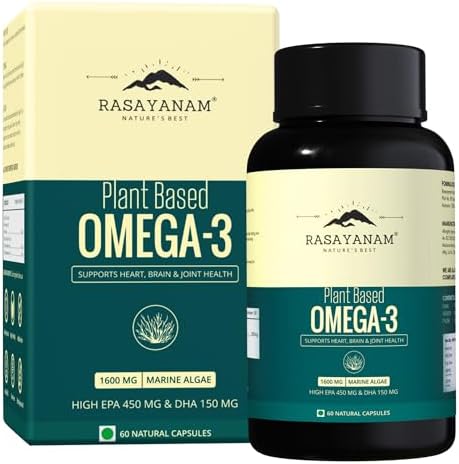
When evaluating Rasayanam's algae-derived Omega-3, focus on its 450mg EPA and 150mg DHA per serving—these specific ratios differ from fish oil and are critical for efficacy. As a gelatin-free, no-burp formula, this product addresses common vegetarian supplement concerns that fish oil users don't face.
Key Considerations Before Buying
- Verify the algae source purity, as Rasayanam uses marine algae rather than fish, making it suitable for vegetarians but requiring different quality controls.
- Assess the 1600mg total per capsule against the active EPA/DHA content (600mg combined), as the remaining 1000mg consists of other algal oils with varying benefits.
- Consider the 'no burps' claim specifically for those sensitive to fish oil aftertaste, though individual digestive responses to algae oil may still vary.
What Our Analysts Recommend
For plant-based Omega-3, prioritize third-party testing for heavy metals and oxidation since algae can absorb environmental contaminants. The 3:1 EPA to DHA ratio in this product suggests a formulation targeting inflammatory response and joint health over pure cognitive support.
Omega-3 Market Context
Market Overview
The Indian vegetarian Omega-3 market has expanded beyond flaxseed to algae-based supplements like Rasayanam's, offering direct EPA/DHA without ALA conversion. This shift responds to growing demand for sustainable, religiously-compliant alternatives to fish oil.
Common Issues
Vegetarian capsules often use suboptimal algal strains yielding low EPA/DHA concentrations, requiring higher serving sizes. Some products mask fish oil origins with 'marine' labeling, making vegan certification and transparent sourcing essential.
Quality Indicators
Superior algae Omega-3 products specify the algal strain (like Schizochytrium sp.), display oxidation values (TOTOX < 26), and provide batch-specific certificates of analysis—details beyond basic vegetarian claims.
Review Authenticity Insights
Grade B Interpretation
A Grade B with 10% estimated fake reviews indicates generally reliable feedback, though approximately 1 in 10 reviews may be inauthentic. The 4.00 adjusted rating (down from 4.22) suggests genuine satisfaction sits between very good and excellent.
Trust Recommendation
Prioritize verified purchase reviews mentioning specific outcomes like 'joint mobility improved after 3 weeks' over vague praise. The single critical review in the sample distribution warrants attention as it represents authentic negative experiences.
Tips for Reading Reviews
Look for reviews discussing vegetarian compliance and digestive tolerance—key differentiators for this product. Be skeptical of reviews that don't mention the algae source or compare it to fish oil alternatives.
Expert Perspective
Rasayanam's offering fills a genuine gap in the Indian market with its specific 450mg EPA/150mg DHA formulation, which targets joint and cardiovascular health more than brain development. The 4.00 authentic rating from 226 reviews suggests consistent delivery on core promises like gelatin-free composition and reduced burping. However, the dosage provides approximately half the combined EPA/DHA of standard fish oil capsules, requiring users to assess value against potency.
Purchase Considerations
This product makes most sense for strict vegetarians prioritizing joint support over maximum DHA intake, or those who've experienced fish oil reflux. Compare the per-serving cost against other algal oils with similar EPA concentrations rather than fish-based products.
Comparing Alternatives
Shoppers should compare Rasayanam's price per 600mg EPA/DHA with other vegan brands like Nua or Himalayan Organics to assess market competitiveness.


