Portable USB-C Juicer Blender: On-the-Go Smoothies or Gimmick?
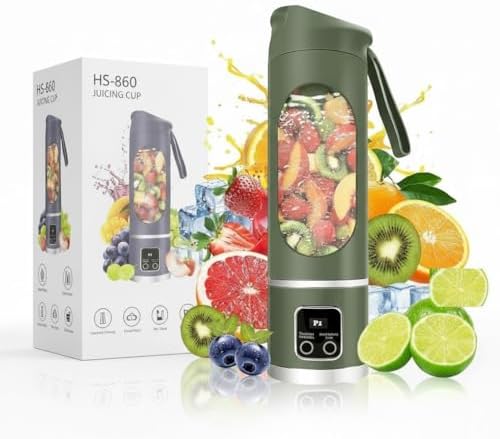
For those seeking a compact, USB-rechargeable blender for quick smoothies, soups, or sauces, this portable juicer blender promises convenience with its 10-blade system and 1300 mAh battery. However, given its 3.67 average rating and a 15% estimated fake review rate, discerning real performance from marketing hype is crucial before buying.
Key Considerations Before Buying
- Battery Life vs. Blending Power: With a 1300 mAh rechargeable battery, expect limited runtime—likely enough for 5-10 single servings before needing a recharge. If you plan multiple uses in a day, this may not suffice.
- Blade Design and Gear Options: The 10-blade configuration and 3-speed gears suggest versatility, but small portable blenders often struggle with ice or frozen fruit. Check if user reviews confirm consistent blending without overheating or stalling.
- Cleaning and Maintenance: Compact USB blenders often have sealed bases that trap moisture, leading to odor or mold. Look for reviews mentioning ease of cleaning, especially if you intend to use it daily for smoothies or sauces.
What Our Analysts Recommend
Quality indicators include a robust seal to prevent leaks, a battery that holds charge after repeated cycles, and blades that maintain sharpness. Also, verify the USB port is covered to avoid liquid damage—many budget models fail here.
Juicer Mixer Grinders Market Context
Market Overview
The portable USB blender market has exploded, targeting fitness enthusiasts and office workers who want fresh smoothies anywhere. However, many products underdeliver on battery life and motor torque, leading to a high return rate in the sub-$30 segment.
Common Issues
Common problems include weak motors that jam with thick ingredients, short battery lifespans (often degrading after 3-6 months), and plastic components that crack or leak. Users also report that claimed '10 blades' can be misleading if they are small or poorly positioned.
Quality Indicators
Look for blenders with at least 1500 mAh batteries, stainless steel blades (not plastic-coated), and a BPA-free Tritan cup. Also, models with a separate charging base (vs. direct USB cable) tend to have better water resistance.
Review Authenticity Insights
Grade B Interpretation
A Grade B with 15% estimated fake reviews indicates that while most feedback is genuine, a notable portion may be incentivized or fabricated. This is typical for budget kitchen gadgets on Amazon India, where price-driven purchases often attract review manipulation.
Trust Recommendation
Given the 15% fake rate, treat 5-star reviews with skepticism—especially those lacking specific usage details. Focus on 3- and 4-star reviews that describe real-world blending challenges, battery life, and durability over weeks of use.
Tips for Reading Reviews
For portable blenders, prioritize reviews that mention 'frozen fruit,' 'cleaning,' and 'battery after 3 months.' Photos or videos of the blender in action are more reliable than text-only raves. Also, check the 'most recent' filter to spot patterns of early failures.
Expert Perspective
This portable juicer blender offers a compelling concept—USB rechargeability, multiple blades, and three speeds—but its 3.40 adjusted rating and 15% fake review rate suggest inconsistency. The 1300 mAh battery is on the low side for heavy use, and the green color won't impact performance. It may work well for occasional, small-volume blending of soft fruits, but expect frustration with ice or fibrous greens.
Purchase Considerations
Weigh the convenience of portability against potential motor weakness and short battery life. If you need a reliable daily blender for thick smoothies, consider a corded personal blender or a higher-capacity USB model (2000 mAh+). This product is best suited for light, occasional use on the go.
Comparing Alternatives
Shoppers should compare this with similarly priced USB blenders from brands like BlendJet or PopBabies, which often have better battery reviews and more transparent customer feedback.