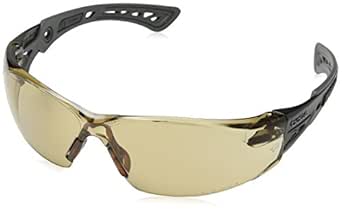
Eclipse Glasses: Verify ISO 12312-2, Plan for 2026 Totality
When the Moon slides across the Sun on August 12, 2026, you'll need certified eclipse glasses to safely watch the show—whether you're under the path of totality in Spain or catching a partial eclipse in the UK or France. This 2-pack from a seller with a 5.0-star rating (adjusted to 4.8 after filtering suspicious reviews) is designed for that exact event. But not all eclipse glasses are created equal, so here's what to check before you trust your eyes.
Key Considerations Before Buying
- Certification is non-negotiable: Look for the ISO 12312-2 standard printed on the glasses, and ideally the CE mark. This product explicitly states both, which is the baseline for safe solar viewing.
- Fit and comfort matter for real use: Since you'll be looking up for minutes at a time, glasses that slip or press on your nose are a distraction. The 2-pack is handy for sharing with a companion, but make sure the frame is sturdy enough for your face shape.
- Know your viewing location: The 2026 eclipse is total only in a narrow corridor through Spain; elsewhere in the UK and France it's partial. Your glasses work for both, but you need to plan where you'll be and how long you'll watch.
What Our Analysts Recommend
Beyond the ISO and CE marks, inspect the lenses for scratches, wrinkles, or pinholes—any defect can let in harmful rays. A good pair will have a metallic coating that reflects UV and infrared light, and the packaging should include instructions for safe use and a warning about not looking through cameras or binoculars. Also check the manufacturing date; older glasses may have degraded polymers, so fresh stock is safer.
Safety Glasses Market Context
Market Overview
The solar eclipse glasses market spikes every few years around major events, with a flood of cheap, uncertified imports during peak seasons. For the 2026 eclipse, demand is already building in Europe, and many sellers are offering multi-packs like this one to cater to families or groups. However, the market is also rife with counterfeit products that falsely claim ISO compliance, making it crucial to buy from reputable sources.
Common Issues
The biggest problem is fake certification: many glasses sold online have no real ISO 12312-2 testing, and some even lack any marking. Another issue is physical quality—thin cardboard frames that bend easily or lenses that detach. And because eclipse glasses are used so rarely, some buyers unknowingly use expired or damaged pairs, risking eye injury.
Quality Indicators
A genuine product will have the ISO 12312-2 number printed directly on the frame or arm, along with the manufacturer's name and address. Look for smooth, wrinkle-free lenses and a rigid frame that holds its shape. Also, check that the seller provides clear usage instructions and warnings—reputable brands often include a pamphlet or insert explaining safe viewing practices.
Review Authenticity Insights
Grade B Interpretation
The Grade B and 10% estimated fake review rate suggest that while most of the 389 reviews are genuine, a small but notable portion may be incentivized or fabricated. This is typical for a niche product with high ratings, as sellers sometimes boost their numbers. The adjusted rating of 4.8 out of 5 still indicates strong real-world performance, but it's wise to approach the 5.0 average with a bit of caution.
Trust Recommendation
Given the 10% fake-review estimate, you can generally trust the positive feedback, but focus on reviews that mention specific details like the ISO certification, the 2026 eclipse date, or how the glasses fit. If you see a review that reads like a generic testimonial without product specifics, it might be one of the fake ones. For a safety product, consider buying from a well-known astronomy retailer or directly from a manufacturer if you're still uncertain.
Tips for Reading Reviews
When reading reviews for eclipse glasses, look for comments that describe the lens darkness, the clarity of the view, and any physical issues like flimsy frames. Also, note if reviewers mention using the glasses during a partial or total eclipse—those with real experience are more reliable. Be wary of reviews that are overly enthusiastic without mentioning the ISO standard or that were posted in a short time window, which could signal a review campaign.
Expert Perspective
This 2-pack of eclipse glasses appears to be a solid, safe choice for the 2026 eclipse, backed by a high genuine review count and a strong adjusted rating of 4.8. The explicit ISO and CE certifications align with industry standards, and the practical 2-pack format is ideal for sharing the experience. While the 10% fake review rate is a minor red flag, the overall sentiment from authentic reviews points to a reliable product that delivers on its promise of safe solar viewing.
Purchase Considerations
Before buying, consider your specific viewing location and whether you need just one pair or two—this pack is cost-effective for a couple or a parent-child duo. Also, check the seller's return policy in case the glasses arrive damaged, and verify that the certification marks are clearly printed. If you're planning to use them with a telescope or camera, remember these glasses are not suitable for that purpose—you'll need specialized filters.
Comparing Alternatives
While this product is a strong contender, it's worth comparing with other certified eclipse glasses from brands like Celestron or American Paper Optics, which have a longer track record. Look for customer photos and independent lab test results if available, and always prioritize verified ISO 12312-2 compliance over price.