
Choosing a Multi-Parameter Water Tester for Hydroponics and Aquaculture Applications
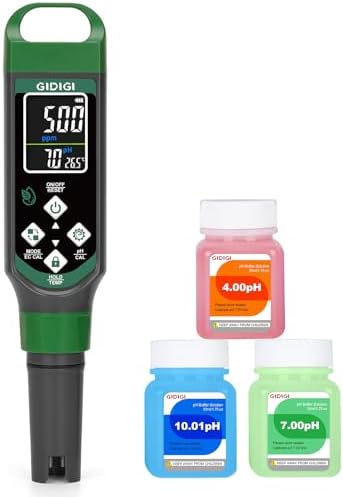
This specific digital pH/TDS/EC meter is designed for hydroponic, aeroponic, and DWC (Deep Water Culture) systems, featuring a color screen and 0.01 resolution TDS measurement. Buyers should understand that multi-parameter meters like this consolidate several water quality tests into one device, which is crucial for monitoring nutrient solutions. The advertised high accuracy for pH, PPM, and EC makes it suitable for growers who need precise control over their water chemistry.
Key Considerations Before Buying
- Calibration frequency is critical; this meter's 0.01 TDS resolution demands regular calibration with standard solutions to maintain accuracy in nutrient-dense environments.
- The color display and multi-parameter readout are useful for simultaneous monitoring, but check if the interface allows easy switching between pH, EC, and TDS modes during active use.
- Consider electrode durability and replacement cost; meters used frequently in hydroponic reservoirs require robust, cleanable probes that resist fertilizer salt buildup.
What Our Analysts Recommend
For this category, prioritize meters with automatic temperature compensation (ATC) to correct readings in varying water temps common in grow rooms. Look for clear information on calibration procedures—quality units include detailed guides and often come with calibration powders. The build quality should feel substantial, not lightweight plastic, to withstand regular handling near water.
pH metry Market Context
Market Overview
The market for affordable multi-parameter water testers has expanded with the growth of home hydroponics and aquaculture, flooding options under $50. Products like this one compete by bundling pH, EC, and TDS into a single device with colorful displays, targeting hobbyists over laboratory users. Differentiation often comes through claimed accuracy (e.g., 0.01 TDS), screen type, and included accessories like calibration solutions or carrying cases.
Common Issues
Common problems include drift in pH readings after minimal use, fragile electrodes that degrade quickly in nutrient solutions, and confusing calibration processes that lead to inaccurate PPM/EC measurements. Many budget meters suffer from poor battery compartment seals, leading to corrosion from the humid environments they're used in.
Quality Indicators
Quality indicators for this product type include the use of a double-junction pH electrode (more resistant to contamination), clear specification of measurement ranges (e.g., 0-14 pH, 0-9990 ppm TDS), and inclusion of pH 4.01, 6.86, and 9.18 calibration buffers. A higher-quality product will explicitly mention ATC and have a robust calibration lock feature.
Review Authenticity Insights
Grade B Interpretation
A Grade B authenticity rating with an estimated 10% fake review rate suggests generally reliable reviews but warrants cautious scrutiny. This means most feedback reflects real user experiences, though a small portion may be incentivized or artificially positive. The adjusted rating of 4.20/5, down from 4.40/5, indicates the genuine satisfaction is slightly lower than the raw average shows.
Trust Recommendation
Focus on reviews that discuss long-term performance over several weeks or months, specifically mentioning calibration stability and electrode longevity in nutrient solutions. Be skeptical of reviews that only praise packaging or initial turn-on without detailing actual use in hydroponics. The verified purchase status of the analyzed reviews adds credibility, so prioritize those.
Tips for Reading Reviews
For technical devices like this, seek reviews that mention specific crops (e.g., 'for my lettuce DWC' or 'in my pepper hydroponics'), calibration frequency, and comparisons of readings against known standards. Reviews discussing electrode storage and maintenance offer more practical insight than generic 'works great' comments.
Expert Perspective
This meter presents a compelling value proposition for hydroponic hobbyists needing consolidated pH, EC, and TDS data on a color screen. The 4.20 adjusted rating from verified purchases indicates solid user satisfaction, particularly for its multi-parameter functionality. However, the product's longevity and measurement stability in continuous hydroponic use—where solutions are chemically aggressive—remain the key questions that shorter-term reviews may not answer. The specifications suggest it targets the practical needs of DWC and aeroponic growers who monitor nutrients regularly.
Purchase Considerations
Weigh the convenience of an all-in-one color display against the potential need for more frequent calibration compared to single-parameter, higher-end meters. Consider if your usage justifies a multi-parameter device or if separate, specialized meters might offer better long-term accuracy and durability for intensive applications.
Comparing Alternatives
Shoppers should compare this model's calibration requirements, probe construction, and warranty terms against similar multi-parameter testers from brands like HM Digital or Bluelab, which are established in hydroponics.


