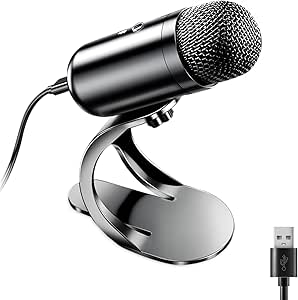
Choosing a USB/XLR Gaming Mic: What the FDUCE D30 Offers Streamers
The FDUCE D30 is a hybrid USB/XLR dynamic microphone designed for gamers and streamers who need both plug-and-play convenience and future upgrade potential. Its inclusion of a desktop stand, RGB lighting, and direct monitoring via a headphone jack positions it as an all-in-one streaming starter kit, but understanding its dual-interface nature is key.
Key Considerations Before Buying
- The USB/XLR dual output is this mic's defining feature: USB offers immediate PC/Mac compatibility for beginners, while the XLR port allows connection to professional audio interfaces for higher-quality, low-latency recording as your setup grows.
- As a dynamic microphone, the D30 is naturally better at rejecting background keyboard clicks and room echo compared to condenser mics, making it ideal for untreated home streaming environments.
- Built-in controls like the gain knob, mute button, and headphone jack with zero-latency monitoring provide essential real-time audio management without needing software, crucial for live streaming.
What Our Analysts Recommend
For a gaming/streaming mic like the D30, prioritize a sturdy, non-resonant desktop stand to prevent handling noise. Check that the gain control offers a wide, smooth range to handle both quiet speech and energetic commentary. The headphone jack should deliver clean, direct monitoring without static or hiss.
Computer Microphones Market Context
Market Overview
The market for USB gaming microphones is saturated with condenser models, making the FDUCE D30's dynamic capsule and XLR hybrid design a notable differentiation aimed at streamers seeking broadcast-style vocal presence. Products increasingly bundle RGB and physical controls to minimize software dependency.
Common Issues
Common pitfalls in this category include flimsy stands that transmit vibrations, poorly implemented gain controls that introduce noise at higher levels, and 'feature creep' where RGB or software gimmicks compromise core audio quality. USB-only mics also create dead-ends for audio upgrades.
Quality Indicators
Look for clear specifications on polar pattern (the D30 uses a cardioid pattern for front-facing pickup), build materials like metal mesh grilles, and the presence of both gain and volume controls for separate input/output management. A genuine dual USB/XLR interface, not a simple adapter, indicates better internal circuitry.
Review Authenticity Insights
Grade B Interpretation
A 'Grade B' with an estimated 10% fake review rate suggests the FDUCE D30's review profile is largely reliable but requires discerning reading. The high verified purchase rate (103 reviews, 4.3 adjusted rating) strengthens credibility, but a small portion of reviews may be incentivized.
Trust Recommendation
Focus on detailed reviews from verified purchasers that mention specific use cases like Discord, OBS, or podcasting, and note any long-term performance comments. Be slightly more critical of overly generic 5-star reviews that don't mention the XLR functionality or gain control performance.
Tips for Reading Reviews
For this product, prioritize reviews that discuss the actual audio quality in recordings, the tactile feel of the mute button and gain knob, and the stability of the included stand. Look for comparisons between its USB and XLR performance, as this is its key technical feature.
Expert Perspective
The FDUCE D30 presents a compelling value proposition for entry to mid-level streamers based on the authentic review data. Its adjusted 4.3/5 rating from verified purchasers indicates consistent satisfaction, particularly with its out-of-box functionality and feature set. The hybrid USB/XLR design is its most strategic asset, offering a growth path rarely found at this price point. However, the dynamic capsule choice means it will require proper gain staging and may not capture the full high-frequency detail of a condenser, which is a trade-off for better background noise rejection.
Purchase Considerations
Purchase this microphone if your primary needs are live streaming or gaming communication in a noisy environment, and you value the option to later upgrade to an XLR interface. Consider alternatives if you record primarily in a treated, quiet studio for music or ASMR, where a large-diaphragm condenser might be preferable, or if you have no intention of ever using XLR, as you may be paying for an unused feature.
Comparing Alternatives
Shoppers should compare the D30's feature set and price against similar hybrid mics like the Samson Q2U or Audio-Technica AT2005USB to assess value and sound signature preferences.