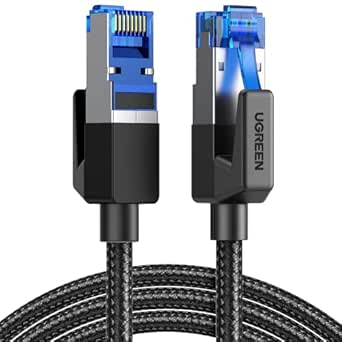
Cat 8 Cable Buyers Guide: 40Gbps, 2000MHz, and S/FTP Explained
When upgrading to a Cat 8 Ethernet cable like this one, you're investing in future-proofing your home network for 40Gbps speeds and 2000MHz bandwidth. Understanding the key specs—S/FTP shielding, nylon braiding, and connector compatibility—is critical to ensure you get the performance you expect, especially for gaming (PS5/4) and high-bandwidth streaming.
Key Considerations Before Buying
- Check your device's Ethernet port: While this cable supports 40Gbps, your router, modem, or console's port likely maxes out at 1Gbps or 2.5Gbps. The cable is backward compatible, but you won't see speeds beyond your hardware's limit.
- Shielding type matters: S/FTP (shielded foiled twisted pair) is essential for reducing electromagnetic interference, especially in homes with lots of electronics. It's overkill for short runs but ideal for longer distances or areas with high interference.
- Length and routing: Nylon braided cables are durable but less flexible. Measure your run carefully—if you need to bend around tight corners, consider a thinner, unbraided cable. Also, ensure the cable's gauge supports your length for optimal signal integrity.
What Our Analysts Recommend
Look for a cable with genuine S/FTP construction (each pair foil-shielded plus an overall braid), which this product claims. Also, verify the connector is gold-plated for corrosion resistance and that the cable is certified for 40Gbps/2000MHz—though many 'Cat 8' cables on the market are not officially certified, so check for test reports or UL listing.
Cat 7 Cables Market Context
Market Overview
The Ethernet cable market has seen a surge in 'Cat 8' offerings, catering to gamers and prosumers who want the fastest possible wired connections. However, the category is riddled with inconsistency, as many cables labeled Cat 8 are not certified by official bodies, leading to a wide variance in actual performance. With Wi-Fi 6E and 10Gbps internet becoming more common, the demand for high-spec cables is rising, but most home users still operate well below Cat 8's maximum capabilities.
Common Issues
The most common issues include misleading claims—many 'Cat 8' cables only achieve Cat 6a performance due to poor shielding or subpar materials. Another issue is stiffness: thick nylon braiding can make cables difficult to manage in tight spaces, and some connectors are too bulky for wall plates or close port spacing. Additionally, users often report that they don't see speed improvements because their other network hardware (like a router or console) is the bottleneck.
Quality Indicators
Quality indicators include the presence of a certified test report (e.g., from Fluke or similar), clear labeling of shielding type (S/FTP, U/FTP), and the use of solid copper conductors rather than CCA (copper-clad aluminum). Also, check the connector design—a well-molded, gold-plated RJ45 with strain relief is a sign of better build quality. Reviews that mention specific speed tests or long-term durability are more trustworthy than generic praise.
Review Authenticity Insights
Grade B Interpretation
The B grade and 10% estimated fake review rate suggest that while the majority of the 1,412 reviews are genuine, a small but notable portion may be fabricated. This is typical for a popular cable product on Amazon, where sellers sometimes inflate ratings. The adjusted rating of 4.60/5 (down from 4.86/5) indicates that the true customer satisfaction is slightly lower but still very positive, so you can generally trust the overall sentiment.
Trust Recommendation
Given the 10% fake rate, you should focus on reviews that include specific details—such as measurements, installation experiences, or performance comparisons—and those with verified purchase badges. Be cautious of reviews that are overly generic or mention features not in the listing. The authenticity analysis shows strong signals of real usage (multiple languages, personal context), so the risk is moderate, but it's wise to cross-reference with external forums or tech sites.
Tips for Reading Reviews
For this type of product, look for reviews that mention the cable's flexibility, connector fit, and whether they saw any speed improvements. Ignore reviews that solely praise 'fast speeds' without specifics. Also, check for recent reviews to see if there are any issues with durability over time, as this is a common concern with nylon-braided cables.
Expert Perspective
This Cat 8 Ethernet cable appears to be a solid choice for consumers who want a high-performance, durable cable for gaming or streaming. The high rating (even adjusted to 4.60) and the positive signals from genuine reviews indicate that it delivers on its core promises of 40Gbps and 2000MHz in most real-world scenarios. However, the 10% fake review rate is a reminder to approach any 'best-in-class' claims with a bit of caution. The S/FTP shielding and nylon braid are premium features that justify the price for those who need them, but for typical home use, a Cat 6a might suffice.
Purchase Considerations
Before purchasing, consider your current network setup—if you have a 1Gbps internet plan and a standard router, this cable's capabilities are future-proofing, not immediate gains. Also, think about the cable's stiffness: if you need to route it along baseboards or through tight corners, the nylon braid might be a hindrance. Price is another factor—if this cable costs significantly more than a Cat 6a, you might not see a practical benefit unless you're building a 10Gbps home network.
Comparing Alternatives
Shoppers should compare this with Cat 6a or Cat 7 cables, which may offer sufficient performance at a lower cost. Also, consider the length and warranty offered by different brands, as these can vary widely.