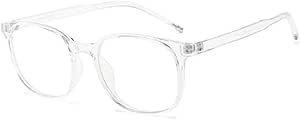
Sleep Glasses with Red Lenses: Do They Really Block 99.9% Blue-Green Light?
When you're shopping for sleep-enhancing eyewear, the key is to understand that not all blue light blockers are created equal. TIJN's Sleep Glasses feature a red lens designed to block up to 99.9% of blue and green light, which is crucial because green light can also suppress melatonin. This guide will help you evaluate whether such high-blocking red lenses are right for your sleep and screen habits.
Key Considerations Before Buying
- Lens color and light spectrum: Red lenses block a much broader spectrum (including blue and green) compared to clear or yellow lenses, but they also distort color perception significantly. Consider if you need to wear them for tasks requiring color accuracy.
- Dual AR coatings: The anti-reflective coatings on both sides of the lens reduce glare and reflections, which is essential when using screens at night. This feature also improves clarity and reduces eye strain during extended use.
- Frame material and weight: TR90 frames are lightweight, flexible, and durable, making them comfortable for long wear. Check the fit and whether they are designed to be worn over prescription glasses if needed.
What Our Analysts Recommend
Look for verified spectral transmission data from the manufacturer to confirm the claimed 99.9% blocking rate. Also, check for certifications like CE or FDA registration, which indicate compliance with safety standards. A good warranty and responsive customer support are also signs of a reputable product.
Blue Light Blocking Glasses Market Context
Market Overview
The blue light blocking glasses market has expanded rapidly, with products ranging from clear lens computer glasses to deep red sleep glasses. While many brands offer similar claims, the actual spectral filtering varies significantly. Consumers are becoming more educated about the importance of blocking both blue and green light for circadian rhythm support.
Common Issues
A common issue is that many products labeled 'blue light blocking' only filter a narrow range of blue light, failing to block green light. Additionally, some cheap lenses have a yellow tint that provides minimal protection. Durability and coating quality are also frequent concerns, as AR coatings can scratch easily if not applied properly.
Quality Indicators
High-quality sleep glasses typically come with a professional spectral analysis report. Look for lenses made from optical-grade materials and frames that are well-constructed. Independent lab test results and positive user feedback about actual sleep improvements are strong indicators of quality.
Review Authenticity Insights
Grade B Interpretation
With a Grade B and an estimated 10% fake reviews, this product has a relatively low level of review manipulation. The adjusted rating of 4.40/5 (down from 4.60) suggests that a few reviews may be overly positive, but the core feedback remains largely trustworthy.
Trust Recommendation
You can rely on the overall positive sentiment, but be aware that the 10% fake rate means a small number of reviews might not reflect genuine experiences. Focus on the verified purchase reviews that mention specific details about fit, comfort, and effectiveness over time.
Tips for Reading Reviews
For this type of product, pay attention to reviews that describe the lens color, how they feel after a week of use, and whether they help with falling asleep. Be wary of overly generic praise or reviews that lack specifics. Also, check if the reviewer mentions using them for gaming or reading, as this indicates practical use.
Expert Perspective
The TIJN Sleep Glasses appear to be a solid choice for those seeking maximum blue and green light blocking. The dual AR coatings are a valuable feature that sets it apart from cheaper alternatives. However, the 10% fake review rate and the slight drop in adjusted rating suggest that not every review is fully reliable. Given the high 4.40 adjusted rating, the product likely delivers on its core promise, but individual results may vary based on sleep hygiene habits.
Purchase Considerations
Consider your specific use case: if you're a gamer who needs to see the screen clearly, the red tint may be too strong for extended gaming sessions. If your primary goal is to improve sleep, these glasses are a good investment. Also, factor in the frame fit and whether you'll be comfortable wearing them for an hour before bedtime.
Comparing Alternatives
It's worth comparing these with other sleep glasses that use orange-tinted lenses, which may offer a better balance between blue light blocking and visual clarity. Also, consider models with a wider range of lens options to suit different activities.