
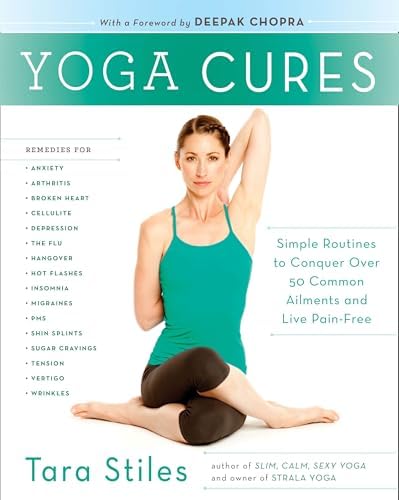
How to Choose a Yoga Therapy Book That Actually Works
Yoga therapy books like 'Yoga Cures' promise relief for specific ailments, but their effectiveness hinges on the author's credentials and the practicality of the routines. With over 50 conditions covered, from migraines to back pain, it's crucial to evaluate whether the book offers safe, evidence-informed sequences or generic poses.
Key Considerations Before Buying
- Author credentials: Look for authors who are experienced yoga therapists or have medical training. A book by a certified yoga therapist (C-IAYT) or a physician integrates safety with efficacy, unlike general yoga guides.
- Condition-specific routines: The best books provide clear, step-by-step sequences for each ailment, with modifications for different fitness levels. Check if the routines are illustrated and include contraindications.
- Scientific basis: While yoga is ancient, a credible book references modern research or anatomical principles. Avoid books that make sweeping claims without acknowledging limitations or the need for professional advice.
What Our Analysts Recommend
Prioritize books with detailed photos or illustrations, as visual guidance is essential for proper alignment. Also, check for a comprehensive index and clear organization by ailment, making it easy to find routines. User reviews often highlight whether the instructions are easy to follow and if the routines are effective.
Meditation Market Context
Market Overview
The market for yoga therapy books has grown as more people seek complementary approaches to manage chronic conditions. With increased interest in holistic health, titles that bridge ancient practice and modern science are in high demand, but quality varies widely.
Common Issues
Many yoga books overpromise, suggesting yoga can cure serious diseases without medical treatment. Others lack sufficient detail, offering vague instructions that can lead to injury. Additionally, some books are not tailored to specific conditions, instead repackaging general sequences.
Quality Indicators
High-quality books are written by authors with verifiable credentials in yoga therapy or medicine. They include safety guidelines, modifications, and often cite research. Look for books published by reputable health or yoga publishers, and those with positive reviews from both practitioners and beginners.
Review Authenticity Insights
Grade A Interpretation
An authenticity grade of A with only 5% estimated fake reviews indicates that the 4.67-star rating (4.60 adjusted) is highly trustworthy. The reviews are likely from real users who have genuinely benefited from the book, providing reliable insights.
Trust Recommendation
Consumers can confidently rely on the reviews to gauge the book's effectiveness. Pay attention to reviewers who mention specific ailments and how the routines helped, as these are strong indicators of the book's practical value.
Tips for Reading Reviews
When reading reviews, focus on those that describe the reviewer's experience with particular conditions and their yoga background. This helps assess if the book suits your needs. Also, note any criticisms about complexity or lack of illustrations, as these may affect usability.
Expert Perspective
'Yoga Cures' stands out in the yoga therapy genre with its extensive coverage of over 50 ailments and a highly authentic review profile. The strong rating and detailed, personal reviews suggest it delivers practical routines that users find effective. However, as with any self-care guide, it should complement, not replace, professional medical advice.
Purchase Considerations
Consider your specific health needs and yoga experience. If you have a serious condition, consult a healthcare provider before using the book. Beginners may benefit from the simple routines, while advanced practitioners might seek more depth.
Comparing Alternatives
Compare 'Yoga Cures' with other yoga therapy books like 'Yoga as Medicine' by Timothy McCall or 'The Yoga Cure' by Tara Fraser. Look for ones that align with your health goals and learning style.


