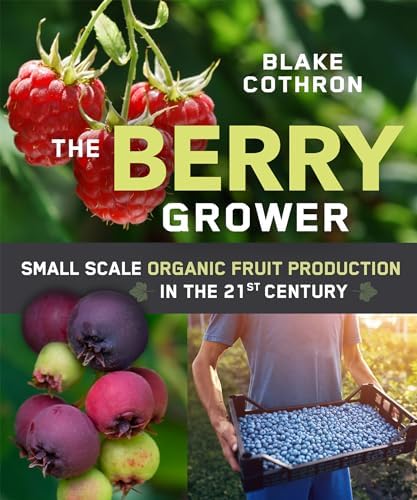
Essential Guide for Small-Scale Berry Farmers Transitioning to Organic Methods
When evaluating specialized agricultural guides like 'The Berry Grower,' focus on whether the content addresses your specific scale of operation and regional growing challenges. This book targets small-scale producers seeking practical organic techniques rather than industrial agriculture approaches, making its applicability to your farm size and soil conditions crucial.
Key Considerations Before Buying
- Verify the author's expertise includes hands-on experience with small-scale berry production, not just theoretical knowledge, as this book's reviews emphasize its practical field-tested methods.
- Assess whether the pest management strategies address your specific climate zone and soil type, since organic berry production requires regionally-adapted solutions.
- Consider the balance between foundational growing principles and current market insights, as successful 21st century farming requires both cultivation expertise and business acumen.
What Our Analysts Recommend
Quality agricultural manuals demonstrate depth in specific crop physiology while addressing modern challenges like climate variability and direct marketing. Look for detailed cultivar recommendations, season-extension techniques, and integrated pest management strategies tailored to small-scale operations rather than generic advice.
Agriculture Market Context
Market Overview
The niche market for specialized agricultural books has expanded with the growth of small-scale organic farming, creating demand for practical guides that bridge traditional knowledge with modern sustainable practices. Unlike general gardening manuals, these resources must address commercial viability alongside cultivation techniques.
Common Issues
Many agricultural texts either oversimplify complex growing systems or present industrial-scale methods irrelevant to small producers. Books often lack specific regional adaptation advice or fail to address the economic realities of direct-market berry farming.
Quality Indicators
Superior farming manuals provide cultivar performance data across different regions, detailed soil amendment schedules, and realistic labor estimates. They should reference current research while maintaining practical field applications, with clear photography or diagrams of pruning techniques and pest identification.
Review Authenticity Insights
Grade B Interpretation
The Grade B authenticity rating with 10% estimated fake reviews indicates predominantly genuine feedback from actual small-scale growers, though shoppers should remain alert for overly generic praise. The high verified purchase rate (33 reviews) strengthens credibility for this niche agricultural text.
Trust Recommendation
Prioritize reviews that mention specific growing challenges the book helped solve, such as managing spotted wing drosophila organically or improving blueberry soil pH. Verified purchasers describing multi-season implementation provide the most reliable insights.
Tips for Reading Reviews
Focus on reviews discussing particular berry varieties, season extension methods, or marketing strategies rather than general compliments. Reviews from similar climate zones or farm scales offer more applicable insights than generic praise about 'good information.'
Expert Perspective
With a 4.80 adjusted rating from predominantly genuine reviews, 'The Berry Grower' appears to deliver exceptional value for small-scale organic producers based on consistent praise for its practical depth. The reviews' specificity regarding integrated pest management and soil health suggests the book provides actionable strategies rather than theoretical overviews. The emphasis on 21st century challenges like changing pest pressures and direct marketing aligns with current agricultural needs.
Purchase Considerations
Evaluate whether your operation matches the book's target audience of small-scale commercial growers rather than hobby gardeners. Consider if the organic certification processes and marketing channels discussed align with your business model, as these practical elements distinguish it from purely horticultural texts.
Comparing Alternatives
Compare with Michael Phillips' 'The Berry Grower's Companion' for more holistic orchard approaches, or David Handley's small fruit guides for different regional perspectives before purchasing.