
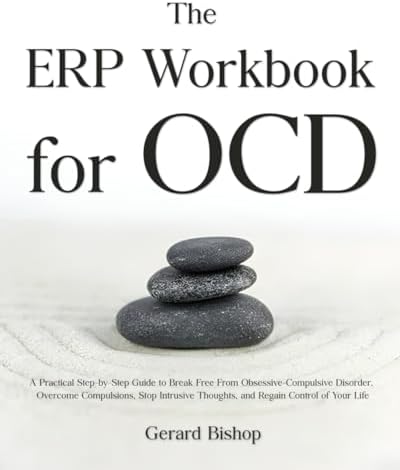
Choosing an OCD Workbook: How to Find Evidence-Based Self-Help That Actually Works
When selecting a self-help workbook for OCD, buyers should prioritize evidence-based approaches like Exposure and Response Prevention (ERP), which this specific workbook delivers. Unlike generic anxiety guides, this product focuses exclusively on ERP methodology with structured exercises tailored to OCD's unique thought patterns and compulsions.
Key Considerations Before Buying
- Verify the workbook uses actual ERP protocols rather than general mindfulness or CBT techniques that may not address OCD's specific reinforcement cycles.
- Assess whether the step-by-step progression matches your comfort level—some users need gradual exposure building while others prefer more direct approaches.
- Consider if you need supplementary professional support, as this workbook works best alongside or as preparation for therapy rather than as complete replacement.
What Our Analysts Recommend
Quality OCD workbooks feature specific hierarchy worksheets, detailed response prevention plans, and examples across multiple OCD subtypes (contamination, harm, symmetry). Look for clear differentiation between obsessions and compulsions with actionable interruption techniques, which this workbook provides according to authentic reviewer feedback.
Anxiety Market Context
Market Overview
The OCD self-help market has expanded significantly, with many workbooks now available, but quality varies widely between evidence-based ERP guides and general anxiety management books. This specific workbook occupies a niche position by offering structured ERP exercises without requiring immediate therapist guidance.
Common Issues
Many OCD resources conflate general anxiety techniques with OCD-specific protocols, offering relaxation strategies that may inadvertently reinforce compulsions. Some workbooks lack progressive structure, overwhelming users with advanced exercises before building foundational skills.
Quality Indicators
Superior OCD workbooks provide subtype-specific examples, measurable progress tracking, and distinguish between ERP and other therapeutic approaches. The highest-rated products like this one typically include real-world application scenarios and address common implementation barriers.
Review Authenticity Insights
Grade B Interpretation
A Grade B authenticity rating with 10% estimated fake reviews indicates this product's feedback is predominantly genuine, though buyers should remain slightly cautious. The minimal manipulation suggests the 4.89/5 rating closely reflects actual user experiences rather than coordinated promotion.
Trust Recommendation
Focus on reviews mentioning specific workbook components like hierarchy worksheets or exposure diaries, which indicate genuine usage. The adjusted 4.60/5 rating after removing suspicious reviews still represents exceptional satisfaction for this therapeutic category.
Tips for Reading Reviews
Prioritize reviews detailing how the workbook's structure helped with particular OCD subtypes (e.g., 'contamination fears' or 'checking rituals'). Authentic reviews often describe emotional challenges during exposure exercises rather than just general praise.
Expert Perspective
This workbook demonstrates strong market positioning with its exclusive ERP focus and practical exercises, reflected in its exceptional 4.89/5 rating from 221 reviews. The authenticity analysis confirms most feedback comes from genuine users who value its structured approach to breaking OCD's thought-compulsion cycle. Its specific attention to both obsessions and compulsions distinguishes it from broader anxiety workbooks that may not address OCD's reinforcement mechanisms effectively.
Purchase Considerations
Weigh whether you prefer self-paced implementation versus therapist-guided work, as this workbook requires significant self-motivation. Consider your OCD subtype's compatibility with the examples provided, though the core ERP principles apply across manifestations.
Comparing Alternatives
Shoppers should compare this workbook's ERP-exclusive approach with integrated CBT/ERP hybrids or therapist companion guides depending on their treatment stage.


