
Choosing a professional-grade maple butcher block: What serious cooks should know
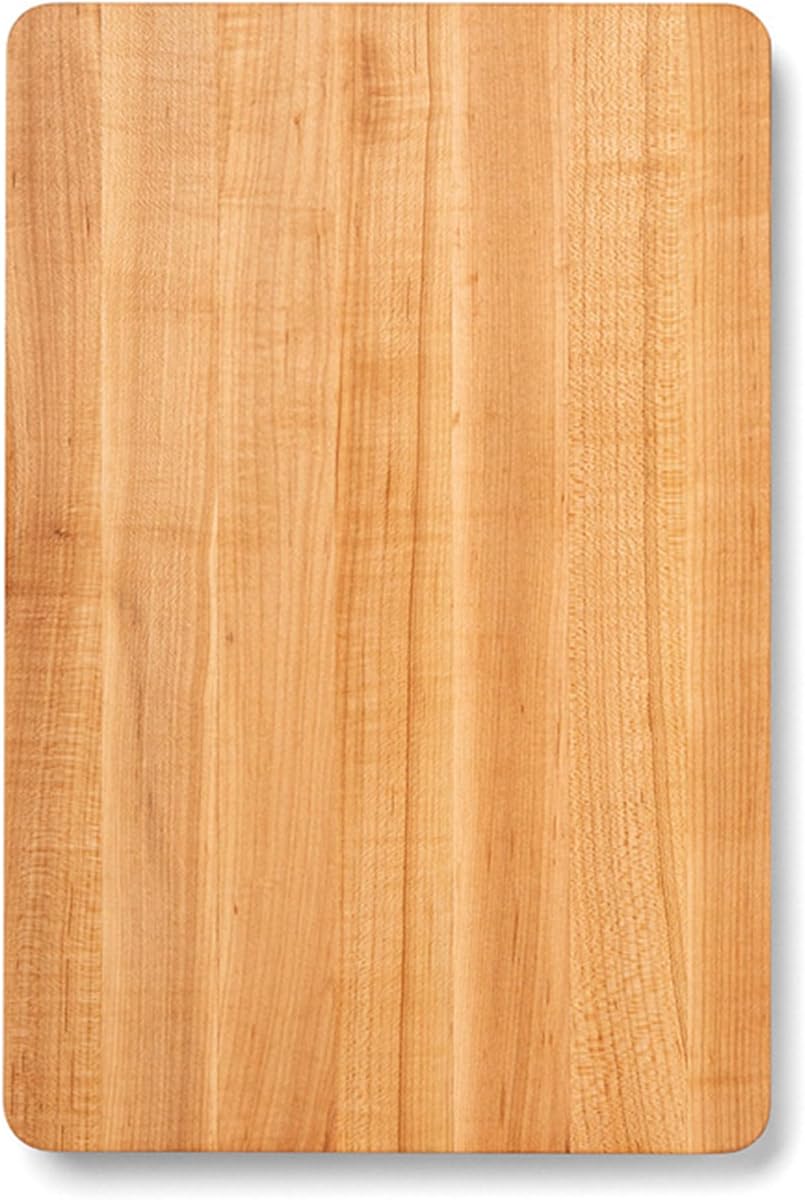
The John Boos Chop-N-Slice represents a specific tier of cutting boards: American-made edge-grain maple butcher blocks designed for heavy kitchen use. Unlike thin bamboo boards or plastic alternatives, this 4.5-pound, 1-inch-thick board offers a substantial work surface that professional chefs and serious home cooks prefer for its durability and knife-friendly properties. Understanding edge-grain construction versus end-grain is crucial when evaluating this product's value proposition.
Key Considerations Before Buying
- Edge-grain construction (like this John Boos board) provides excellent durability and knife resistance, while end-grain boards offer superior self-healing properties but at higher cost and maintenance requirements.
- At 16" x 10", this board offers substantial prep space but may be tight for larger roasts or multiple-ingredient meals—consider your typical meal complexity and kitchen counter space.
- Maple's natural antimicrobial properties and hardness make it ideal for cutting boards, but proper maintenance with mineral oil is essential to prevent drying and cracking in this 1-inch-thick construction.
What Our Analysts Recommend
Quality indicators for butcher blocks include consistent grain alignment, smooth sanded edges without sharp corners, and substantial weight indicating proper wood density. The reversible design of this John Boos board should show symmetrical edge-grain patterns on both sides, and the maple should have a uniform, closed-grain appearance without visible gaps or filler material between strips.
Cutting Boards Market Context
Market Overview
The premium cutting board market has polarized between mass-produced imported boards and artisan American-made butcher blocks like this John Boos series. Edge-grain boards occupy a middle ground between affordable face-grain boards and premium end-grain blocks, offering professional performance at more accessible price points. The 'Made in USA' designation carries particular weight in this category, often correlating with stricter wood sourcing and manufacturing standards.
Common Issues
Thinner cutting boards warp under moisture changes, while improperly maintained wood blocks develop cracks or harbor bacteria in seams. Many consumers underestimate the maintenance requirements of solid wood boards, leading to premature deterioration. Reversible boards sometimes develop uneven wear patterns if not rotated regularly during use.
Quality Indicators
Premium butcher blocks exhibit tight seams between wood strips, consistent thickness throughout (especially important for this 1-inch specification), and smooth, rounded edges that won't damage countertops. The wood should be food-safe without chemical treatments, and the board should sit completely flat without rocking—a critical test for any reversible design.
Review Authenticity Insights
Grade B Interpretation
A Grade B authenticity rating with 11% estimated fake reviews suggests this product's feedback is predominantly genuine but requires careful reading. The 0.21-point drop from the displayed 4.11 to adjusted 3.90 rating indicates some review manipulation, though the majority of experiences appear authentic.
Trust Recommendation
Focus on reviews that discuss long-term ownership experiences, maintenance routines, and specific performance details like knife marking or stability during chopping. Be particularly skeptical of reviews that don't mention the board's substantial weight (4.5 pounds) or edge-grain characteristics—these are hallmarks of actual use.
Tips for Reading Reviews
Look for reviews that mention seasoning the board with mineral oil, discuss both sides' usability, or compare it to other wood types. Authentic reviews often include photos showing patina development or discuss how the board's size (16x10 inches) works in their specific kitchen setup.
Expert Perspective
The John Boos Chop-N-Slice represents a solid investment for cooks who value American craftsmanship and professional-grade tools. Its edge-grain maple construction offers excellent durability for daily use, though it requires more maintenance than synthetic boards. The 3.90 adjusted rating from verified purchasers suggests most users are satisfied, particularly those who understand proper wood board care. The reversible design effectively doubles the usable surface area, extending the board's lifespan significantly.
Purchase Considerations
This board makes most sense for cooks who regularly prepare multi-ingredient meals and appreciate tools that improve with proper care. Consider your willingness to maintain a wood board with regular oiling versus opting for lower-maintenance materials. The substantial weight provides stability during chopping but makes it less convenient for frequent washing at the sink.
Comparing Alternatives
Shoppers should compare this edge-grain board against John Boos' own end-grain offerings and similar American-made brands like Michigan Maple and Proteak to understand the full premium market spectrum.


