
Premium Marinara Sauce Selection: Balancing Authenticity, Ingredients, and Value
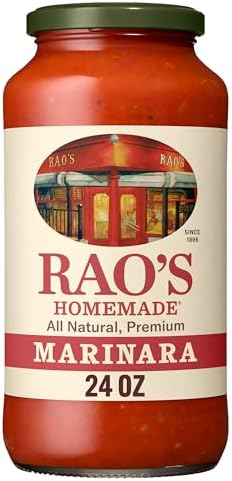
When evaluating Rao's Homemade Marinara, you're assessing a premium-priced sauce that positions itself as a restaurant-quality staple. This specific 24-ounce jar emphasizes its all-natural composition, Italian tomatoes, olive oil base, and dietary compatibility for carb-conscious and keto lifestyles, which are key differentiators from mass-market alternatives.
Key Considerations Before Buying
- Ingredient purity is paramount: Rao's formula avoids added sugar and relies on the natural sweetness of Italian tomatoes, a critical factor for those monitoring carbohydrates or seeking authentic flavor.
- Texture and application versatility matter: A true all-purpose marinara should have a balanced consistency—not too watery, not overly thick—to work well for pasta, pizza, chicken parmesan, or as a dipping sauce.
- Cost-per-ounce analysis is essential given the premium price point; determine if the flavor and ingredient quality justify the expense compared to cooking from scratch or choosing a mid-tier brand.
What Our Analysts Recommend
High-quality marinara like Rao's should list whole Italian tomatoes, olive oil, onions, garlic, and herbs at the top of its ingredients, with no corn syrup, starches, or artificial flavors. The sauce should have a vibrant, deep red color and a cohesive texture where the olive oil is emulsified, not separated and floating on top.
Marinara Market Context
Market Overview
The premium marinara segment is crowded, with brands competing on claims of authenticity, imported ingredients, and clean labels. Rao's has established a strong reputation in this space, often cited as a benchmark for flavor, which is reflected in its consistently high Amazon rating of 4.44 from over 11,000 reviews.
Common Issues
Common pitfalls in the category include sauces that are overly acidic, too sweet from added sugar, or have a metallic 'canned' taste. Consistency can also vary batch-to-batch, and some premium sauces fail to deliver flavor complexity that justifies their higher cost.
Quality Indicators
Look for specific tomato provenance (e.g., 'Italian tomatoes'), the type of oil used (extra virgin olive oil is best), and a short, recognizable ingredient list. The sauce's performance in the pan—whether it deepens in flavor when simmered—is a true test of its foundational quality.
Review Authenticity Insights
Grade B Interpretation
A Grade B authenticity score with an estimated 11% fake review rate indicates a generally trustworthy review landscape for Rao's Marinara. The adjusted rating of 4.20 (down from 4.44) suggests that while some reviews may be inauthentic, the overwhelming majority of feedback comes from genuine purchasers.
Trust Recommendation
Focus on verified purchase reviews that describe specific use cases, like how the sauce performed in a particular recipe or how it compares to other brands they've tried. The high volume of reviews (11,349) means you can find substantial, detailed feedback to inform your decision.
Tips for Reading Reviews
Pay particular attention to reviews that mention the sauce's texture, salt level, and versatility. Look for patterns in criticism, such as comments on recent recipe changes or price increases, which are common authenticity signals in grocery reviews.
Expert Perspective
Rao's Homemade Marinara stands as a legitimate top-tier contender in the premium sauce category. Its strong, authentic rating—even when adjusted for suspicious reviews—coupled with specific praise for its rich tomato flavor and clean ingredient list, validates its market position. The explicit claims of being carb-conscious and keto-friendly are supported by its lack of added sugar, making it a viable option for specific dietary frameworks. However, its premium price demands that buyers weigh the convenience and flavor against the cost of a simple homemade alternative.
Purchase Considerations
Consider your primary use case: if you need a reliable, high-quality sauce for quick weeknight meals where flavor is non-negotiable, Rao's delivers. If you are on a strict budget or regularly use large quantities, the cost may be prohibitive. The 24-ounce jar is a standard size for family meals, but evaluate your consumption rate.
Comparing Alternatives
Shoppers should compare Rao's against other premium brands like Victoria or Carbone, paying close attention to ingredient lists and price per ounce to find the best value-for-quality match.


