
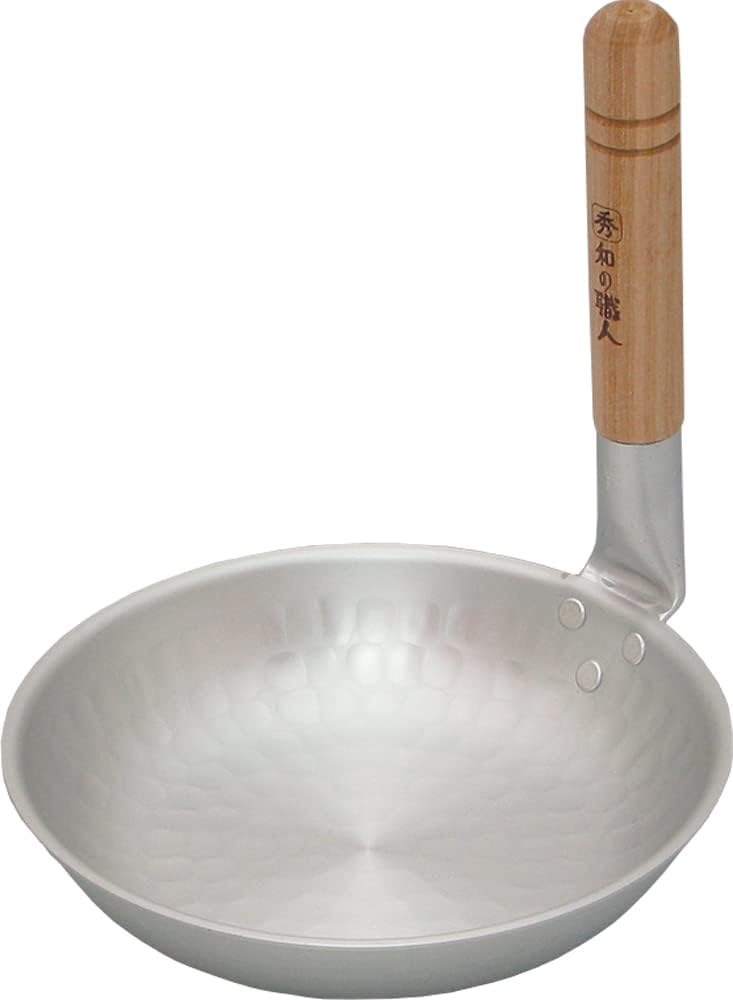
Evaluating a Japanese Parent-Child Pot: Size, Craftsmanship, and Authenticity
The Taniguchi Metal Parent-Child Pot represents a specific niche in cookware: a 6.7-inch Japanese stockpot designed for smaller, precise cooking tasks. As a 'parent-child' pot, it's likely intended for simmering delicate broths, making small portions of sauce, or as a companion to a larger pot, which is a common concept in Japanese kitchens. Buyers should focus on its intended use case rather than as a primary large-capacity stockpot.
Key Considerations Before Buying
- The 6.7-inch (17 cm) diameter is quite small for a stockpot; assess if this capacity suits your needs for tasks like making single-serving soups, reheating small amounts of liquid, or melting butter without using a larger pan.
- 'Made in Japan' for metal cookware often implies specific manufacturing standards and materials, potentially using high-quality aluminum or stainless steel with excellent heat distribution, but you must verify the exact material composition.
- The 'Parent-Child' designation suggests it's part of a set or designed for nested storage; check product dimensions to ensure it fits with your existing cookware for storage and if it includes a matching lid.
What Our Analysts Recommend
For a Japanese-made pot of this size, examine product images closely for signs of craftsmanship like rolled edges on the rim (for durability and safety), a thick, flat base for stable heating, and the quality of any handles or knobs. The finish should be even, and the pot should be described as suitable for your heat source (induction, gas, etc.).
Stockpots Market Context
Market Overview
The stockpot market is saturated with large, multi-quart options, making a specialized 6.7-inch Japanese pot a distinct offering. Consumers seeking smaller, high-quality pots for precise tasks represent a niche but growing segment, often valuing material integrity and design over sheer volume.
Common Issues
With small stockpots, common problems include poor heat distribution leading to hot spots, flimsy construction that dents easily, and handles that become uncomfortably hot or are poorly attached. Lids may not fit snugly, causing excessive evaporation during simmering.
Quality Indicators
Quality in a small Japanese pot is indicated by material disclosure (e.g., type of aluminum or stainless steel), weight (a heftier pot often means better heat retention), and design details like riveted vs. welded handles. A fully clad or thick disc bottom is a premium feature even in small pots.
Review Authenticity Insights
Grade B Interpretation
An 'U' (Unrated) authenticity grade and 0.00% estimated fake review rate stem from having zero reviews. This means there is no review data to analyze for manipulation, not that the product itself is inherently suspicious or authentic. It's a complete information vacuum.
Trust Recommendation
With no review history, you must rely entirely on the manufacturer's reputation, product specifications, and images. For a Japanese-made product, research the Taniguchi Metal brand independently to understand their manufacturing heritage and typical quality. Scrutinize the seller's return policy closely.
Tips for Reading Reviews
Since there are no current reviews, set up an alert for new reviews. When they appear, look for specifics about heat performance, ease of cleaning, and durability over time. Be wary of reviews that only praise 'Japanese quality' generically without detailing actual use.
Expert Perspective
This product presents a unique proposition: a very small, Japanese-crafted stockpot entering a market with no established customer feedback. The 'Made in Japan' claim is a significant potential quality marker, but the complete lack of reviews (0.00 rating) makes it a higher-risk purchase. Its value hinges on the verifiable material quality and whether its specific 6.7-inch size fills a gap in your kitchen toolkit that larger pots cannot.
Purchase Considerations
Weigh the premium often associated with Japanese craftsmanship against the inability to gauge real-world performance from peers. Consider if your cooking style frequently requires a small, dedicated simmering vessel, or if a standard 2-quart saucepan would be more versatile. The decision should be driven by a specific need this pot's size and origin claim to fulfill.
Comparing Alternatives
Shoppers should compare this pot's specifications—especially material, weight, and price—against other small-capacity saucepans and stockpots from reputable brands, both Japanese and Western.


