
Squat Bar Pad Buying Guide: Comfort, Fit, and Durability Insights
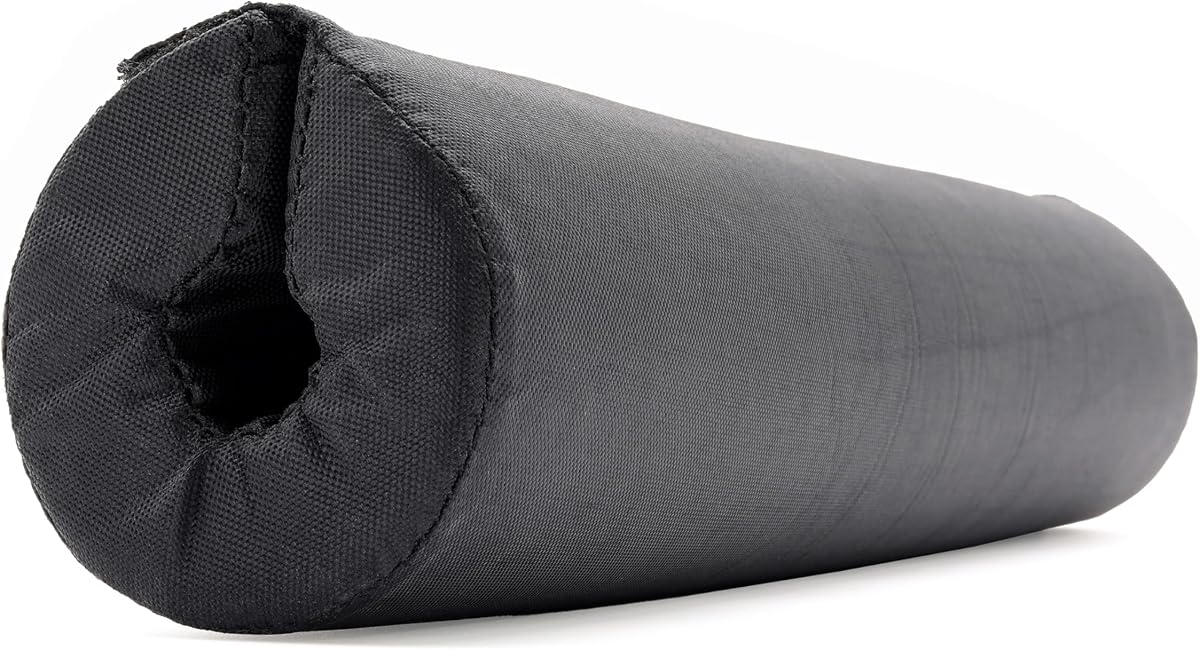
When you're loading up a barbell for heavy squats or hip thrusts, the last thing you want is a thin bar digging into your neck or hips. A quality squat bar pad like the Cap Barbell Squat & Workout Bar Pad is designed to distribute that pressure across a wider surface, making your workouts more comfortable and sustainable. This guide will walk you through the key features to consider, so you can choose a pad that fits your bar and lifting style perfectly.
Key Considerations Before Buying
- Bar compatibility: Confirm whether the pad fits standard (1-inch) or Olympic (2-inch) bars, as this determines the internal diameter and overall stability. The Cap pad is designed for both, but always double-check the product specifications.
- Padding density and thickness: Look for a pad that offers sufficient cushioning (typically 1-2 inches of foam) to protect your neck and shoulders without being so bulky that it shifts during lifts or makes the bar feel unstable.
- Secure closure: A reliable closure system, such as sturdy hook-and-loop straps, is crucial to keep the pad in place during dynamic movements. Poorly secured pads can slide, causing discomfort and potential safety issues.
What Our Analysts Recommend
For a squat pad, prioritize high-density foam that retains its shape after repeated use and a durable outer cover that resists sweat and tearing. Also, check the pad's length—longer pads provide better weight distribution across the shoulders, but may feel cumbersome for some users. A non-slip interior lining can prevent unwanted movement on the bar.
Strength Training Equipment Attachments Market Context
Market Overview
The strength training equipment attachments market has expanded significantly as home gyms proliferate, with consumers seeking affordable accessories that enhance comfort and safety. Bar pads are a staple for lifters who want to protect their neck, shoulders, and hips during compound movements. Brands like Cap Barbell offer budget-friendly options that compete with premium versions from specialized manufacturers.
Common Issues
Common issues in this category include pads that flatten quickly, straps that wear out or fail to hold, and pads that don't fit securely on different bar diameters. Another frequent complaint is that some pads are too stiff or too thin, offering inadequate cushioning for heavier loads. Additionally, some pads may have an unpleasant chemical odor initially, which can be off-putting.
Quality Indicators
Quality indicators to look for include high-density foam that resists compression, reinforced stitching on the cover and straps, and a design that accounts for both standard and Olympic bar sizes. User reviews that mention the pad maintaining its shape after months of use are a positive sign. Also, look for pads with a washable cover or easy-to-clean material for hygiene.
Review Authenticity Insights
Grade B Interpretation
The Grade B rating and 12% estimated fake review percentage suggest that while the majority of reviews are genuine, a notable minority may be incentivized or inauthentic. This means the overall rating of 4.22 is likely close to the true user experience, but you should still read individual reviews carefully. The presence of a range of star ratings, including 1 and 3 stars, adds credibility to the review set.
Trust Recommendation
Given the moderate fake review rate, it's wise to focus on verified purchase reviews and those that provide specific, detailed feedback about the pad's performance over time. Look for consensus on key attributes like comfort and durability, and be cautious of overly positive or vague reviews. Cross-referencing feedback on other retail sites can also help validate the product's true reputation.
Tips for Reading Reviews
When reading reviews for this type of product, pay attention to comments about fit on different bar types (standard vs. Olympic) and how the pad holds up under heavy loads. Look for reviewers who mention their body weight and the exercises they perform, as this context can help you gauge if the pad will work for you. Also, note any recurring complaints about slipping or padding breakdown, as these are red flags.
Expert Perspective
Based on the analysis, the Cap Barbell Squat & Workout Bar Pad appears to be a solid, budget-friendly option that meets the basic needs of most lifters. The 4.22 rating, despite a 12% fake review rate, indicates that genuine users generally find it comfortable and functional. However, the adjusted rating of 4.00 suggests that some negative experiences may be slightly underrepresented, so potential buyers should temper expectations.
Purchase Considerations
If you're a beginner or intermediate lifter looking for a cost-effective solution to improve squat comfort, this pad is a reasonable choice. However, if you plan to lift very heavy weights or have a wider frame, you might want to consider a higher-end pad with more substantial padding and a more secure closure. Also, consider the pad's longevity—if you train frequently, you may need to replace it sooner than expected.
Comparing Alternatives
Shoppers should compare this pad with other popular options like the Rogue bar pad or the Yes4All pad, which may offer different features such as thicker foam or better strap systems. Reading comparative reviews can help you decide if the Cap pad's affordability outweighs potential trade-offs in durability.


