
Choosing a Transport Wheelchair: Balancing Lightweight Design with Attendant Control
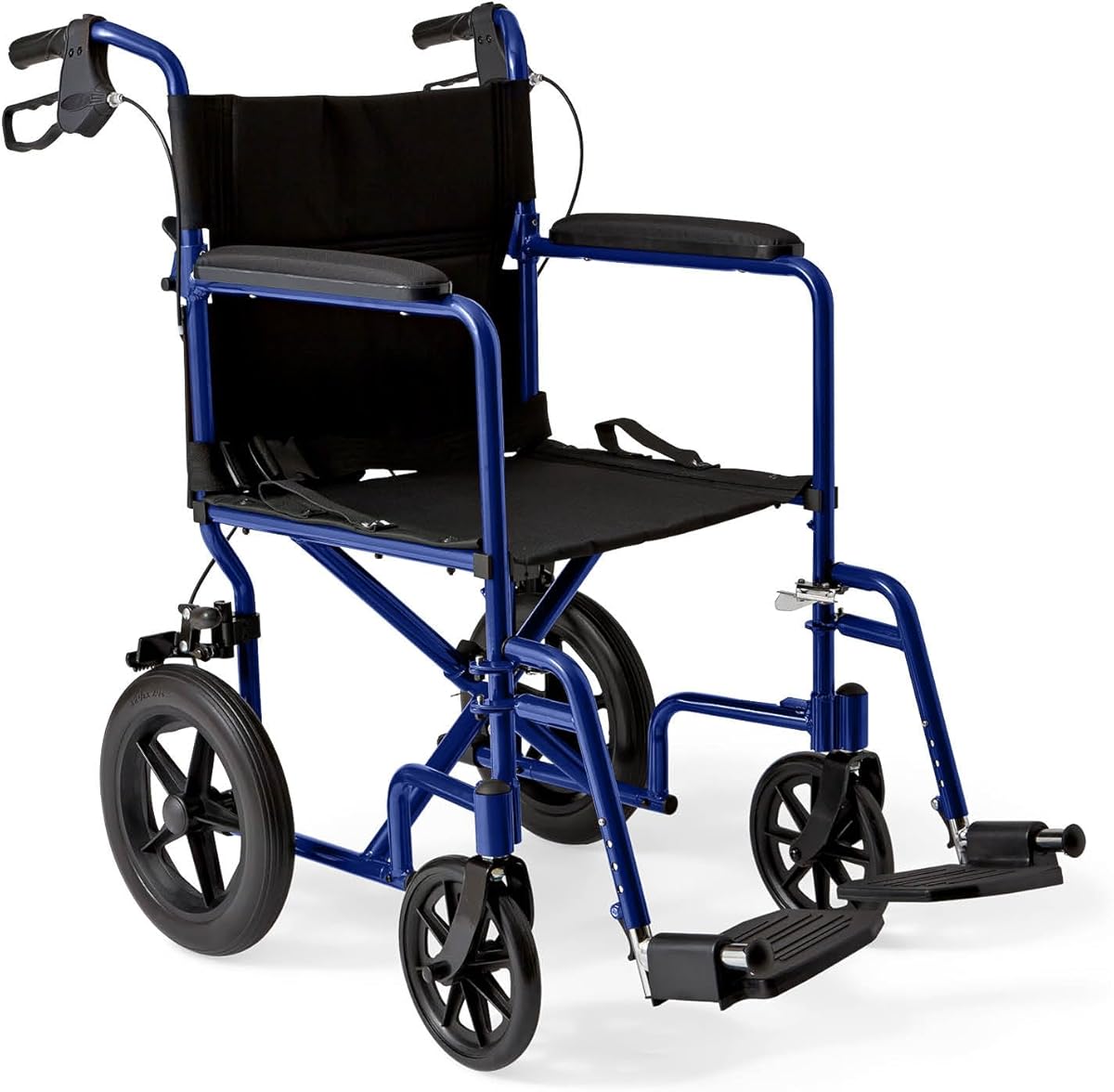
The Medline Lightweight Foldable Transport Wheelchair represents a specific category of mobility aid designed primarily for assisted transport rather than self-propulsion. Unlike standard wheelchairs, this model's 12-inch wheels and attendant-focused handbrakes indicate its intended use for caregivers navigating smooth indoor surfaces or short outdoor trips where the user won't be self-propelling.
Key Considerations Before Buying
- The 12-inch wheels on this Medline model excel on smooth indoor surfaces but struggle with outdoor terrain like gravel or grass, making them ideal for doctor's offices, airports, or shopping centers rather than park outings.
- Handbrakes on transport chairs serve dual purposes: controlling descent on inclines and securing the chair during transfers, but require an attentive caregiver since the seated user cannot operate them independently.
- The foldable design and lightweight frame (typically 20-25 pounds for this category) prioritize vehicle transport and storage, but may sacrifice some durability compared to rigid-frame transport chairs.
What Our Analysts Recommend
For transport wheelchairs, examine the locking mechanism on folding frames—pinch points and secure locks prevent accidental collapse. Check that handbrake cables are properly routed and protected from wear, and verify that footrests swing away or detach completely for safer transfers. On this Medline model, the blue powder-coated frame should show even coverage without thin spots that could rust.
Attendant & Transport Wheelchairs Market Context
Market Overview
The attendant transport wheelchair market has expanded significantly with aging demographics, creating products ranging from ultra-basic models to feature-rich chairs with suspension and all-terrain wheels. Medline occupies the mid-range segment, balancing affordability with healthcare-grade construction recognizable to institutional buyers.
Common Issues
Budget transport chairs often suffer from poorly adjusted brakes that drag or fail to hold, plastic footrests that crack under weight, and folding mechanisms that become loose or difficult to operate over time. Padding compression in seat upholstery can also create discomfort during extended use.
Quality Indicators
Look for reinforced stress points where the frame folds and where footrests attach, as these areas experience the most mechanical strain. Quality transport chairs use sealed bearing hubs rather than bushings on wheel axles, and feature brake handles with metal internal components rather than all-plastic assemblies.
Review Authenticity Insights
Grade B Interpretation
A Grade B authenticity rating with 11% estimated fake reviews suggests this Medline wheelchair has overwhelmingly genuine feedback, though shoppers should remain slightly cautious of outlier reviews. The adjusted 4.70/5 rating (down from perfect 5.00) reflects this filtering and represents a more reliable benchmark.
Trust Recommendation
Focus on reviews mentioning specific use cases like 'airport travel' or 'doctor visits' rather than generic praise, as genuine users detail actual transport scenarios. Given the high authentic review volume (over 11,000 verified), the consensus on folding ease and weight is particularly trustworthy.
Tips for Reading Reviews
For transport chairs, prioritize reviews discussing long-term durability (6+ months), caregiver experiences with brake performance on slopes, and specific details about frame rigidity when folded. Be skeptical of reviews that don't mention the user's mobility level or the surfaces where the chair was used.
Expert Perspective
The Medline Lightweight Transport Wheelchair's exceptional review volume and strong authenticity metrics indicate it reliably meets expectations for basic transport needs. Its design prioritizes caregiver convenience through folding mechanisms and attendant brakes rather than user independence, making it appropriate for specific mobility scenarios. The consistent praise for its lightweight handling suggests Medline has optimized the aluminum alloy frame effectively for this price segment, though the 12-inch wheel limitation defines its appropriate use environment.
Purchase Considerations
Consider this wheelchair if your primary needs involve smooth-surface transport with caregiver assistance, vehicle transport requiring frequent folding, and budget-conscious purchasing. Look elsewhere if the user requires self-propulsion capability, encounters uneven terrain regularly, or needs adjustable seating positions for pressure relief.
Comparing Alternatives
Shoppers should compare this Medline model with similar transport chairs from Drive Medical and Nova, particularly examining wheel size variations and brake placement differences.


