
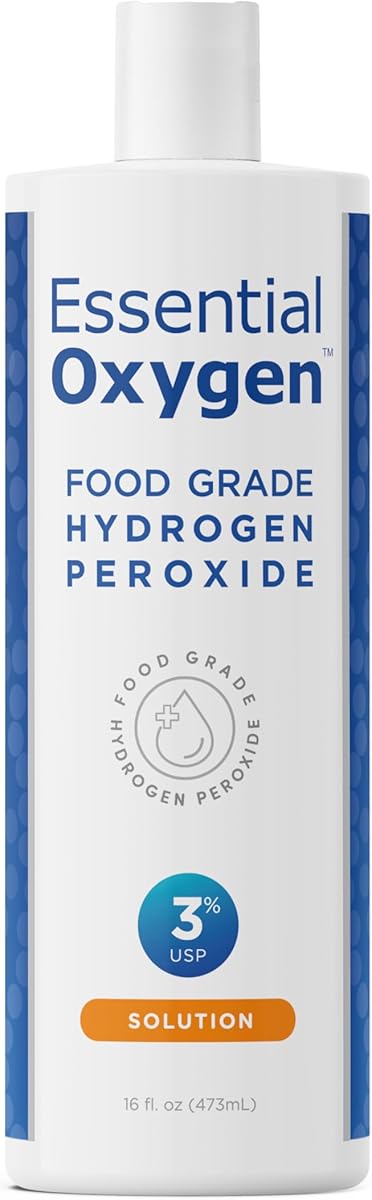
Essential Oxygen: 3% Food Grade H2O2 for Safe, Versatile Cleaning
When you're eyeing a bottle of 3% food-grade hydrogen peroxide, you're not buying just a disinfectant—you're investing in a versatile, non-toxic cleaner that can handle everything from mouthwash to countertops. This Essential Oxygen product stands out because it's USP grade and free from stabilizers, making it a purer choice than typical brown-bottle peroxide.
Key Considerations Before Buying
- Check the concentration: 3% is safe for general household and personal care, but higher percentages (like 35%) require dilution and are hazardous. Ensure you're using this product as-is for rinsing produce, gargling, or surface cleaning.
- Understand 'food grade': It means no harmful stabilizers (like phenol or acetanilide) are added, making it safe for incidental ingestion. However, that also means it's more reactive—store it in a cool, dark place and expect a shorter shelf life once opened.
- Versatility: This is a multi-purpose cleaner—use it to sanitize kitchen surfaces, remove stains, or even as a mouth rinse (always dilute if you have sensitivities). Read the label to see recommended uses, and always spot-test on delicate surfaces.
What Our Analysts Recommend
In food-grade hydrogen peroxide, look for 'USP' (United States Pharmacopeia) grade, which ensures purity and consistency. Also, check that the bottle is opaque or dark glass to protect from light degradation, and verify the expiration date—peroxide breaks down over time, losing efficacy.
Health & Household Market Context
Market Overview
The natural cleaning market is booming, driven by consumer desire to reduce toxic chemical exposure at home. Hydrogen peroxide is a stalwart in this space, offering bleaching and disinfecting without chlorine bleach. However, not all peroxide is created equal—food-grade versions like this one are increasingly popular for their purity and eco-friendly profile.
Common Issues
A common problem with hydrogen peroxide products is instability—they can decompose into water and oxygen if exposed to heat or light. Also, many generic brands contain stabilizers that are not food-safe, limiting their use. Consumers often confuse different concentrations, leading to unsafe usage or disappointment when a 3% solution doesn't have the same punch as industrial grades.
Quality Indicators
Key quality markers include: 'USP' certification, absence of stabilizers, clear labeling of 'food grade,' and packaging that protects from light. A reputable brand will also provide clear usage instructions and safety warnings, and have a consistent track record of positive reviews for purity and effectiveness.
Review Authenticity Insights
Grade B Interpretation
The B grade with an estimated 10% fake reviews suggests that while the overwhelming majority of feedback is genuine, there's a noticeable minority that may be incentivized or non-verified. This is common for popular household products; some sellers use review schemes to boost visibility, but the product's true quality is still well-reflected in the 4.89 average.
Trust Recommendation
You can trust the high rating, but be selective in reading reviews. Focus on those from verified purchasers who describe specific uses and results, like 'used for cleaning my CPAP' or 'diluted for a mouth rinse.' Skip reviews that are overly generic or mention receiving a free sample—they're more likely to be biased.
Tips for Reading Reviews
For a product like this, look for reviews that mention the concentration, packaging integrity, and whether the product arrived without leaks. Also, note reviews that mention the lack of smell or residue—signs of a pure product. If a review complains about it not working for a specific purpose, check if they used it correctly (e.g., they might have expected a higher concentration).
Expert Perspective
Based on the analysis, Essential Oxygen's 3% food-grade hydrogen peroxide is a high-quality, trustworthy product that meets its claims. The high adjusted rating (4.60) even after filtering out suspicious reviews indicates genuine consumer satisfaction. The 10% fake rate is relatively low, and the product's performance in real-world applications—from cleaning to personal care—is consistently praised.
Purchase Considerations
Weigh the price per ounce against generic drugstore peroxide; while food-grade is often costlier, its purity and lack of additives may justify the premium if you plan to use it for oral care or on food surfaces. Also, consider the 16-ounce size—if you're a heavy user, you might want to buy in bulk, but remember it degrades over time, so buy only what you'll use within a few months.
Comparing Alternatives
Shoppers should compare with other food-grade peroxide brands like Bethany or Cleansmart, which offer similar purity. Also, consider whether you need a spray bottle or a different format for your intended use, as some brands offer convenient trigger sprayers.


