
Larch Arabinogalactan Powder: What to Know Before You Buy
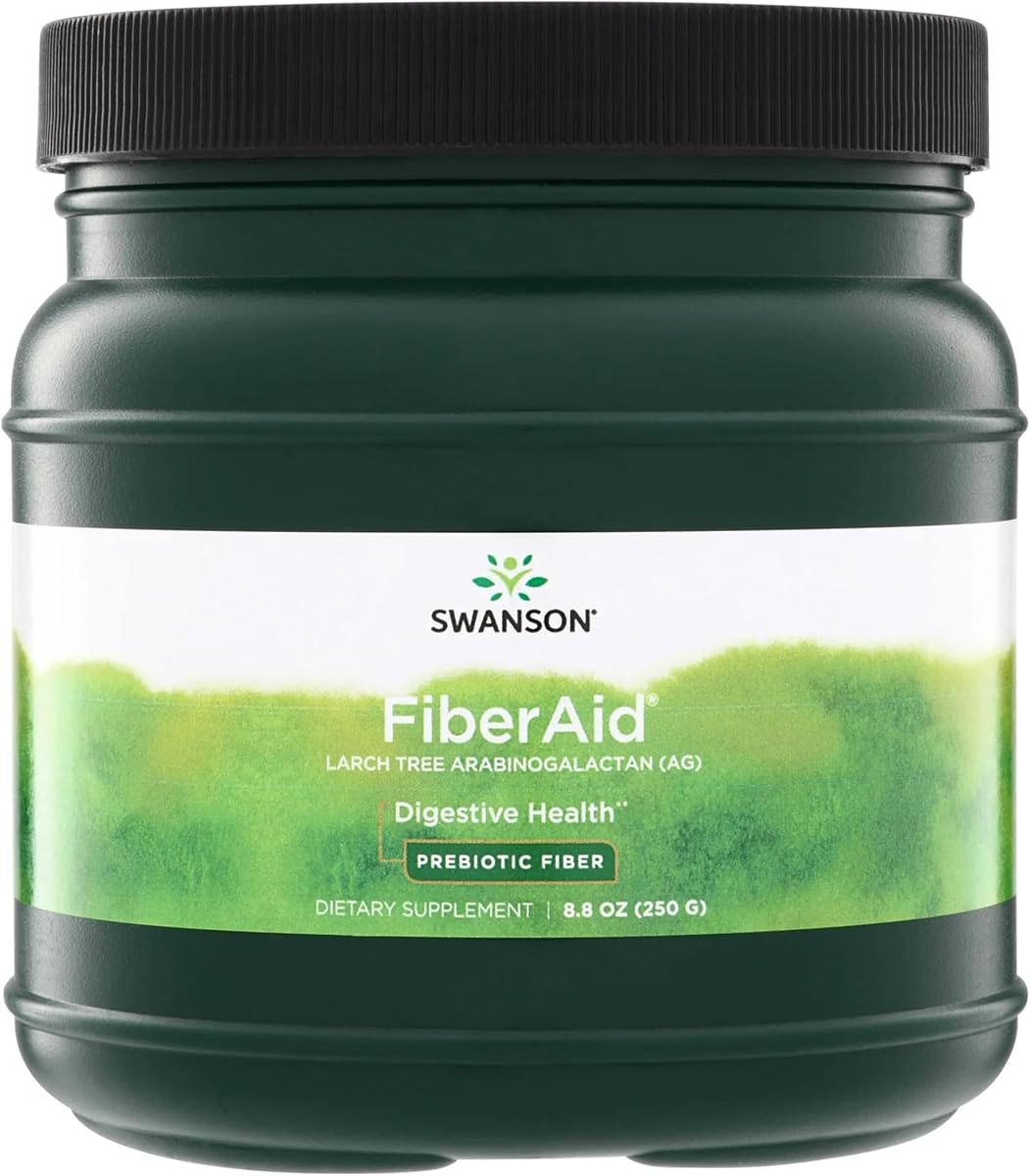
Swanson FiberAid delivers larch tree arabinogalactan (AG), a prebiotic fiber that feeds beneficial gut bacteria rather than simply adding bulk. Unlike psyllium or inulin, AG powder dissolves clear with minimal texture, making it easy to mix into beverages or soft foods. This 8.8oz tub provides a bulk supply for daily gut-health support.
Key Considerations Before Buying
- AG is a prebiotic, not a laxative fiber, so it works by nourishing gut flora over weeks rather than producing immediate bowel movements. Expect gradual digestive support with consistent daily use.
- Powder form offers dosing flexibility but requires mixing; AG dissolves better in warm or room-temperature liquids than cold ones, and it has a mildly sweet taste that most users find neutral.
- Start with a smaller serving than the label suggests to assess tolerance, since increasing fiber intake too quickly can cause temporary bloating or gas as your microbiome adjusts.
What Our Analysts Recommend
Check that the product specifies larch arabinogalactan as the sole or primary ingredient with no added sweeteners, flavors, or fillers that dilute the fiber content. A reputable brand will state the AG source (western larch) and provide a clear serving size in grams so you can compare cost per gram of actual fiber across products.
Dietary Fibers Market Context
Market Overview
The dietary fiber supplement market has shifted toward prebiotic fibers as consumers connect gut health to immunity, mood, and digestion. Arabinogalactan remains a niche but growing option, prized for being low-FODMAP and gentler than many fermentable fibers. Most AG powder sold in the U.S. comes from a small number of larch extract suppliers, so brand differences often come down to purity and packaging rather than raw material.
Common Issues
A frequent complaint with fiber powders is clumping or poor mixability, which leads to inconsistent dosing and wasted product. Some users also expect fiber supplements to act as laxatives and are disappointed when prebiotic fibers do not produce immediate results. Label transparency is another concern, as some products hide fiber content behind proprietary blends.
Quality Indicators
Look for a clear ingredient statement listing only larch arabinogalactan, ideally with a stated purity percentage or extraction method. Third-party testing for heavy metals and microbial safety matters for any botanical extract. Packaging that protects against moisture, such as a tightly sealed tub with a desiccant, helps maintain powder quality over time.
Review Authenticity Insights
Grade A Interpretation
An A authenticity grade with an estimated 5% fake review rate means the 4.89-star average is highly trustworthy for this Swanson product. The adjusted rating of 4.80/5 barely moves, indicating that even if a few questionable reviews were removed, the overall sentiment would remain strongly positive. This is a meaningful signal in a category where exaggerated health claims can attract manipulated reviews.
Trust Recommendation
You can rely on the review consensus here more than on typical supplement listings, so focus on reviews that describe specific digestive outcomes and timelines. Pay attention to comments about mixability and taste, as those are practical factors that affect daily use. Given the high rating, a low-star review is more likely to reflect personal intolerance than a product defect.
Tips for Reading Reviews
For fiber supplements, prioritize reviews that mention duration of use, starting dose, and whether effects were gradual or immediate. Ignore vague five-star reviews that only say 'great product' and look for details about how the powder mixes, tastes, and affects digestion. Reviews noting changes after two to four weeks are especially useful for setting realistic expectations.
Expert Perspective
Swanson FiberAid stands out as a straightforward larch arabinogalactan powder with a strong authenticity profile and a very high customer rating. The 8.8oz size offers a practical supply for daily prebiotic support, and the A-grade review integrity suggests the positive feedback is genuine. For consumers seeking a low-FODMAP, easily mixable prebiotic fiber, this product aligns well with those needs. The main caveat is that AG is not a laxative, so those seeking immediate bowel regularity may need a different fiber type.
Purchase Considerations
Weigh the cost per gram of AG against similar single-ingredient powders, and consider whether you prefer a flavorless powder or one with added ingredients. If you have a sensitive gut, plan to titrate your dose slowly and give it at least two weeks before judging results. The large tub is economical but only worthwhile if you will use it consistently.
Comparing Alternatives
Shoppers should compare this product with other prebiotic fibers like inulin, PHGG, or acacia gum, as each has different fermentation profiles and tolerability.


