
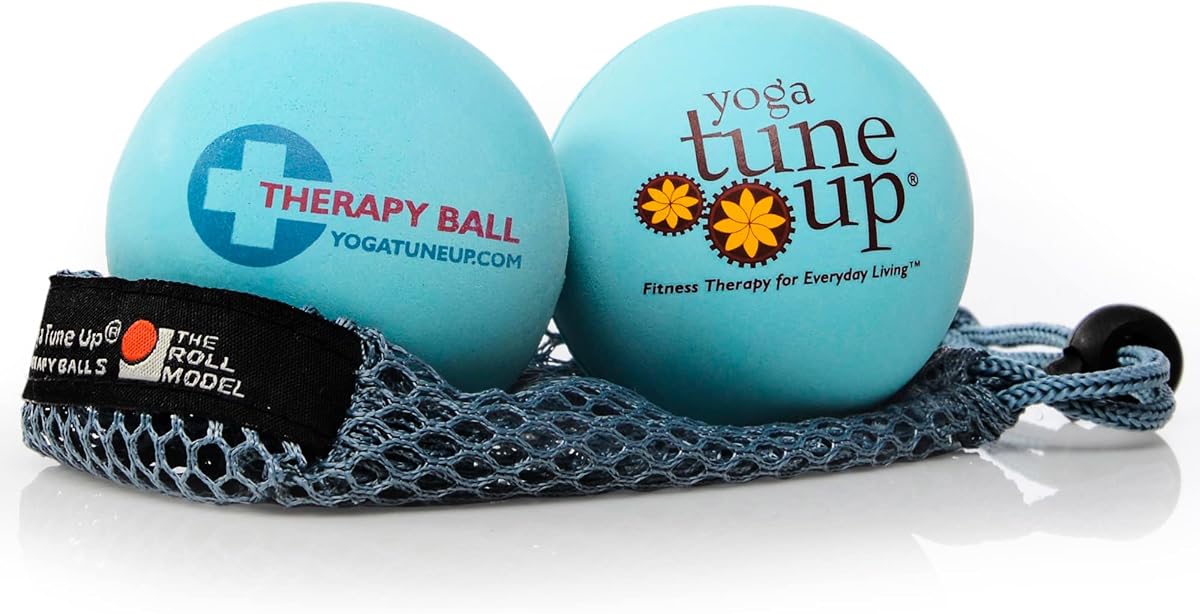
Unlock Deep Muscle Relief: Your Guide to YOGA TUNE UP Therapy Balls
When you're dealing with stubborn knots or seeking a deeper myofascial release, YOGA TUNE UP Therapy Balls offer a portable, targeted solution. This set of two firm, high-density balls can be used individually for pinpoint trigger point work or connected as a peanut shape for spinal alignment and larger muscle groups. Understanding how to leverage this dual-use design is key to maximizing its pain-relief potential.
Key Considerations Before Buying
- The dual-ball design is a core feature: using them as a single ball allows for precise pressure on a specific knot, while the peanut configuration is ideal for rolling along the spine or glutes without compressing the vertebrae. Decide which application matters most for your typical pain points.
- Firmness is critical for effective therapy: these balls are not soft foam rollers but dense, medium-firm spheres. If you are new to myofascial release or have a very low pain tolerance, start with the balls on a soft surface like a carpet or mat to moderate pressure.
- Portability matters: the included tote makes this a travel-friendly kit, but consider the size of the balls (about 3.5 inches in diameter). They are compact enough for a gym bag but larger than a lacrosse ball, so confirm they fit your intended carry case.
What Our Analysts Recommend
In a therapy ball set, look for materials that are durable, non-toxic, and free from strong odors—high-quality silicone or rubber compounds are ideal. The surface should provide enough grip to stay in place on a mat or floor without being overly tacky. Also, check that the connection mechanism (if a peanut pair) is secure and does not separate easily during use.
Market Context
Market Overview
The self-myofascial release market has expanded rapidly, with therapy balls bridging the gap between foam rollers and professional massage tools. Consumers are increasingly seeking affordable, at-home solutions for chronic tension and sports recovery, making dual-use sets like this one a popular choice. The category is crowded with options ranging from soft, squishy balls to rigid, trigger-point tools.
Common Issues
A frequent problem with lower-end therapy balls is material degradation, such as surface peeling or a chemical smell after repeated use. Another common issue is incorrect firmness—balls that are too soft fail to reach deep muscle layers, while overly hard ones can cause bruising or nerve irritation. Many users also struggle with proper technique, leading to ineffective sessions or discomfort.
Quality Indicators
High-quality therapy balls are typically made from medical-grade silicone or dense EVA foam that retains its shape under pressure. Look for products from established fitness or physical therapy brands, as they often provide instructional resources or videos. A durable, stitched tote or carry bag also signals attention to detail and longevity.
Review Authenticity Insights
Grade B Interpretation
The 'B' authenticity grade indicates that while most reviews are genuine, there is a notable minority (an estimated 10%) that may be incentivized or fake. This is not alarming for a popular product, but it means you should not treat every glowing review as gospel. The adjusted rating of 4.70/5, down from 4.90, provides a more realistic expectation of customer satisfaction.
Trust Recommendation
Given the strong verified purchase rate and consistent 5-star pattern, you can generally trust the positive consensus around this product's effectiveness. However, focus your attention on reviews that describe specific use cases—like back pain relief or pre-run warm-up—as these are more likely to be authentic. Be slightly skeptical of reviews that are overly brief or use identical language.
Tips for Reading Reviews
For therapy balls, prioritize reviews that mention the firmness level and how it compares to other tools (e.g., lacrosse balls or foam rollers). Look for comments on durability over several months of use, as quality issues often appear after the return window. Also, note if the reviewer mentions using the peanut configuration, as that indicates they fully utilized the product's design.
Expert Perspective
The YOGA TUNE UP Therapy Balls in Tote represent a well-designed, versatile tool for anyone serious about self-massage and myofascial release. The dual functionality as a single ball and peanut ball is a genuine differentiator, offering value over single-purpose products. With an adjusted rating of 4.70/5 and a strong base of verified reviews, the product clearly delivers on its core promise of pain relief and relaxation. While the 10% estimated fake review rate warrants a cautious eye, the overall sentiment aligns with what you would expect from a quality therapeutic aid.
Purchase Considerations
If you are new to myofascial release, factor in a learning curve—these balls require intentional placement and controlled pressure to be effective and safe. For experienced users, the portability and dual-use design make this a convenient addition to your recovery toolkit. Weigh the price against cheaper alternatives, but note that the included tote and brand reputation for durability often justify the investment.
Comparing Alternatives
Shoppers should compare this set with other dual-ball designs, such as the TriggerPoint Grid Vibe or Rad Roller, which offer vibration or different firmness levels. Also consider single, larger massage balls if your primary need is for deep, static pressure on large muscle groups.


