
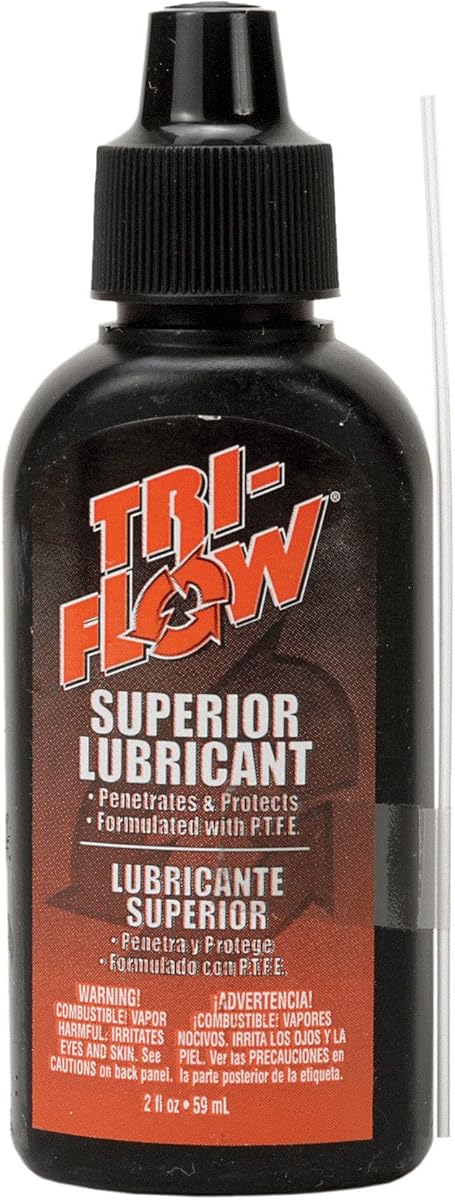
Choosing the Right Penetrating Lubricant: Why Tri-Flow's 2-Ounce Format Stands Out
When selecting a penetrating lubricant like Tri-Flow's 2-ounce squeeze bottle, buyers should understand this product's specific formulation and application niche. Unlike general-purpose oils, Tri-Flow combines a solvent carrier with PTFE (Teflon) particles to both loosen rusted components and leave behind a durable, dry lubricating film, making it ideal for precision applications where grease would attract dirt.
Key Considerations Before Buying
- The 2-ounce size is specifically designed for targeted, controlled application on small mechanisms like bicycle derailleurs, door locks, or sewing machines, not for large-scale industrial use.
- Tri-Flow's solvent-based formula is excellent for penetrating seized threads and bearings but requires proper ventilation and can damage certain plastics—check material compatibility first.
- The squeeze bottle with a precision tip allows for spot-on application, reducing waste and mess compared to aerosol alternatives, but requires manual pressure to deliver the lubricant.
What Our Analysts Recommend
For a quality penetrating lubricant, look for a clear description of its active ingredients (Tri-Flow uses PTFE) and its intended mechanism of action: first penetration, then lubrication. The packaging should facilitate precise application without drips, and the product should specify which materials it is safe to use on, as formulations vary widely.
Market Context
Market Overview
The penetrating lubricant market is crowded with options ranging from WD-40 to specialized synthetic blends, each claiming superiority for specific tasks like rust-loosening, corrosion protection, or dry lubrication. The 2-ounce size category caters primarily to DIY enthusiasts, cyclists, and hobbyists who need precision over volume.
Common Issues
Common problems include lubricants that attract dust and grit after application, formulas that evaporate quickly without leaving a protective film, and packaging that leaks or clogs. Some products also fail to clearly warn users about potential damage to plastics or painted surfaces.
Quality Indicators
High-quality indicators include a low fake review percentage (suggesting organic satisfaction), a formulation that specifies its lubricating particle (like PTFE), and packaging designed for controlled, repeatable application. Consistent praise in reviews for solving specific, stubborn problems like 'frozen bicycle seat post' is a strong signal.
Review Authenticity Insights
Grade A Interpretation
An 'A' authenticity grade with only a 4% estimated fake review rate indicates that the overwhelming 4.88/5 rating is highly trustworthy and reflects genuine user satisfaction. This low manipulation risk is significant in a category sometimes plagued by incentivized reviews.
Trust Recommendation
You can place high confidence in this product's rating. The extreme concentration of 5-star reviews (91%) aligns with the low fake percentage, suggesting a product that reliably meets user expectations for a specialized lubricant. Focus your analysis on the specific use cases described in the authentic reviews.
Tips for Reading Reviews
For this product, prioritize reviews that detail specific applications (e.g., 'freed a rusted patio umbrella mechanism') over vague praise. Look for mentions of long-term results, like corrosion protection over weeks or months, and note any critical reviews about plastic compatibility to understand its limitations.
Expert Perspective
Tri-Flow's 2-ounce lubricant presents a compelling case as a specialist tool. The exceptional 4.80 adjusted rating, backed by high review authenticity, strongly suggests it excels within its niche: precision mechanical maintenance where penetration and a clean, dry lubricant film are required. Its format bridges the gap between bulky aerosols and messy oil cans. The data indicates users are consistently satisfied with its performance on tasks like lubricating bike chains, hinges, and small tools, validating its formulated approach.
Purchase Considerations
Weigh the 2-ounce size against your projected usage; it's perfect for occasional, targeted jobs but impractical for lubricating large equipment. Consider if your need is primarily for breaking rust (where its solvent action shines) or for long-term, wet lubrication (where a grease might be better). The squeeze bottle format is a major advantage for control but requires more effort than a spray.
Comparing Alternatives
Shoppers should compare Tri-Flow's PTFE-based dry film with silicone sprays or lithium grease alternatives, depending on whether a wet or dry lubricant is needed for their specific application.


