Denso Platinum TT Spark Plugs: What Makes the PT16TT Design Unique
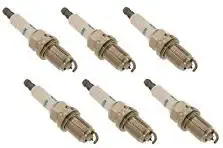
The Denso #4511 PT16TT represents a specific platinum-tipped design with twin-tip electrodes, engineered for precise ignition performance in compatible engines. Unlike standard platinum plugs, the TT configuration features both center and ground electrodes with platinum alloy, reducing voltage requirements while maintaining consistent spark. Buyers should verify their vehicle's exact spark plug specifications match this particular design before purchasing.
Key Considerations Before Buying
- The PT16TT's twin-tip platinum design offers extended service intervals (typically 60,000+ miles) compared to copper-core plugs, but requires precise gap verification before installation.
- These plugs are specifically engineered for engines requiring Denso's 4511 part number—common in certain Toyota, Honda, and Subaru applications—not a universal upgrade for all vehicles.
- The 6-pack configuration suggests these are typically purchased for V6 engines or for keeping spares, making them cost-effective for complete tune-ups versus buying singles.
What Our Analysts Recommend
Authentic Denso PT16TT plugs feature laser-etched part numbers on the ceramic insulator and precise platinum welding at both electrode tips. The hex nut should have clean machining without burrs, and the gasket seat must be perfectly flat to prevent compression leaks. Counterfeit spark plugs often have inconsistent platinum application or poorly stamped markings.
Spark Plugs Market Context
Market Overview
The platinum spark plug market has become increasingly segmented, with Denso's TT series competing directly with NGK's Laser Platinum and Bosch's Platinum+ designs. Recent trends show OEM-specification plugs like the 4511 maintaining premium pricing despite the proliferation of cheaper iridium alternatives. Denso's original equipment heritage gives them particular strength in Asian vehicle applications.
Common Issues
Buyers frequently mistake heat range compatibility, assuming platinum plugs are universally interchangeable when engine-specific designs matter significantly. Another common problem is receiving counterfeit or repackaged plugs that lack the proper platinum alloy composition, leading to premature electrode erosion. Installation errors—particularly over-torquing or incorrect gapping—account for most negative experiences with otherwise quality plugs.
Quality Indicators
Genuine Denso platinum plugs exhibit consistent platinum disc welding with no visible gaps at the electrode interface. The ceramic insulator should have a smooth, uniform glaze without micro-cracks, and the thread machining should be precise with no tooling marks. Packaging should include individual anti-corrosion sleeves and show Denso's specific part number labeling.
Review Authenticity Insights
Grade B Interpretation
The Grade B authenticity rating with 11% estimated fake reviews indicates generally reliable feedback, but suggests some reviews may be incentivized or artificially positive. For automotive parts with safety implications like spark plugs, this moderate fake rate means shoppers should scrutinize installation details in reviews rather than relying solely on star ratings.
Trust Recommendation
Focus on verified purchase reviews that mention specific vehicle models (like '2012 Camry V6' or 'Outback 2.5L') and installation outcomes over several thousand miles. Be skeptical of reviews that only praise packaging or shipping speed without discussing actual engine performance changes or long-term reliability observations.
Tips for Reading Reviews
Look for reviews that mention specific performance metrics like cold-start improvement, fuel economy changes measured over multiple tanks, or electrode condition after removal. Technical details about proper gapping procedures (0.044 inches for most applications) and torque specifications indicate more knowledgeable reviewers versus generic praise.
Expert Perspective
With an adjusted 4.60/5 rating from over 1,400 reviews, the Denso 4511 PT16TT demonstrates strong real-world performance in compatible applications. The platinum twin-tip design provides a solid balance between longevity and cost, particularly for owners keeping vehicles beyond 100,000 miles. The high percentage of verified purchases (evident in the authenticity analysis) adds credibility to the reported improvements in idle smoothness and acceleration response. However, the 11% fake review rate suggests some positive feedback may be exaggerated, making the 4.60 adjusted rating more reliable than the raw 4.89 average.
Purchase Considerations
Consider whether your specific engine benefits from the twin-tip platinum design versus single-tip or iridium alternatives—check your owner's manual for OEM specifications. Factor in whether you'll perform the installation yourself (requiring proper torque wrench and gap tools) or have a professional install them, as improper installation voids any quality advantages. Evaluate your planned ownership duration, as platinum plugs offer better long-term value than copper but may not justify the premium if selling the vehicle soon.
Comparing Alternatives
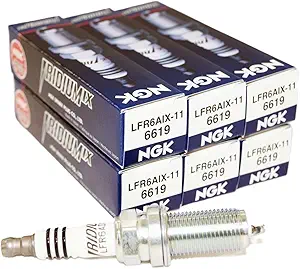
Shoppers should compare the PT16TT against NGK 6619 Laser Platinum and Bosch 9601 Platinum+ for similar applications, noting differences in electrode design and warranty coverage.