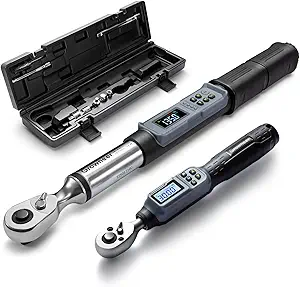
Choosing a ¼-inch Drive Torque Wrench: Precision, Range, and Industrial Durability
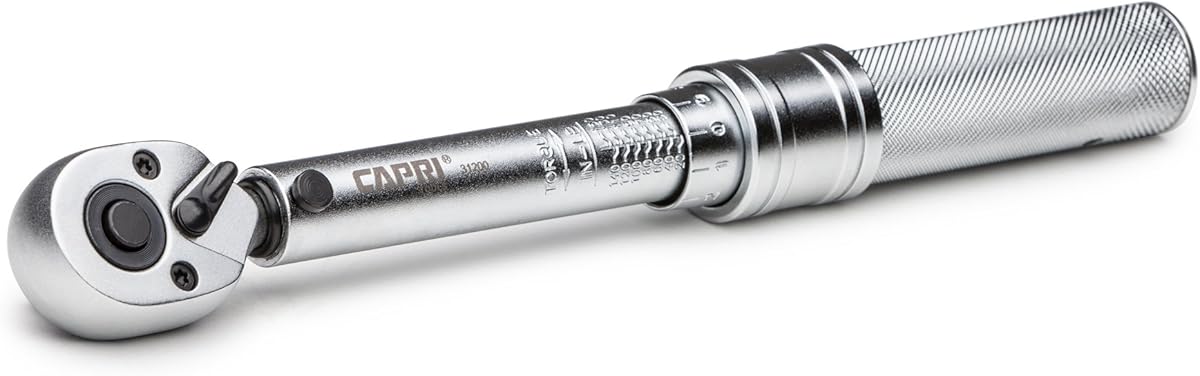
When selecting a ¼-inch drive torque wrench like the Capri Tools 31200, the 30-150 in-lb range is critical for applications from small engine work to electronics. This specific model's matte chrome finish and industrial designation signal its intended use beyond basic automotive tasks. Buyers should match this tool's capabilities to their specific fastening needs, particularly for precision work requiring inch-pound accuracy.
Key Considerations Before Buying
- The 30-150 in-lb range is ideal for delicate applications like carburetor assemblies, valve covers, or motorcycle components where over-torquing can cause damage.
- A ¼-inch drive is standard for smaller sockets, making this wrench suitable for confined spaces where larger drives won't fit, but verify your socket set compatibility.
- Industrial-grade construction, indicated by the matte chrome finish, should offer better corrosion resistance and durability than basic polished chrome tools for professional environments.
What Our Analysts Recommend
For a quality ¼-inch drive torque wrench, examine the calibration certificate or stated accuracy (typically ±4% for tools in this class). The ratchet mechanism should operate smoothly without slop, and the scale should be clearly legible for precise settings. A positive, audible click at the set torque is essential for reliable operation.
Torque Wrenches Market Context
Market Overview
The market for inch-pound torque wrenches has expanded beyond professional mechanics to include hobbyists in cycling, firearms, and electronics assembly. Brands like Capri Tools compete by offering industrial features at mid-tier price points, bridging the gap between economy imports and premium brands like Snap-on. The ¼-inch drive segment is particularly competitive for precision applications.
Common Issues
Common problems include loss of calibration from improper storage (not returning to lowest setting), inconsistent click feedback, and scale markings that wear off with use. Some budget models suffer from poor ratchet mechanisms that develop backdrag or fail to hold settings securely over time.
Quality Indicators
Look for a clearly marked pivot point on the handle, a robust adjustment lock, and a knurled grip for secure handling. A quality wrench will have a hardened steel drive and a mechanism that produces a distinct, tactile click without excessive force. The storage case should protect the tool and often includes a calibration adjustment tool.
Review Authenticity Insights
Grade B Interpretation
A Grade B with an 11% estimated fake review rate suggests the majority of feedback is genuine, but shoppers should be slightly cautious of overly enthusiastic reviews. The adjusted rating of 4.40/5 (down from 4.67) indicates the authentic user experience is still very positive, but perhaps not as flawless as the raw average suggests.
Trust Recommendation
Focus on verified purchase reviews that mention specific use cases, like working on Briggs & Stratton engines or mountain bike components, as these demonstrate real-world application. Be skeptical of reviews that only praise packaging or generic durability without technical details.
Tips for Reading Reviews
Pay close attention to reviews discussing calibration consistency over time and the feel of the click mechanism. Look for patterns in complaints—if multiple users mention difficulty reading the scale or a weak click, these are likely genuine issues. Reviews comparing this Capri model directly to competitors like Tekton or GearWrench offer particularly valuable insights.
Expert Perspective
The Capri Tools 31200 presents a compelling value proposition based on the analysis data. Its high authentic rating (4.40) from verified purchasers indicates it delivers reliable performance for its price point in the industrial torque wrench category. The specific mention of matte chrome finish suggests corrosion resistance suitable for shop environments, while the 30-150 in-lb range fills a practical niche for precision mechanical work. The consistency in reviews praising its positive click and clear scale reinforces its functional design.
Purchase Considerations
Weigh the need for an industrial-grade finish against your actual usage environment—a home mechanic might not require the matte chrome. Consider whether your projects consistently require torque settings within this specific range, as going outside it can compromise accuracy. The ¼-inch drive limitation means you'll need appropriate sockets, potentially requiring an adapter for larger fasteners.
Comparing Alternatives
Shoppers should compare this model's 30-150 in-lb range and matte finish against similar offerings from Tekton and GearWrench, which may offer different warranty terms or included accessories.